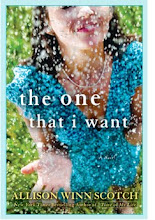
Question of the day: About how many different plot lines do you feel you can juggle before a story gets tangled? Do you think these plot lines need to be clearly related to each other?
Continuing with exploring scenes and chapter structure, I pulled this question from the comments section because it's a great place to start. The answer, for me, is that I don't know that I have a concrete number, but let's talk through it and see where we come up...
I think there is a very fine line between having too few things going on and thus boring the reader and having too much going on, such that the reader is thinking, "Seriously? This is TOO dramatic; this sort of craziness doesn't have one ounce of reality in it." I remember reading a book this summer, by an author whom I love (but shall go nameless), and there were just too many things going on. It seemed totally implausible that every character would have such complete and total drama in his or her life, and as a reader, it was a little bit exhausting. I kept thinking, "Really? Can't one thing go right for someone??" At the same time, of course, we've all read books on the flip side: without enough drama, there simply isn't enough momentum to keep us flipping the pages.
So...how much is enough without going overboard? Well, when I think about TOML (not that this is a perfect example, and just to be clear, I never want anyone to think that I'm ever saying that my writing is without flaws!), there were four or five MAIN plot lines going on. 1) the arc of her going back in time; 2) her attempts to reconcile with her old boyfriend (and forget her old husband); 3) her friend's infertility; 4) her mother's reappearance in her life; 5) her various issues at work leading to a promotion. Then there were subplots (and actually, maybe #3 above is a subplot, though it did shape a lot of Jillian's behavior): her bosses marriage, her boyfriend's novel, a few others here and there. I think, in considering my first novel, there were also a similar amount of main plot lines: work, family, health, love, friendship. For me, this is about all I can juggle.
In fact, right now, I'm about 60 pages into HAPPIEST DAYS, and I actually think I might have too much going on. I'll reassess once I've written the complete draft, but a good way for me to gauge this is that, because I keep so much of my novel in my head, I sometimes lose track of a plot...I actually forget that I need to weave it in. And if I'm dropping plots, it's likely that there is one too many in the air. (Forgive the extended juggling metaphor.)
Do all the plots have to be tied to each other? I think, in some way, yes. Even if it's tangential, but if not, you're almost telling short stories that happen to be in a novel together, right? (This is just my opinion, and I'm definitely game to hear from people who disagree.) But when you write a novel, it's important to remember that you're asking readers to follow an arc: your characters start one place and end up another. And if you're going to throw in a plot line that has nothing to do with a character's evolution (even in a remote, tangential way), what's the point for the reader? I dunno, just my opinion.
So guys, I'm curious to hear how many plots you juggle when writing...how many is too many?
Monday, January 12, 2009


Thursday, January 08, 2009
Establishing Structure
Question of the day: I'm wondering how to structure chapters. I DID start from the beginning and kept writing and writing and it's like one long stream of consciousness, sort of like Stephen King's Delores Claiborne. How do you go about structuring that first chapter and the rest to follow?
This is a great question because I think this is very much a learned skill, at least it was for me.
This is a great question because I think this is very much a learned skill, at least it was for me.
I think it is very, very common for first-time writers (and I say that with no condescension, because, as I said, I dealt with this very situation) to have more stream of consciousness writing than is necessary. In fact, exposition - too much of it - is a big reason why early manuscript go awry. Again, I speak from experience. Good fiction writing really minimizes exposition: you don't tell readers what you're trying to convey; you put your characters in situations in which they're conveying it for you. By considering this every time you write a scene, your chapters and how they unfold start to happen naturally. Let me explain.
Another rule is that I try not to have a scene address a stand-alone conflict. What I mean by this is that, even if it's a very small thing, I try to throw in two issues into one scene. This really gives the plot a sense of momentum and keeps the smoking-fast pace because there's never a down moment. For example, I wrote a scene today in Happiest Days in which my character assesses how to cope with the fact that her husband might want to move out of their small town. In mulling over the repercussions with her best friend, I worked in a quick bite about her friend's own marriage - the friend (who is separated) makes a quick comment about something that happened the previous night with her estranged husband. I don't linger over it, there's no need to, but it reminds readers as to what's going on with that plot line, moves the plot line forward, AND is pertinent to my heroine's own situation. Do you see what I mean? Keep as many things in the mix as possible, and your plot will fly by.
Another rule is that I try not to delve into a more than a paragraph or two consecutive of my character's inner-thoughts. This isn't hard and fast rule because sometimes, it's necessary to convey what she's thinking, things that simply CAN'T be conveyed via action - like when she's mulling over a memory and what it means to her - but these inner-thoughts have a way of veering into exposition territory, into telling-not-showing territory, and that's when - BAM -you lose readers because you're not offering any action.
I know that this sounds like a lot. But it does become second nature the more fiction you write.
So how does all of this lead to chapter structure? (I didn't forget your original question?) Well, for me at least, it leads to chapter structure because I'm always considering what action my characters now need to take - how can I keep the conflict going and the momentum moving forward? What's the next situation that they'd find themselves in to resolve their current conflict? It helps, sometimes, if I have sort of a running rotation of plot lines that I need to move forward. If you read TOML, you'll see that I'll address a work conflict, then a conflict with her mother, then a conflict with her boyfriend, etc, and then return to the work situation. (This doesn't happen on an exact rotation, but I never drop one ball for too long because not only will readers think, "Huh? I can't remember what happened so many pages ago!," but juggling these various plots keeps these scenes humming quickly forward.)
I know this was a lot of info, and I hope it makes sense! I think the key is to creating as much action and conflict as possible...and then your characters naturally place themselves in situations to get themselves to a different place...which, voila, is your next chapter.
Does this make sense to anyone??? Or have I confused you even further? I'm sure that others out there map out their chapters in a much more exacting way - care to share?
Tuesday, January 06, 2009
New Toys!
Sorry the blog is late going up today...I got a new computer last night and have spent the better part of the evening and the morning getting adjusted. I made the switch from PC to Mac, on the recommendation of so many writer friends, and so far, there are some kinks to work out, but mostly, it's not such a big leap.
But it did get me thinking...as writers, our computers are really our lifelines. Almost literally. I mean, I spend probably 6 hours a day sitting in front of mine, and I have an entire community of friends and places that I pass those hours with. Writing can be a lonely existence but it doesn't have to be thanks to the internet.
So anyway, I started thinking about what tools and software I can't live without, since I am so tied to this beast. Obviously, Microsoft Word - goes without saying. Ditto my email, since I'm much likelier to email someone these days than actually pick up the phone and chat. (In fact, even though I have an office line, it almost never rings.) Beyond that, I love my Sony digital recorder, which I use for my phone interviews, and I will never be able to live without Napster. As some folks mentioned yesterday, I really try to delve into the heads of my characters...I start to think like them...and music is a BIG way that I do this. I absolutely adore Napster to Go, which gives me the ability to test-drive any and all songs that strike my fancy. (In fact, I didn't realize that I wouldn't be able to use Napster - or upload my Sony files - on a Mac, so I'm installing Parallels, which mimics the Windows application, precisely to have access to these applications. That's how much I love them.)
Other than that? Well, those are probably my can't-live-withouts on a day-to-day basis. But I'm sure that I'm missing out on some really awesome programs or applications...so I'd love to hear what yours are to maybe make my day pass a little quicker! (And to have more ways to procrastinate.) :) Any super-fun or handy app suggestions?
Monday, January 05, 2009
Bringing Your Characters to Life
Question of the day: Though I've taken classes with several authors in the past, I'm still learning the finer points of fiction and have a big gap in my knowledge when it comes to creating full, robust characters. How did you go about setting up your characters from the beginning? Did you figure out all of their attributes ahead of time, or did you let them form while you were writing the book?
Great question and particularly applicable to me right now, as I'm on about page 50 of The Happiest Days of My Life and am really focused on making these characters as three-dimensional as possible. I think I develop my characters in two parts: the first is before I put a word on page. Although this book, as well as Time of My Life, are very concept-driven - as in: BIG PLOT - a lot of the plot development, when I conceive the nugget of an idea - revolves around the primary characters. So, for example, when I came up with the idea for TOML, I also obviously had to come up with the character of Jillian, as everything about the book centers around her. Ditto the concept for Happiest Days. It revolves around a woman who might be a little too contended in her life, and without her, the book isn't possible.
So, I start with that skeleton. In the case of Tilly (the protagonist in Happiest Days), I considered her occupation, her marital status, her siblings, how her parents (and their history) shaped her, what her hobbies might be, what her emotional limitations might be, what her weaknesses (and strengths) are. So, that sounds like a lot.
But, I inevitably find as I'm writing that the characters still need to become more full-bodied. The little nuances about people that you really don't understand until you see them in action, if that makes sense. Sort of like if you see all the facets of a blind date on paper, but there are smaller things - but just as important things - that you can't pick up until you meet them out on a date. How they carry themselves, how they react to situations that might surprise you, personal tics that only come out through their story.
I dunno, at the risk of sounding totally lame, the characters, like us, are always a work in progress, and there are always going to be some critics who read the book and think that you didn't do enough with them...but, rest assured, I tried to breathe as much life into them as I could think of. The process becomes easier with every book because I understand how important the small quirks are. If you're stuck, I think it can be really helpful to look around at your friends and family (not that you base characters on them, but still), and consider their tics, their subtleties, and ensure that your characters have them as well.
Just my two cents. How do you guys go about and develop your characters? I'd love to hear!
Wednesday, December 31, 2008
Resolution Road
So...wow...it's that time of year again - the very last day! I can hardly believe how quickly time has passed, and much like my protagonist, Jillian, I often wish I could press the pause button to have a moment to step back and appreciate it all. But...since I can't...one thing I like to do, come the end of the year, is take a deep breath and reflect on both the milestones and the slip-ups from the previous 364 days, so I can better arm myself for the next 365.
As far as resolutions? Well, I'm sure that I have some - have mor e patience with my husband, eat one dessert fewer every night (I tend to sample one of everything in the house, sigh) - but they're not yet concrete. What really helps me is to assess the path of the prior year and see what changes I might like to implement, because without doing so, they're just sort of blind promises that are bound to fail.
So, that said, my past year has been pretty spectacular. It's felt like the sort of year that comes along only so often every lifetime, and part of me is a little nervous that I'll never top it. But then I think of the conversation my husband and I had before our daughter was born, the one in which he worried if he'd love our second child as much as our first - because we really, really loved our first - and now, we both look back on that and crack up because, of course we love her madly, and of course, just because you have one great thing happen to you (or one banner year), doesn't mean that it can't repeat itself!
I guess the key for me is to figure out how to replicate those results...and it really all boils down to writing a book that is as appealing as Time of My Life. And I'm doing my best. I'm 40 pages in, and I'm working like hell to make it all that TOML was, but ultimately, and this may simply be my resolution, I also have to let go the comparison-game. (Not unlike that first vs. second child thing.) It's hard. It's very, very hard. I reread passages and think, "Is this as snappy as TOML? Is this BETTER than TOML?," and then I get out of my head and out of my writing groove. So, yes, I think this may very well be my resolution because, as I've said here before, all I can do with this book is make it the best possible 300 pages that I have in me. I didn't write TOML with the intention of a future movie or of hitting the NY Times list. That these amazing things happened were just the cherry on top. Before they did happen, however, I was thrilled with and proud of the book...and that would have been enough for me.
So the lesson, in thinking through my year, and where I am at present, is that the big stuff is probably out of my control. What has to matter is what is enough for me, and that would be to set aside expectations that are now attached to me, and simply to write. Maybe this is the same goal as last year - I'll have to go back and find that post - but it seems like a worthy goal, nevertheless.
So you heard it here: if I ever blog about how I'm stuck because I feel paralyzed with the expectations of TOML on me - remind me: Just write the dang book already! As an author, that's what I should be doing all along.
I'd love to hear what your resolutions (work and non-work) are this year! Spill! And have a happy - and SAFE - new year!
As far as resolutions? Well, I'm sure that I have some - have mor
 e patience with my husband, eat one dessert fewer every night (I tend to sample one of everything in the house, sigh) - but they're not yet concrete. What really helps me is to assess the path of the prior year and see what changes I might like to implement, because without doing so, they're just sort of blind promises that are bound to fail.
So, that said, my past year has been pretty spectacular. It's felt like the sort of year that comes along only so often every lifetime, and part of me is a little nervous that I'll never top it. But then I think of the conversation my husband and I had before our daughter was born, the one in which he worried if he'd love our second child as much as our first - because we really, really loved our first - and now, we both look back on that and crack up because, of course we love her madly, and of course, just because you have one great thing happen to you (or one banner year), doesn't mean that it can't repeat itself!
I guess the key for me is to figure out how to replicate those results...and it really all boils down to writing a book that is as appealing as Time of My Life. And I'm doing my best. I'm 40 pages in, and I'm working like hell to make it all that TOML was, but ultimately, and this may simply be my resolution, I also have to let go the comparison-game. (Not unlike that first vs. second child thing.) It's hard. It's very, very hard. I reread passages and think, "Is this as snappy as TOML? Is this BETTER than TOML?," and then I get out of my head and out of my writing groove. So, yes, I think this may very well be my resolution because, as I've said here before, all I can do with this book is make it the best possible 300 pages that I have in me. I didn't write TOML with the intention of a future movie or of hitting the NY Times list. That these amazing things happened were just the cherry on top. Before they did happen, however, I was thrilled with and proud of the book...and that would have been enough for me.
So the lesson, in thinking through my year, and where I am at present, is that the big stuff is probably out of my control. What has to matter is what is enough for me, and that would be to set aside expectations that are now attached to me, and simply to write. Maybe this is the same goal as last year - I'll have to go back and find that post - but it seems like a worthy goal, nevertheless.
So you heard it here: if I ever blog about how I'm stuck because I feel paralyzed with the expectations of TOML on me - remind me: Just write the dang book already! As an author, that's what I should be doing all along.
I'd love to hear what your resolutions (work and non-work) are this year! Spill! And have a happy - and SAFE - new year!
Monday, December 29, 2008
Is Chick Lit the Kiss of Death?
Question of the Day: Is there a difference between "commercial women's fiction" and "chick lit"? I think the novel I'm writing could fit into either category; i.e., it's the funny/sad/triumphant story of three young women figuring out their spot in life (and running a marathon-- shout out to a fellow runner :). They're single and young in a city, albeit Pittsburgh rather than NYC. I've thought of it as "chick lit"-- I embrace the term, actually, but I know to many it carries a stigma. Plus, my story contains more Nikes than Manolo Blahniks, and I've heard that the Chick Lit trend peaked a few years ago. When I'm ready to pitch the book to an agent, which term do you think I should use? Does it matter? Do you deliberately avoid the "chick lit" categorization in your own writing?
Great question. (Or questions.) I'll start by addressing the first question: is there a difference between CL and commercial women's fiction? And the answer, in my mind, is slightly. But before I get into this, I want to say that I think they're both equally great and that the only people who really delineate between all of the various categories are INDUSTRY folks, not consumers, and at the end of the day, it's the consumers who matter. But, yeah, when pitching your agent, I suppose it matters how you categorize it, if only to boost its appeal to said agent. And then, once signed, it matters how your agent pitches it to editors and then, once bought, how the marketing and cover design people perceive it, because all of these interpretations help shape the final presentation of your book to the buying public...but...still, I don't think consumers walk into bookstores and think, "Gee, I want to buy a commercial women's fiction book today." Does that make sense? What I'm saying is that these categories matter, but they are not the holy grail.
Anyway, in my opinion, the difference between CL and CWF - and this is just the general perception, and again, I'm certainly not taking away from either - is that CL is slightly less weighty. Breezier, less grave subject matter, if you will. I don't even know that the married vs. single thing matters so much anymore - I think it's more about the overall plot and the issues it addresses. I also think that CWF can skew a little more literary, though this definitely isn't always true. Think of it this way: my first book, The Department of Lost and Found, was classified as CWF, though I've seen plenty of folks call it chick lit. I don't really care what people call it, as long as they buy it. :) But it was classified as CWF because of the gravity of its primary plot device: cancer, and because it was deemed slightly more literary than your classic beach read.
These days, certainly, CL gets a bad rap. The industry bought so many CL books a few years back that they oversaturated the market, and ended up publishing a lot of not-so-great reads, even though there were plenty of great ones published at the same time. And yes, there's still a market for it - just look at the trade paperback new release rack at your bookstore. But some agents will cringe at the term because so many insiders have said that the CL market is dead. I don't think it is. I think they've just repackaged a lot of these books - Emily Giffin, Jane Green - they're great writers who are called both CL and now, CWF, and really, does it matter? And do I write with one in mind? Definitely not. I write with the voice that I find suits my characters and my story best. That the industry has deemed this CWF is just fine with me because I adore my covers and the support I've gotten with marketing, etc, but I write what I write, as well as I can, the end.
But, that said, I have read a lot of editors saying that they're more apt to buy CWF (again, because of perception, whether or not they're the same thing as CL), so I might use this term in your query letter. Not because one is better than the other, in terms of writing (I just want to be clear on this, because I have plenty of friends whose work I admire who write CL), but because the industry is in such disarray right now, that I think agents might find any reason to pass on your query letter and the term CL might be it.
Of course, what REALLY matters in your query letter is a strong voice, an engaging plot and a few sentences that leave the agent wanting for more. The rest? Not nearly important.
What say you readers? How would you advise her?
Thursday, December 25, 2008
For Some Holiday Cheer
Check out the wonderful Larramie's (a frequent post on this blog) new blog called The Divining Wand. It's an incredibly kind, generous idea of a blog, and it's no surprise, since Larramie is much the same!
I love this concept and am sure you will too. Pass it along!
http://thediviningwand.blogspot.com/
I love this concept and am sure you will too. Pass it along!
http://thediviningwand.blogspot.com/
Wednesday, December 24, 2008
I'm Getting My Groove Back
Thanks to everyone who chimed in on yesterday's post. Very, very good thoughts, and I hope my post didn't come off as divisive or judge-y or condescending. I only meant it to provoke some good food for thought, and I think it achieved its goal. :)
So in other news in my life, I am so excited to report that I've taken the leap and started my next book. I'll be honest with you: those first few pages, well, really up to probably about 10k words, where the ms starts to feel substantial, are very, very difficult for me. Knowing the uphill battle that I face - banging out 80k words or so - is so daunting, even though I know I've done it before and know that I have it in me to do again. But still. I hate the onset. I can't imagine a time when I will ever like it. The blank page practically mocks me as I sit there trying to fill it up so that the words amount to something more than a few paragraphs.
But I returned home from vacation determined to just dive in...and so, I did. I just did it. And once I got going, it proved a lot easier than I remembered it would, even though, as I hit the groove, I also remembered it being pretty great when you hit your stride in your prose. So I wrote about 4k in two days, and I plan to (ideally) write at least 1-2k each work day from here until the finish line. I'll keep you posted. I've found that the only way for me to maintain my momentum is to just throw myself into the deep end and keep swimming until I'm done. So this ms will likely consume my every thought (and many blog posts!) for a while. I hope you don't mind. :)
So, with that said, it feels like it's going to be a pretty happy holiday weekend for me. I hope that yours is the same - optimism in this time when it might not be so easy to be optimistic, quality time with your family, nourishment to help restore whatever part of you needs to be restored.
Happy holidays! See you in a few days!
Tuesday, December 23, 2008
So How Do You Know When You Suck (Or Just Haven't Made It)
I was reading a recent issue of EW (aka: my bible) on vacation, and saw this lovely interview with Matthew Weiner, who is the creator of the incredible show, Mad Men. I'm transcribing it below because I thought it opened up a really valuable discussion to have here at AA.
Here's what he said.
1) He realized he wasn't smart - yet. "I started looking at people whose careers I wanted - David Chase, Woody Allen - and saw that I was not on that path.)
2) He said no. "I turned down a contract at Becker, even though I had no other job. It proved that I was uncompromising. Or crazy."
3) He made stuff. "I wrote the Mad Men script to show what I could do."
4) He never gave up. "It takes hundreds of no's to get a yes. How many networks are there? That's how many no's I got."
5) He played nice with everyone. "My Mad Men script was given to AMC by my manager's former assistant. Taking your aggression out on anyone will always come back to bite you. Sometimes in the parking lot after the meeting."
So why did I take the time to post this interview? I thought that Weiner shares some pretty valuable tips on having the guts and survival instinct to hang in there for many years of moderate, though not showstopping success. But I also think his fourth point raises an interesting question that we don't often discuss here at AA, because I'm all about the positivity. But that question, and I hate to say it, but it's an important one, is: how do I know if these hundreds of rejections are simply part of the process or are a larger sign that I might not have what it takes?
Here's the truth: if you speak with agents and editors (and I have), all of them, when they're being honest, will tell you that a good many aspiring writers have no business hoping to move from aspiring to published. Obviously, writing is a subjective thing, and what is good to one person will certainly suck for another (just read any author's reviews and you'll see a wide range), but on the whole (and yes, there are exceptions, where universally, everyone says, how the hell did that get published), most published writers have a certain something that appeals. I don't know what it is. An innate knack? An innate voice? A very well-learned skill? It's really difficult to say, especially to say without coming off like a pompous ass, but again, the hard truth of this business, much like acting or any other artistic profession, is that not everyone is created equal. This is not a Montessori-like business where everyone is given and deserves a shot. (Says the mom who sends her kids to Montessori, so I'm certainly not knocking that educational method!)
How do you know if you have what it takes? That's where it gets tricky. Because I, for one, don't know the answer. Rejection, as noted above by Weiner, is so much a part of our business that it's difficult when to take something personally. I, of course, always tell you guys NOT to take stuff personally because, after all, this is a business. But never, ever, ever taking something to heart might mean that you're ignoring warning signs that, well, maybe this isn't the industry for you. I don't know. I know authors who have gotten 100s of rejections and finally landed an agent. I know authors who have gotten one yes at a publishing house after every other place rejected him/her. But I also know plenty of people who have never gotten that yes. Does it mean that they won't ever? No, of course not. But when (and why and how) do you draw the line? Because, let's be honest at the most pure level, some people are better simply writers than others. (Again, this feels very weird to say without coming off like an ass - and please know that I'm certainly not elevating myself here! I'm just opening up this discussion). How do you know if you're one of them? Again, tough call. I think being objective about your own work, as I've discussed in the past, is incredibly difficult, and sometimes, finding anyone who will be objective about your work and tell you the truth is incredibly difficult. Not to mention that again, many things are subjective, so one person's trash is another's treasure.
I don't really have any sagacious answers here. But I do think it's worth talking about. Certainly some people write for the pure pleasure of it, but others will chase the dream of being published for their entire lives, and if you do chase that dream...would you want to know if you just weren't going to cut it? Or alternatively, how DO YOU know that you weren't going to cut it? (I'm not saying that one poor manuscript won't give way to a better one - it happened in my case and has happened with countless writers I know. But yes, there are aspiring writers out there who are never going to leap the hurdle.) So how do you know?
Monday, December 22, 2008
I'm Back!
I got home late last night from a WONDERFUL and much-needed break. I did not one iota of work and just enjoyed the weather (and my kids) for eight days straight. I could have stayed there forever. Alas, but real life beckoned.
I'd hoped to put up a real post today, but didn't get around to writing it over my break. I can't remember the last time I took a real break like that - no work, no nothing - and I think it did very good things for my brain space. I returned home ready to dive into the new book, rejuvenated and feeling pretty grateful for my lot in life.
So...more tomorrow! For now, I have a new book to start (and a lot of suitcases to unpack!).
Friday, December 12, 2008
I'm Outta Here But Not Leaving You Empty-Handed!
 At long last, I am off for vacation! Ahhh, beaches, warm breezes, two toddlers running around...er, okay, it might not be quite as relaxing as I'm imagining, but I'm going to try my damndest to chill out for the next week or so. Which means I won't be posting on the blog, barring any breaking news. But in the meantime, I'm leaving you with a fabu interview I did with my friend, Eileen Cook, whose blog is all sorts of hilarious and whose new YA book, What Would Emma Do, is a perfect last-minute gift purchase for any and all who qualify as teen-readers (this can include their parents, who have been known to devour YA books with the best of 'em).
Here's a synopsis, and then Eileen answers some questions. I particularly love her answer to #2 because this is exactly what I've been saying here on Ask Allison!
Thou shalt not kiss thy best friend’s boyfriend…again….
There is no greater sin than kissing you best friend’s boyfriend. So when Emma breaks that golden rule, she knows she’s messed up big-time. Especially since she lives in the smallest town ever, where everyone knows everything about everyone else….and especially because she maybe kinda wants to do it again. Now her best friend isn’t speaking to her, her best guy friend is making things totally weird, and Emma is running full speed toward certain social disaster. This is so not the way senior year was supposed to go.
Time to pray for a minor miracle. Or maybe, just maybe, it’s time for Emma to stop trying to please everyone around her, and figure out what she wants for herself.
1. Was there a difference in the writing process between YA and adult? Did you like one better than the other?
My agent was the one who suggested that I try writing a YA. She felt that my voice would work well in that genre. I was unsure. It had been a long time since I was YA, and I wasn't sure if I had a story in me. I hunkered down with a large stack of popular YA books and what I discovered is that while the setting and the age of the characters is different the conflicts are very similar to adult novels. Plus, at long last I had a place to focus all my teenage angst. While I can't say that I enjoy one more than another- I do enjoy the high stakes that are inherent in any YA. Everything seems to matter so much more at that age and anything seems possible. You love more than anyone has ever loved. You hate with a passion never felt before. It was a lot of fun to jump into that character mindset.
2. This is your second book…any big lightbulb moments of learning that made this one easier to write than Unpredictable?
The largest surprise I had after Unpredictable came out was that the world kept spinning on its axis just as it had before. I had dreamed about being published for so long I was certain that somehow things would be radically different. No parades, no trumpets, no phone call from Oprah. Imagine my dismay. The silver lining was the realization that publishing isn't magic. It's a business. Others may have already realized this, but for me this was a lightbulb moment. This took the pressure off writing the second book as I approached it like a job. I set goals and timeline and was off to the races.
3. What are you working on now?
I’m working on another YA, which is currently called Black and White. (Stay tuned the title may change.) It's a story of revenge, classic movies, friendship, and love. I’m having a lot of fun coming up with all sorts of nefarious plots for the revenge part. Turns out I have a very evil side. Who knew?
4. Is there somebody who convinced you that you have what it takes to be an author? If so, who?
Both of my parents are big readers. Weekly trips to the library were a part of our family routine and we’d come home with stacks of books. I’ve loved books and reading as long as I can remember. As soon as I understood that there people who got to make those stories up I knew that I wanted to do that. My parents saved an English homework assignment I did in second grade where the teacher wrote at the bottom “Someday I’m sure you will be an author!” When my first book came out my dad hunted down this teacher. She was over 90 years old and lived in a nursing home. We went out to visit her and my parents were hoping for a big meaningful moment- but she spent the whole time talking about her bunions.
5. What's your work environment like? Any rituals, totems, or must haves?
I love my office, but I write about half of the time there and the other half of the time wherever my laptop and I end up. When I’m stuck I tend to write better in public like a coffee shop or the library. If I am really stuck then I write by hand. I think I’ve convinced myself that if I’m touching the paper I must be closer to the story. I am aware that this is completely illogical- but it works for me so I go with it.
6. What do you do when you're not writing?
I like to knit and love the feel and color of yarn. I’ve bought enough that there could be a world wide sheep shortage and I would have enough stockpiled to last me the rest of my life. I’m a lazy knitter- I don’t like to do complicated things- thus I make a lot of socks and scarves.
7. Would you like to close with a writing tip?
Read- read a lot. You can learn so much about writing this way. Read books you like and books you hate. Break them down to see what works and what doesn’t. Underline or highlight passages/dialog you really like (assuming that this isn’t a library book). It isn’t about trying to write like someone else, it is about discovering the process of what makes a story work.
Thursday, December 11, 2008
Why the Glass is Still Half-Full
So today, I'm over at Writer Unboxed talking about why I don't think that the gloom and doom of both the industry and the economy are entirely bad news for publishing. In fact, I think a few positives can come out of it. Warning: I know that not everyone is going to like what I have to say, and I'm open to healthy debate. No problems. :)
Check it out here: http://writerunboxed.com.
Check it out here: http://writerunboxed.com.
Tuesday, December 09, 2008
The Beginning is a Very Good Place to Start
My friend is slowly dipping her toe into fiction, after years in journalism, and posed the question: where do you start - at the beginning or do you jot down scenes and fill in the blanks as you go. Here is my answer to her, and I'd love to hear your answers as well!
I just saw this, and thanks again for picking up my book! As for me, I do start at the very beginning. (Though I know have Julie Andrews singing in my head!) I do this for a couple of reasons: 1) the first chapter of the book is maybe the most important, in terms of letting readers know everything they need to know about your lead character, and I've found, for me, that picking the exact precise moment of where to start the book helps set the stage for the rest of it. For example, and this might really clarify what I'm talking about: in the very first draft of The Department, I had 99 OTHER PAGES before the first page that you read now. Yikes! I had all of these scenes leading up to Natalie discovering the lump and getting her diagnosis, etc, but guess what? It turned out that all of these were unnecessary, and that I could take various ideas from those 99 pages and weave them into what is now the first chapter: BAM - there's a paragraph about the discovery of the lump, BAM, there's a paragraph about what a loser her boyfriend is, BAM, there a nugget about her job, etc. So once I realized how critical that first chapter was (and again, I've learned so much from writing that book!) in terms of stage setting, I tend to really focus on it a lot when I'm writing a book. A reader should immediately be brought into the action, and for me, to start elsewhere - another scene or whatever - might not ensure this immediacy because you'd have to work backwards in your writing (and thinking). If that makes sense. But again, this is just what works for me.
Another reason that I start at the beginning is the fact that I DO let my character speak to me. Which, until you've really been possessed by fiction, sounds incredibly hokey and eye-rolling-worthy. But I let them take me where they want to go - I don't create a master outline or an overall plan - and if I started with a difference scene, it tamper with the organic nature of my writing. Wow, does that sound ridiculous! What I mean is that my characters wander down their own path, and if I placed them in a scene smack dab in the middle of the path without knowing exactly what led them there, it might lack some sort of realistic cohesion. I think this is probably similar to what Stephen King does too (not that I'm comparing myself to him!), in that I have a general premise/situation, some lead characters, and then I go, go, go. (Note to AA readers: the Stephen King comment here was in reference to someone else's mention of him on the forum and what he states in his book, On Writing.)
So what say you readers? How do you tackle those first few steps of a new book?
Monday, December 08, 2008
'Tis the Season
Is anyone else finding is nearly impossible to get things done during this time of year? I have a major celeb profile due this week, and it is all I can do to crack open the document and eke out a few lousy sentences. It didn't used to be this way: in fact, I remember in years past, that December and early January were some of my busiest times (surprisingly), and maybe I just didn't have time to procrastinate, but wow, am I struggling to get off the bench these days.
I was thinking about this - my lack of motivation on this particular piece, which, incidentally, I should be loving, so it's not anything about this specific piece that has my ass dragging - and how I can jumpstart myself, when it occurred to me that this was an excellent topic for this blog. Because, it dawned on me, there is a very big difference between feeling unmotivated and thus not writing, and really and truly being blocked and thus not writing. I guess the end result is the same: a blank page, but the root of the problem can be very different.
I've found that in the past, when I've lacked motivation to tackle an article, it's often because I don't have enough information to really dive into. I need to fully and completely saturate myself with every possible angle on the subject before I am 100% confident in my writing. Which doesn't mean that I always DO this, it just means that I can definitely tell the difference in the ease with which the words flow if I am overprepared in my knowledge of my subject matter. The same holds true for this celeb piece. I was really stuck as to how to start it. I'd mentally drafted several intros, but I knew I could do better. Finally, after pouring over some past interviews of this celeb and rereading my own transcripts a few times, it came to me last night in the middle of the night. Aha! Yes! Now I'm psyched to sit down and write this baby because I know it will ring true. My preparation made that happen.
Now, alternatively, I think a lot of us get stuck with fiction, and get stuck in a way that little can be done to get us out of it. In these instances, sometimes I try to write anyway, but that's often just really depressing because the words and pages just suck. In these instances, sometimes, I step away from the work for a bit...I never stop thinking about it, but yeah, I give myself a chance to breath, to consider new angles and new obstacles for my characters, and almost inevitably, I work through my block. Of course, there's certainly something to be said for just keeping at it: fiction is a muscle that needs to be flexed, and often times, the more you flex it, the stronger it becomes...but not always. Sometimes, you just end up straining something.
So...this season, if you're finding yourself wholly unmotivated, maybe consider the cause. Are you inadequately prepared to write knowledgeably on the subject or are you just plain stuck? And if you've found yourself in my position, please do share your tips on breaking out of it? (Online shopping is certainly a good one!) :)
Friday, December 05, 2008
I'm a Debutante!
Okay, not in real life. I grew up in Seattle, and yeah, there was a small Debutante ball, but it really wasn't much of a big deal out in the land of the crunchy granola-fied Pacific Northwest. But this weekend, I'm finally getting to have my coming out party!
Well, okay, not really. But sort of! I'm going to be featured as tomorrow's guest blogger on the Debutante Ball. If you're not familiar with the Debs, it's a grog of authors, all of whom make their debuts this year. The grog started a few years ago, and I was actually part of the initial class of Debutantes, but just couldn't swing the additional work load, so I turned my slot over to the wonderful Anna David. (Thus making me a Debutante drop-out? Ooh, that's sad!) But it's just a great place that's chock full of camaraderie, support and insight...so be sure to add it to your blogs to check out.
In the mean time, I'm not up until tomorrow, when I'll be talking about a book that changed my life (some of you long-term readers might already know what it is, but tune in anyway!), but head over there now to see what the fuss is about!
http://www.thedebutanteball.com/
Wednesday, December 03, 2008
Books As Gifts
As long as I can remember, I've loved to read. Way before I discovered that I had a knack for writing, in fact, I was a bookworm. My mother was a teacher who really fostered our love for reading, and even today, my brother and I are among the more voracious readers we know, and I'm trying to impart my love of books to my own children, who, fortunately, seem to be taking to it.
As many of you know, I'm sure, the publishing industry is taking some real hits these days. Of course, the entire country is taking some real hits these days, but the publishing industry has been on a slippery downward slide in the past few years because, unlike when I was growing up, there are so many other things to be doing besides reading: video games, the internet, TIVO (which I'm admittedly guilty of not being able to live without!). But this holiday season, there is no better way to give a present that will provide endless joy AND help out our industry.
The publishing houses have thus launched a campaign called "Books As Gifts," and when you think about it, it's so simple, it's hard to believe that they actually had to come up with a marketing scheme to go about this! But check out the below video. Pick out a book for a loved one this year, and you'll be in good company. In fact, my family and I aren't big gift-givers. On birthdays, we're more likely to get a phone call wishing us happy birthday than a box with a bow on it, but this season, I'm going to my local bookstore and am totally stocking up on books for everyone. I hope you'll do the same!
Check out the video here: http://www.youtube.com/watch?v=2OXs7tnP5eQ (I tried to embed it, but blogger won't let me.) And for a long list of book-giving ideas, check out this link: http://www.booksequalgifts.com.
What books are on your gift list this season?
Monday, December 01, 2008
How Do You Set Your Goals?
So I recently interviewed a well-known actress, and when I asked her if she had a designated plan for her career, she said that, "no, she didn't, but that she always had goals. " What she meant by this was that she couldn't chart every single step in advance, but as she worked her way up, she always recalculated what her next aspiration was. I thought this seemed like really smart advice, especially because I tend to view my career steps similarly. When I first started out, my aspiration was to see my byline in a national magazine. Then, it became for editors to assign me articles rather than have me pitch them. Then it became a financial goal. From there, once I shifted into fiction, it became finishing my novel, then publication...and well, you get the idea. In other words, when I first started out, my goal wasn't to hit the Times list or to have my book adapted into a movie. It was these smaller steps that accelerated and led me to the big steps.
All of this is a long-winded way of saying that I've started thinking about what my goals are for the next step of my career. It seems like apt timing as I'm just about to start book #3, and I've been thinking a lot about what I hope to accomplish with it. The truth is that I do feel some pressure with it: I've never sold a book on a pitch, and while it's thrilling, it also means that I have no choice but to deliver with a capital D. So while I feel a tiny bit paralyzed by this pressure, I've decided that my only goal with this book has to be to make it better (in my mind and my satisfaction level) than my last one. That's all I can do. I can't make my goal to hit the Times list because so much of that is out of my control. I can't fervently wish that it gets adapted to a movie because that, too, has little to do with me. I can only put my head down and craft a book that I'm incredibly proud to have written. So that is my goal right now.
I'm also toying with the idea of attempting to adapt the screenplay (if and when it sells) because that truly will stretch me as a writer, and it seems like a great goal, in terms of continuing to learn what I'm capable of. So if it sells, that's a reasonable and good goal for me to keep in mind. But we'll see. Right now, the above feels like enough.
So tell me, what are your goals for the coming year? Big or small, they still count.
Friday, November 28, 2008
One last GCC Hurrah
So, I know I said that last week was my final GCC tour, but Saralee Rosenberg asked if I could kindly tour her, as she'd just joined when I opted out. So below, please see some fun answers to a variety of questions about her book, Dear Neighbor, Drop Dead. (What a great title!) And for a little FYI: I know there was some debate in the comments section as to why I left the GCC, and I just wanted to address it quickly because I think these women are fabulous, and I think the camaraderie that they provide is also fabulous. In a nutshell, we all commit to touring each other on specific dates, and the truth is that once I start writing my next book (which I plan to in about two weeks after I get back from my vacation), I'm no longer going to be able to honor that commitment. I intend to keep blogging, but it might be more erratic or come in spurts or take me on different tangents as I delve into the writing process, and it wasn't fair to these authors if I wasn't able to tour them...nor would it be fair to me if I felt really guilty over this obligation that I knew I couldn't honor. So, I hope that clears up those questions that were posed in the comments section... :)
Without further ado, Saralee Rosenberg and Dear Neighbor, Drop Dead.
In Mindy's yoga-obsessed, thirty-is-the-new-wife neighborhood, every day is a battle between Dunkin' Donuts, her jaws-of-life jeans, and Beth Diamond, the self-absorbed sancti-mommy next door who looks sixteen from the back. So much for sharing the chores, the stores, and the occasional mischief to rival Wisteria Lane.
It's another day, another dilemma until Beth's marriage becomes fodder on Facebook. Suddenly the Ivy League blonde needs to be "friended," and Mindy is the last mom standing. Together they take on hormones and hunger, family feuds and fidelity, and a harrowing journey that spills the truth about an unplanned pregnancy and a seventy-year old miracle that altered their fates forever.
Dear Neighbor, Drop Dead is a hilarious, stirring romp over fences and defenses that begs the question, what did you do to deserve living next door to a crazy woman? Sometimes it's worth finding out.
Q. What was the inspiration for your new novel?
A. Of my four novels, DEAR NEIGHBOR, DROP DEAD is the only one that was inspired by, well, me! This story is based on my first novel, ALL IN THE CARDS, which was never published, but did take a very exciting journey to Hollywood. Back in 1997, Bette Midler optioned it for a feature film (she was looking for a follow up comedy to “First Wives Club”). Exactly! Wow! First time out and it’s a home run. Sadly, the reason you never heard of it is because ultimately, Bette and her partner couldn’t get financing or find the right screenwriter to adapt it. Bye bye Bette... Now fast forward to a few years ago. My novels, A LITTLE HELP FROM ABOVE, CLAIRE VOYANT and FATE & MS. FORTUNE had done very well but were about single women looking for love in all the wrong places. I wanted to write about my “peeps” in the suburbs and pitched my editor on letting me rewrite ALL IN THE CARDS. She was hesitant because she wasn’t sure Avon was the right publisher for a suburban/soccer mom story with bickering neighbors. Then came “Desperate Housewives” and suddenly it was, get me suburban/soccer mom stories with bickering neighbors. Timing is everything.... So although DEAR NEIGHBOR is an incarnation of my earliest novel, it is a much richer, deeper, funnier story and is resonating with readers of all ages.
Q. When you got that first phone call announcing you had sold a novel, how did you react? How did you celebrate?
A. Phew. You can’t imagine the relief. I had given up a successful career writing non-fiction, which had sent me on two national book tours, including an appearance on Oprah (heaven!!!!), only to have my writing life come to a screeching halt when I switched to working on a novel. It took me three years to write A LITTLE HELP FROM ABOVE, another year to find an agent, and the agent a year and a half to make the sale to Lyssa Keusch at Avon. In theory, the sale should have been one of the greatest events of my life, if not for the timing. I got word that the deal was done exactly two days after 9-11, and because I live in the New York area, the grief and shock was all I or anyone could think about. I let family and friends know, of course, but run out and buy diamonds or book a cruise? Didn’t happen. And interestingly enough, all of my book celebrations since then have been, not subdued as much as put in perspective. I’m sure that my joy and satisfaction will always be tempered with the memory that life is so full of yin and yang. And maybe that’s for the best.
Q. Which scene or scenes in your novel did you love writing?
A. I am crazy about writing dialogue and would spend days working on a scene between Mindy and Beth to make sure that I got the tone, the phrasing, the timing and the subtle nuances just right. There was so much that they wanted to say to each other after eight years of making each other crazy, I just had to let it out a little at a time, like air coming out of a balloon. But the scene I loved writing the most was the one where they are in a hotel room and Beth confronts the fact that she might be pregnant. It is a funny, poignant moment where both characters reveal their greatest joys and misgivings of motherhood and I remember when I sat at my computer, the words just poured out and I had to sit still to hear every last word coming through. I realized at the end that they had just broadcast my own conflicts and vulnerabilities about being a mom and it was whoa... where did that come from?
Q. Is there a scene you cut from the book that you kind of wish you could put back in?
A. Funny you should ask. Originally, I wanted to title the book Same S--T, Different Zip because the story was very much about that no matter where you live, you have to put up with so much petty neighbor crap and competition. For obvious reasons, I wasn’t allowed to have a curse in the title but in keeping with the theme, I incorporated a funny blog in the story titled, “You Say You Want A Revelation”. It was “written” by a mom in Georgia and Mindy was so hooked on it, she couldn’t wait for the next post. Unfortunately, the blog, which appeared every few chapters, took up a lot of space and got cut on the editing room floor. Bummer. It had some very funny commentary, but I did get to include one out-take in the back of the book.
Q. When and where do you write? Is it cluttered or minimalist heaven?
A. I’m a crack-of- dawn morning writer maybe because my muses are busy all night and can’t wait to have me pour out what they sunk in (at least they let me go to the bathroom first). That being said, when I’m in the zone, I write morning, noon and night. I know I’m done, however, when I look up at the computer screen and I see this, “She said, hjkljkl;uiop.” Then it’s time to shut the lights. As for where I write, the majority of my work is written while chained to my computer table which is situated right smack in the middle of my master bedroom... I never thought this would be my workspace. I always fantasized about having the kind of home office that “playwright” Diane Keaton got in “Something’s Gotta Give.” - this huge, white, ocean-facing office that was stocked with floral bouquets and a breathtaking view. Perhaps one day, but for now it’s fine. I look out at my beautiful backyard and at least my commute is a breeze. Not to mention I can make it to the fridge in under thirty seconds.
Q. When deadlines hit, what happens in your house?
A. Let me put it this way. Please don’t ring my bell unless you’re bringing fresh baked cookies because I don’t want you to see that the dining room looks like a mini landfill. And that’s before you reach the piles on the stairs (I swear there is one that has been there since Clinton was President). The clothes in the dryer go round and round for days because I keep hitting wrinkle remove, we run out of milk, the shows saved on Tivo go unwatched, calls from my kids get answered with, “Make it quick and NO CRISIS’s today”. Also I look like hell and probably need of a touch up. As for dinner? The family is on their own... although they would tell you I say that every day. Basically it’s every man/child for himself and don’t give me a hard time about anything... This is why I write all the time, otherwise I’d lose my privileges, lol.
Q. Do you put friends in books? Have any of them recognized themselves?
A. I get asked all the time by family and friends to be in one of my novels, but I tend not to go there unless they’re willing to buy several dozen books in appreciation for being immortalized (if Girl Scout Moms can bribe, so can I). Once I did give in and named a character after a friend, only to describe the character as a philandering shoplifter. She was horrified and wanted to know how I knew? I didn’t know, I made it up, but boy did that make things interesting afterwards... Also, my husband’s business partner had been prodding me for years, to which I would say that a character who sold insurance, played golf and visited his grandkids in Florida would not exactly be memorable. But finally, in Dear Neighbor, to get him to stop bugging me, I did name a minor character Steven Hoffman. I made him a lawyer in Portland, and it really made Steve’s day... then he asked why he wasn’t a major character and could I feature him again in the next book? Men!!!!
Q. Do you think about writing series or do you prefer stand alone titles?
A. Readers often ask if I can turn my novels into a series because they like the characters so much and want to revisit them, which is great. I have thought about it, but the bottom line is, the high drama, intrigue and craziness that unfolds in the novel is pretty much a once in a lifetime event for the characters. I wouldn’t know how to replicate the same level of intensity and sea changes and I’d be afraid that readers would post this on Amazon: “The first book was so much better!” That being said, I have thought about writing a novel where my previous characters make token appearances so readers could learn what was new in their lives. I might call it WHINED AND DINED, and it would take place at a spa weekend so that there would be a chance for lots of characters to mingle and to get to know one another. And I do like the idea of having tough-as-nails Shelby Lazarus fighting over a massage therapist named Ivan with get-out-of-way Beth. Stay tuned.
Q. What comes first? The title or the idea?
A. For DEAR NEIGHBOR, DROP DEAD, the title came to me only a few months before publication and trust me, by then I was in a total panic. The original title, based on the very earliest draft, was ALL IN THE CARDS, but everyone agreed that was kind of boring. Then I submitted a list of twenty titles, some interesting, some wacky, some that would never fly because they involved curse words. Here is a sampling: Hot, Hungry and Hormonal; Ask Your Doctor if Stress Is Right for You; Same SH-T, Different Zip; If Lucy Hated Ethel; and one of my personal favorites, The Bitch Next Door. No, no, no, my editor said to all of those. Then I came up with Dear Neighbor, Drop Dead and she smiled. We have a winner!!! And I must admit, it’s a beauty. Everyone gets it. No need for an explanation. As for my novel, CLAIRE VOYANT, that title came to me years ago and it took me a while to create an entire story based on the premise that a girl named Claire would have super natural abilities.
Q. What is up next for you?
A. I am very excited about my next novel because the focus is about a child leaving for college and this is hitting very close to home fas our youngest is now a senior in high school. But in this story, Jackie, a twice-divorced mom, has one son, 17-year old Daniel and she is in a panic thinking that when he leaves for college in the fall, she’ll be left alone with her ornery, widowed father. Thus, when she sets off on the campus tour circuit, she decides to throw caution and her underwear to the wind and boy does she have one hell of a good time. It’s worse senioritis than even Daniel has and their adventures visiting the Ivies is one for the books. In the end, she rediscovers the smart, ambitious girl she left behind at Yale Law and pledges to get her life back on track. The title of the book is EARLY DECISION and I think it’s going to be my best yet. No publication date as of yet.
Q. If Oprah invited you on her show, what would the theme of that show be?
A. Sigh. I’ve actually had the distinct privilege of appearing on Oprah to discuss my non-fiction book, 50 FABULOUS PLACES TO RAISE A FAMILY, and I gotta tell you, it was awesome. She was soooo nice and I and my husband/co-author were treated like royalty. We got the limousine, the fancy hotel, the nice dinner out, hair and make-up and a souvenir coffee cup that still sits on my desk as a pen holder. And Steadman was there, too (he smelled so good!) Would I love to be a guest again? Are you kidding me? It would be a dream come true to be invited back as a best selling novelist. In fact, I had a dream scene in DEAR NEIGHBOR, DROP DEAD that involved my character Mindy being on the show to talk about what it was like to live next door to Beth, the bitch. It had to be cut because of space limitations, but trust me, Oprah is always on my mind. Nobody sells a book like her.
Q. What is one of your strangest/most quirky author experiences?
A. My first three novels are a trilogy in that they all deal with the super natural. All of my main characters have funny and intriguing encounters with the other side, the after life, and/or a ghost. But never did I expect that I would personally have a strange encounter with the spirit world while I was hard at work. And yet... I had been writing my debut novel, A LITTLE HELP FROM ABOVE over a three year period, and as you can imagine, was very very tired. All I wanted to do was cross the finish line, have a good cry and eat a box of Mallomars... One night, I was working on the final pages and was so bleary eyed I convinced myself that the ending was terrible but maybe my editor wouldn’t notice, or would say to me, no, this is great, don’t change a word. But just as I was fixing the last page, we had a power outage and the whole house went dark. It was so strange. There was no storm, no reason to lose power. But when the lights came back on a minute later, I had lost the latest version of the ending. It literally disappeared and I freaked out and cried. How could this happen? On a whim I called my neighbors to see if their power had gone out but it turned out ours was the only house that did... Clearly it was a sign from above. The next morning I started over on the ending, and when I finished, it was so much better, so much more rewarding. This time I cried from joy. I had finished and it was great.
Q. Tell us about your writing process. Do you outline or are you more organic?
A. I know that every author has a different approach and there is no right or wrong way to go about writing a novel. For me, the most important thing is to have a steady handle on my protagonist because I believe that the question readers should ask is not what is your book about but who? If the main character is multi-dimensional and in a serious bind, that is the recipe for a great story. The way that I develop a compelling character is to write their back story- pages and pages of how their life unfolded, what frustrates them, the things they desire that have eluded them, etc. Then I put on my Katie Couric hat and interview them and out of that, comes tons of possible story lines. In the end, I liken the process of writing a novel to driving with a man. I know where I want to go but damned if I’m going to stop for directions. Sure I’ll get lost but eventually I’ll arrive at my destination and tell everyone I knew where I was going from the get go. And one other thing. I do not outline because I find it too confining. No surprise for the writer? None for the reader, either.
Q. What is your writer fantasy?
A. I can only have one? I have several. I want to make it to the New York Times Best Seller List and stay there for at least a year. No wait. I want to have two books on the list at the same time, just like Jodi Piccoult. I also want to have Oprah tell me that she couldn’t put my book down and why am I wasting time talking to her, I should be busy writing the next one. I also want a feature film or TV show to be developed based on my book and it should star Jennifer Aniston and John Mayer (and their maybe babies). Finally, I would like my kids to say to me, “Mom. You Rock!”
Q. Would your high school friends be surprised to discover you’d become a novelist?
A. Funny question. When I attended my 20th high school reunion in Munster, Indiana, I had been living in New York since graduating college and had lost contact with most of my classmates. One of the first people I ran into was Mary Ann Jugovic, the class valedictorian and the sweetest girl ever. The first thing I said to her is, “please tell me that you went to med school and became a pediatrician.” To which she said, “only if you tell me that you moved to New York and became a writer.” And the verdict was? She was a pediatrician with a beautiful family and I was an author with a beautiful family. Dreams do come true.
Q. If you could ask one author for one piece of advice, who would you ask and what would you want to know?
A. I’m very lucky because I actually had that opportunity. One of my favorite authors in the world is the novelist, Sol Stein, who wrote THE MAGICIAN and THE LIVING ROOM, among many others. I discovered him in college and feel in some ways, he was an influence in my secretly aspiring to be a writer. Recently, I was curious to see if he was still writing (or even still alive) and discovered he had a website and an email address. I wrote him this long, flowery message, never expecting a response. But the next day he sent me a lovely note back and we exchanged several emails. In one of them I asked his advice on whether I should change my name and use a pseudonym for my next book. This is something that my editor and agent had been discussing and I was torn. He wrote back and said, don’t you dare. Saralee Rosenberg is a wonderful name and quite memorable.... now you know why I loved this guy, and so far, I’ve followed his advice.
Wednesday, November 26, 2008
Things I Currently Love
So this is a thread that we sometimes do on one of my writer's boards, and in light of this week's holiday, I thought it would be fun to carry over here. There are always a lot of things to gripe about in the world of freelancing and writing, but there are also some wonderful things that comes with living this life. So this thread, on our board, always serves as a reminder of the wonderful - and simple - things in life. The rules: we all love our families, we all love it when we land an assignment, so we steer clear of things like that...see my list below for the things I'm currently loving. And happy Thanksgiving!
1) Chuck on NBC. Oh man, do I love this show! (Followed very closely by 30 Rock.)
2) Napster to Go. (This one is always on my list, but I could spend hour after hour exploring new music. Right now, I'm listening to The Rescues, Frightened Rabbit and David Cook - yes, I'm man (or woman) enough to admit it.)
3) Edy's Slow-Churned Ice Cream. (The Peanut Butter Chocolate Cup is my current fave, but I'll pretty much inhale any of the options. I have no fewer than three in my freezer at all times.)
4) J. Crew crewcuts for my kids. As soon as I get a sale email in my inbox, I'm off to the site like a Pavlovian rat. I just got the CUTEST bathing suit for my daughter for our upcoming vacation that I've ever seen.
5) Our upcoming vacation. Just the thought of a beach and a hotel somewhere waiting for me is enough.
So, what about you?
Monday, November 24, 2008
Get Known Before the Book Deal
So today, I am super-duper excited because I have a guest here whom I think will be very, very helpful for many of you out there. We've discussed platform on the blog before - namely, how critical developing a platform is BEFORE you try to land your book deal, and while I've tried to offer examples and ways that you can build this platform, I'm certainly not the world's top authority. But I might just have the world's top authority here today to answer a few questions! Yay!
Christina Katz is an author pal of mine (one of those incredibly supportive, collaborative types whom I adore!), and her new book is called, Get Known Before the Book Deal: Use Your Personal Strengths to Grow an Author Platform. I thought that she sounded like the *perfect* expert for Ask Allison readers, so below, here are some questions that I posed and that she took the time to answer.
1) How crucial is platform these days? If you don't have a platform, are you much less likely to land a book deal?
I’d say a platform is more crucial than ever before. A platform is a promise, which says you will not only create something to sell (a book), but also promote it to the specific readers who will want to purchase it. Not very long ago, publishers were overproducing books without sufficient publicity for the majority of them, so landing a book deal hinged more on a strong book concept at the “right” time by the “right” writer. To a certain extent, acquiring editors were pressured to acquire enough books to be a player in the over-production game and “A list” authors got the lion’s share of the publicity dollars. Today, things are different. Yes, editors are still acquiring books. But we are all more aware that precious resources —trees, gas, money, etc. — are used to produce them. The books currently making the cut are going to get acquired by houses operating with smaller staffs and reduced budgets, thanks to the economy. Publishers are going to necessarily produce fewer books, which means more competition for author status among writers. What it all boils down to is that a writer can have a great book idea at the perfect time and be the absolute best person to write that book…and still not land the deal if he or she does not have the platform that is going to fulfill the promise to sell the book. A platform-strong writer is a writer with influence. Agents and editors have known this for years and have been looking for platform-strong writers and getting them book deals. If you want to land the book deal, today, then you need to be a platform-strong writer.
2) Are there any types of writers who don’t need a platform?
Yes. There are dozens of reasons to write but only writers who want to establish themselves as professional writers, who aspire to publish a book or a self-published book need to concern themselves with platform development. If you are writing for other reasons, such as to heal, to connect with friends and family, or just for pleasure, then probably you don’t need a platform. There’s no reason why those writers should feel pressured to have a platform. Doing so might hinder rather than help.
3) Basic (and general, but important) question: can you give three specific tips to help writers launch their platform?
A. Clarify the expertise you have to offer. If you don’t know what your expertise is, then mulling it over could take some time. And that’s okay. Consult experts you respect. Do some self-refection. Get out and connect with others like you through associations or conferences. Write some articles on things you know how to do. This is how Cindy Hudson discovered how much she knew about mother-daughter book clubs [more on: http://getknownbeforethebookdeal.com/]. Today, she has a book deal with Seal Press. Don’t be afraid to take time for platform development before you start spending a lot of time online…especially if you already are online but are not getting any closer to accomplishing your professional writing goals. When it comes to clarifying your expertise, taking a step back and looking within is a very good strategy.
B. Carve out a distinct niche among others who are offering similar expertise. How are you different? Inquiring minds want to know. You’ll have to communicate who you are and what you do quickly. Attention spans are getting shorter, so writing down what you do concisely is critical. Platform isn’t the credentials or your resume; it’s what you currently do. It’s current, constantly evolving, and updated on an ongoing basis. Allison, your blog is a perfect example. (AWS: Thank you!) As a part of your platform, your blog is a place where you authentically share what you are learning and have learned about publishing to assist other writers. Your service garners loyalty and that loyalty is priceless, both to those you serve and to you. Any niche should always be a win-win proposition like this.
C. Identify and respond to your audience. If you are vague about your audience, the whole writing process takes longer and typically requires more rewriting. This applies to books, blogs and everything else. But when you identify your specific audience and begin speaking to them directly, the conversation can spark all kinds of wonderful ideas, connections and opportunities. In less than one year, look what Jenny Kales has been able to accomplish in her blog, Nut-free Mom [http://nut-freemom.blogspot.com/]. Small concrete steps build over time and create career momentum.
4) What about blogging? Everyone seems to do it these days, but is it essential? What can you do to make your blog stand out?
Blogging can be tricky and not just for folks who are unfamiliar with the conventions. For example, blogging can be a challenge for veterans who need to keep things fresh and keep themselves engaged while moving forward into new territory. On one hand, blogging is great and there are many good reasons to blog: to build and maintain your identity online, to be a part of an extended community of bloggers, to explore what it’s like to write and have your writing responded to online, to share about your writing process, to give and receive support, and to become better known. On the other hand, blogging can be a huge time suck from other types of writing you might have to neglect in order to blog. So if you are wondering, “How can I keep up a blog and take care of my four kids and my aging parents and my three pets and meet my deadlines…and…and…?" Then maybe don’t blog right now. Maybe reading blogs for twenty minutes a day and simply learning about blogging until you have a plan, makes sense. For folks who consider blogging a part of their professional writer’s platform, a blog can work wonders. I’ve noticed by studying blog-to-book-deal successes that the phenomenon really has more to do with the person (or people) behind the blog, the quality of writing being posted in the blog, and the degree of professionalism of the writer, than it does with the technology alone or even the amount of time the writer devotes to blogging. So, if you want to make your blog stand out, consider the role it can play as a handy, instant publishing tool to serve your audience. And don’t be afraid to take a creative approach and stand out in the crowd, even as you become a member of a huge online movement.
5) Times are tight, and people don't necessarily want to shell out money right now. Do you have any tips that are also cost-friendly? (Besides buying your book!)
Well, certainly buying my book is the best economic choice for the value that I can think of (wink). But, seriously, platform development doesn’t have to break the bank. Yes, if you don’t take a long-term, incremental approach to platform development, and then suddenly, you have to have a platform and you needed it yesterday…then sure, there are going to be expenses involved. But that’s because in your haste, you are squeezing the most important player out of the game—and that’s you, the writer. So my advice is don’t shell out money at the get-go, educate yourself first and take small steps, so you won’t feel the need to slap together a platform quickly to impress others. I suggest a more long-term approach and working slowly and steadily in order to spend less and save more in the long run. This means, while you are working on your novel, you should be at least planning your platform. And if you want to write nonfiction, I suggest platform development first and book proposal development second. Platform development will help you write a stronger and more impressive proposal. The numbers of people you influence will help close the deal.
6) Let's say you do land that book deal. How involved should an author be (very!) in the promotion process? Do you recommend hiring an outside PR person or should the author be prepared to do a lot of the work him/herself? And if so, what sort of work?
Don’t try to go it alone. Having a team is helpful and important. So not only should the author be involved in the promotion process, the author should be involved way before the promotion process. There are many key people inside a publishing company to introduce yourself to and stay in touch with on an ongoing basis including, but not limited to, your acquisitions editor, your book editor, your publisher’s event planner, your book’s publicity person (if you are lucky enough to get one), sales folks (ask for an introduction) and anyone else within the company your editor thinks you should meet. If you are easily overwhelmed by meeting lots of new people, ask your editor who you should talk to early in the process and then schedule introductions over time. If you can afford a PR person, that’s great. They can assist you with publicizing the book before and after its release, which can be a huge help during an extremely busy time (at least you should be busy—very busy, right Allison?). Be prepared to do research and talk to lots of authors about who they recommend before you approach a several to discuss your needs. On the other hand, there are ample books available that cover how to handle your book’s release in detail (some with more suggestions than are humanly possible). Some favorites I flagged in Get Known include Plug Your Book! By Steve Weber, Self-promotion for the Creative Person by Lee Silber, Publicize Your Book! by Jacqueline Deval, and two by Penny Sansevieri: From Book to Bestseller and Red Hot Internet Publicity. If you can’t afford to hire someone, put together a brainstorming group with your fellow first-time authors and share resources. This can exponentially increase your success.
Subscribe to:
Posts (Atom)