A few people here have suggested that you try to publish short stories before selling your novel. Do you have any good recommendations on where to submit?
Confession: I'm not a short story reader. I have no idea why, other than for as long as I can remember, they just haven't appealed to me. Even when I was in my voracious Stephen King phase (back in high school, he was, weirdly enough, my favorite author, and I tore through every book I could get my hands on!), I just couldn't bring myself to read his shorts. (TWSS!! To quote my fave show, The Office. Hee.)
Which isn't to say there isn't a ton of merit in writing short stories - there is, and as some posters have suggested, they're a great way to nab great writing credits and boost your confidence. It's only to say that I really haven't the slightest clue where to get yours published.
So...I'm turning this one over to readers. Want to help out a fellow reader and offer up your favorite short story journals or websites?
Friday, October 13, 2006


Thursday, October 12, 2006
Does Persistence Pay?
What if you have an idea for an article that you absolutely love. You write the query and there really are no bites but you firmly believe it is a good idea. Do you re-write the pitch? Is it bad form to resend a rewritten pitch to an editor who had not responded the first time around? Should you go the extra mile and write the article?
Let's answer the last question first. No - writing the article isn't going the extra mile; it's shooting yourself in the foot. You should never, ever write the article before it's assigned (travel pieces and essays are exceptions). It's the mark of a newbie: an editor wants to shape the story idea and thus the story from the get-go. If you've already done this, you've taken her out of the equation and not only limited the potential scope of the piece, but also limited the market and readers to whom it might appeal. DON'T DO IT.
Okay, with that out of the way, let's talk about persistence and how to go about this. Nearly every established freelance writer I know has been in this position. You have a jewel of an idea - you shop it around - you keep shopping it around - you shop it around some more - and still...no one bites. Sigh. In fact, I'm dealing with this very thing right now. It totally sucks. But you already know that since you asked the question.
There are a couple ways to handle this:
1) Shelve the idea until it becomes more topical. For example, my query deals with breast cancer. Most women's magazines cover BC in October, which is breast cancer awareness month. And, I discovered, most of them don't necessarily tackle many BC stories during other months of the year. (This is a sweeping generalization, but for the most part, it's true.) So...my story came close to getting bites for this year's Oct issues, but nothing happened. And the best thing for me to do is probably to sit tight, knowing that I still have a great nugget of an idea, and repitch it this Feb or March, which is around when mags will assign Oct ideas. So, even if your idea isn't about breast cancer, it might be seasonal or might be better suited to certain world events, I dunno, but you might want to think about setting it aside until it's more timely.
2) You could rewrite the pitch, but if you rewrite it, I wouldn't just reword it, I would reangle it. Chances are, your editor didn't shoot it down because she didn't like the way your query paragraphs read; she shot it down because the story angle didn't work for her. Sometimes, if you're lucky, the editor will come back to you and say, "Hey, this idea on how to save money doesn't quite gel for me, but what about this way of thinking about it?" Most often though, you're left to develop the new angle on your own. One of my editors once told me to try to make my queries as counter-intuitive as possible...as in, okay, we're going to cover the same subjects over and over again, we already admit t that, but can you approach it in a rarely-considered way? Can you take an almost backwards approach to the idea? It's really hard to do this, but if you can, you might be able to recapture an editor's attention.
3) You could also repitch the editor to whom you originally sent. I don't know if you'll have a ton of luck, but certainly, things slip through the cracks and slip even easier through in-boxes. Or double-check to be sure that you sent it to the correct editor in the first place. Call up the mag and ask. If you didn't, aim for a new editor.
4) Expand your potential markets. Look, if you really believe in your story and want it to be told, period, then get thee to Barnes and Noble or to google or even to Writer's Market and try to unearth new-to-you magazines and outlets. The piece doesn't have to be published in a magazine with a 2 million circulation to be of value...or to be sharply-written and edited. For example, a lot of parenting writers query Parents and Parenting. But these mags don't necessarily take edgy, science-y stories. So if you have a more off-beat piece, maybe you should lob in a query to Brain, Child, which isn't nearly as popular, circulation-wise, but certainly is an excellent publication.
So those are my thoughts. I know that there are a ton of writers out there who have struggled to place a stellar story idea, and I'm sure that I'm missing some tips. Want to add in your own?
Let's answer the last question first. No - writing the article isn't going the extra mile; it's shooting yourself in the foot. You should never, ever write the article before it's assigned (travel pieces and essays are exceptions). It's the mark of a newbie: an editor wants to shape the story idea and thus the story from the get-go. If you've already done this, you've taken her out of the equation and not only limited the potential scope of the piece, but also limited the market and readers to whom it might appeal. DON'T DO IT.
Okay, with that out of the way, let's talk about persistence and how to go about this. Nearly every established freelance writer I know has been in this position. You have a jewel of an idea - you shop it around - you keep shopping it around - you shop it around some more - and still...no one bites. Sigh. In fact, I'm dealing with this very thing right now. It totally sucks. But you already know that since you asked the question.
There are a couple ways to handle this:
1) Shelve the idea until it becomes more topical. For example, my query deals with breast cancer. Most women's magazines cover BC in October, which is breast cancer awareness month. And, I discovered, most of them don't necessarily tackle many BC stories during other months of the year. (This is a sweeping generalization, but for the most part, it's true.) So...my story came close to getting bites for this year's Oct issues, but nothing happened. And the best thing for me to do is probably to sit tight, knowing that I still have a great nugget of an idea, and repitch it this Feb or March, which is around when mags will assign Oct ideas. So, even if your idea isn't about breast cancer, it might be seasonal or might be better suited to certain world events, I dunno, but you might want to think about setting it aside until it's more timely.
2) You could rewrite the pitch, but if you rewrite it, I wouldn't just reword it, I would reangle it. Chances are, your editor didn't shoot it down because she didn't like the way your query paragraphs read; she shot it down because the story angle didn't work for her. Sometimes, if you're lucky, the editor will come back to you and say, "Hey, this idea on how to save money doesn't quite gel for me, but what about this way of thinking about it?" Most often though, you're left to develop the new angle on your own. One of my editors once told me to try to make my queries as counter-intuitive as possible...as in, okay, we're going to cover the same subjects over and over again, we already admit t that, but can you approach it in a rarely-considered way? Can you take an almost backwards approach to the idea? It's really hard to do this, but if you can, you might be able to recapture an editor's attention.
3) You could also repitch the editor to whom you originally sent. I don't know if you'll have a ton of luck, but certainly, things slip through the cracks and slip even easier through in-boxes. Or double-check to be sure that you sent it to the correct editor in the first place. Call up the mag and ask. If you didn't, aim for a new editor.
4) Expand your potential markets. Look, if you really believe in your story and want it to be told, period, then get thee to Barnes and Noble or to google or even to Writer's Market and try to unearth new-to-you magazines and outlets. The piece doesn't have to be published in a magazine with a 2 million circulation to be of value...or to be sharply-written and edited. For example, a lot of parenting writers query Parents and Parenting. But these mags don't necessarily take edgy, science-y stories. So if you have a more off-beat piece, maybe you should lob in a query to Brain, Child, which isn't nearly as popular, circulation-wise, but certainly is an excellent publication.
So those are my thoughts. I know that there are a ton of writers out there who have struggled to place a stellar story idea, and I'm sure that I'm missing some tips. Want to add in your own?
Wednesday, October 11, 2006
My Editor, My BFF
After you sold your book, how much contact have you had with your editor? I feel like I go for months without hearing from mine.
First off, I don't know if there is a hard and fast rule about this, but I'm happy to share my experience, and if other authors want to chime in, that's fab too.
I think how much contact you have with your editor depends on several factors: where you are in the publishing process, how proactive you are, and how busy/senior your editor is. (I'm sure that there are other factors too; those are just a few that spring to mind.)
So, to break this down: after we sold the ms, my editor took me out to lunch and explained the general timeline. That, as you mention above, there would be lags in the process, and times when we couldn't get things done fast enough. I appreciated that she did this so I wasn't sitting around twiddling my thumbs, wondering why I hadn't heard from her in a few weeks. And, as she predicted, there have indeed been ebbs and flows. She got me my revision letter in February, a few weeks after we sold the book, so there was a flurry of activity during that time. Once the revisions were complete, things were pretty dead, and I don't think we had much contact...after all, there wasn't much to say! Oh, actually, we DID email about some blurbs, but that was just me firing off a note saying, "here's one from so-and-so." Once we got into art and ARC production (about four-six weeks ago), things picked up again. I imagine that from here through, say, Dec, things will be busy, and then they'll slow down, only to pick up again in Feb-March, as we do more publicity.
The next factor: how hands-on you are. I think there's a fine line between being proactive and being annoying. (And I hope I toe this line accordingly!) As I've mentioned, I've been pretty proactive in terms of blurbs, publicity, etc. So I've kept my editor in the loop as I've made progress...so in this respect, we've had perhaps more contact than other writers might have had with their editors. But really, only because I was updating her, not because she needed me for something or was initiating contact.
The last factor: you have to remember that your editor is handling a gajillion other things, not least including several other books. In my case, my editor is very senior and buys almost all of the books for one of Harper's paperback imprints, in addition to buying hardcovers for Morrow. So the gal is busy. Very busy. And it would be silly of me to think that she can devote time to me each day (or hell, even each week), even though her enthusiasm for the book is boundless. I can't speak to other editors' schedules, but I do imagine that most of them are overworked. I was AMAZED to learn about all of the various things that they handle - it seems like they juggle at least 5 different jobs. What's important, I think, is that your editor is there for you when you need her, i.e., during the crucial times to get your book launched successfully, not just because you want to know that she has you or your book on her brain. If you have nagging questions or outstanding issues, take them up with your agent...she can probably handle them, and if not, she'll direct you to your editor. Everyone wins.
So, other authors out there, how frequently do you speak with YOUR editor?
First off, I don't know if there is a hard and fast rule about this, but I'm happy to share my experience, and if other authors want to chime in, that's fab too.
I think how much contact you have with your editor depends on several factors: where you are in the publishing process, how proactive you are, and how busy/senior your editor is. (I'm sure that there are other factors too; those are just a few that spring to mind.)
So, to break this down: after we sold the ms, my editor took me out to lunch and explained the general timeline. That, as you mention above, there would be lags in the process, and times when we couldn't get things done fast enough. I appreciated that she did this so I wasn't sitting around twiddling my thumbs, wondering why I hadn't heard from her in a few weeks. And, as she predicted, there have indeed been ebbs and flows. She got me my revision letter in February, a few weeks after we sold the book, so there was a flurry of activity during that time. Once the revisions were complete, things were pretty dead, and I don't think we had much contact...after all, there wasn't much to say! Oh, actually, we DID email about some blurbs, but that was just me firing off a note saying, "here's one from so-and-so." Once we got into art and ARC production (about four-six weeks ago), things picked up again. I imagine that from here through, say, Dec, things will be busy, and then they'll slow down, only to pick up again in Feb-March, as we do more publicity.
The next factor: how hands-on you are. I think there's a fine line between being proactive and being annoying. (And I hope I toe this line accordingly!) As I've mentioned, I've been pretty proactive in terms of blurbs, publicity, etc. So I've kept my editor in the loop as I've made progress...so in this respect, we've had perhaps more contact than other writers might have had with their editors. But really, only because I was updating her, not because she needed me for something or was initiating contact.
The last factor: you have to remember that your editor is handling a gajillion other things, not least including several other books. In my case, my editor is very senior and buys almost all of the books for one of Harper's paperback imprints, in addition to buying hardcovers for Morrow. So the gal is busy. Very busy. And it would be silly of me to think that she can devote time to me each day (or hell, even each week), even though her enthusiasm for the book is boundless. I can't speak to other editors' schedules, but I do imagine that most of them are overworked. I was AMAZED to learn about all of the various things that they handle - it seems like they juggle at least 5 different jobs. What's important, I think, is that your editor is there for you when you need her, i.e., during the crucial times to get your book launched successfully, not just because you want to know that she has you or your book on her brain. If you have nagging questions or outstanding issues, take them up with your agent...she can probably handle them, and if not, she'll direct you to your editor. Everyone wins.
So, other authors out there, how frequently do you speak with YOUR editor?
Tuesday, October 10, 2006
Write, Edit, Repeat
I wrote what I thought was a great story for a new-to-me magazine. The editor seemed happy, and I didn't have that many rewrites. Unfortunately, I haven't been able to get another assignment out of her. What am I doing wrong?
The short answer? Probably nothing.
The long answer? It can take years to develop strong relationships with your editors, but it sounds, at least to me, that you're off to a good start. One of the key ingredients in being a successful freelance writer is patience. Patience when it comes to breaking in to a magazine, patience when it comes to seeing that story in print, patience when it comes to landing a repeat assignment, patience when it comes to FINALLY have editors bring story ideas to you, not vice versa. So, at the risk of sounding trite, be patient.
Here's one example from my experience: a senior editor at a huge magazine saw one of my articles and called me. Asked me to send in some clips, along with story ideas. I was over the moon. This was a dream magazine, and one to which I'd subscribed since the dawn of time. So I sent everything that she requested. Ideas didn't fly. Sent more. Still didn't fly. Repeat, repeat, repeat. THREE YEARS later - I kid you not - I was still sending in ideas. She left to tackle a new position at a different magazine. Guess what? She called me when she landed there and promptly assigned me three stories. I'm still writing for both her and the magazine today. Oh, and I DID eventually manage to break into the other magazine too...another year down the road. Yes, that's FOUR YEARS of pitching until I found success. But the key here is that I took the time(or dealt with the time) to really cultivate a relationship with the editor, and it did pay off in the end.
So...back to you. Keep sending this editor ideas, even if they're near-misses, even if they don't pan out. Chances are, she now knows that you're a strong writer, she just needs the perfect story idea from you. Other ways that you can impress her: don't be needy, clingy, whiny or pushy. I can't tell you how many editors have told me that these above characteristics (even if they're subtle) turn them off. Do be flexible, easy-going, thorough and amiable: while I don't mistake my relationships with my editors for true friendships, in fact, many of them are my friends - I know what they like to watch on TV, I know tidbits about their personal lives, I know some of their quirks and funky habits. And they know mine. But that's because over the years, they opened up to me, and I did to them...just as would happen in nearly any other relationship. But, it takes time. I mean, you don't blurt out certain things on a first date, and you don't blurt out certain things when you're still proving yourself to an editor. But once you've proven yourself (see above paragraph), DO take the time out to get to know them as people, not just drones who tweak your writing. Not only might this pay off in repeat assignments, even better, it might mean that you'll enjoy the process a whole lot more. I know that I adore working for the editors with whom I've become friends...and I'm pretty sure that they feel the same way.
Any other tips on nailing repeats from editors?
The short answer? Probably nothing.
The long answer? It can take years to develop strong relationships with your editors, but it sounds, at least to me, that you're off to a good start. One of the key ingredients in being a successful freelance writer is patience. Patience when it comes to breaking in to a magazine, patience when it comes to seeing that story in print, patience when it comes to landing a repeat assignment, patience when it comes to FINALLY have editors bring story ideas to you, not vice versa. So, at the risk of sounding trite, be patient.
Here's one example from my experience: a senior editor at a huge magazine saw one of my articles and called me. Asked me to send in some clips, along with story ideas. I was over the moon. This was a dream magazine, and one to which I'd subscribed since the dawn of time. So I sent everything that she requested. Ideas didn't fly. Sent more. Still didn't fly. Repeat, repeat, repeat. THREE YEARS later - I kid you not - I was still sending in ideas. She left to tackle a new position at a different magazine. Guess what? She called me when she landed there and promptly assigned me three stories. I'm still writing for both her and the magazine today. Oh, and I DID eventually manage to break into the other magazine too...another year down the road. Yes, that's FOUR YEARS of pitching until I found success. But the key here is that I took the time(or dealt with the time) to really cultivate a relationship with the editor, and it did pay off in the end.
So...back to you. Keep sending this editor ideas, even if they're near-misses, even if they don't pan out. Chances are, she now knows that you're a strong writer, she just needs the perfect story idea from you. Other ways that you can impress her: don't be needy, clingy, whiny or pushy. I can't tell you how many editors have told me that these above characteristics (even if they're subtle) turn them off. Do be flexible, easy-going, thorough and amiable: while I don't mistake my relationships with my editors for true friendships, in fact, many of them are my friends - I know what they like to watch on TV, I know tidbits about their personal lives, I know some of their quirks and funky habits. And they know mine. But that's because over the years, they opened up to me, and I did to them...just as would happen in nearly any other relationship. But, it takes time. I mean, you don't blurt out certain things on a first date, and you don't blurt out certain things when you're still proving yourself to an editor. But once you've proven yourself (see above paragraph), DO take the time out to get to know them as people, not just drones who tweak your writing. Not only might this pay off in repeat assignments, even better, it might mean that you'll enjoy the process a whole lot more. I know that I adore working for the editors with whom I've become friends...and I'm pretty sure that they feel the same way.
Any other tips on nailing repeats from editors?
Monday, October 09, 2006
Happy Columbus Day
Folks,
Since everyone else in my industry is taking the day off, I figured that I would too. So...um...go do whatever you would do to celebrate the fact that good old Chris sailed the ocean blue and discovered us in 1492 and all of that.
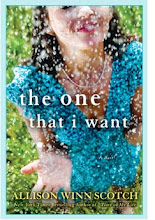
My squee moment of the weekend? Making my own discovery: my book is up on Amazon! Doesn't look like the page is finalized, so I'll be sure to keep you guys updated when the final page comes in. But wow, it really made things feel official.
Until tomorrow...happy celebrating!
By the way, if you're new to the blog (or an old-timer, for that matter), don't be shy...feel free to send me any or all publishing-related questions. I'm here to answer 'em!
Since everyone else in my industry is taking the day off, I figured that I would too. So...um...go do whatever you would do to celebrate the fact that good old Chris sailed the ocean blue and discovered us in 1492 and all of that.
My squee moment of the weekend? Making my own discovery: my book is up on Amazon! Doesn't look like the page is finalized, so I'll be sure to keep you guys updated when the final page comes in. But wow, it really made things feel official.
Until tomorrow...happy celebrating!
By the way, if you're new to the blog (or an old-timer, for that matter), don't be shy...feel free to send me any or all publishing-related questions. I'm here to answer 'em!
Friday, October 06, 2006
Nabbing a Star
Could you explain how you go about interviewing a celebrity? What's the process?
Ah, the seemingly glamorous part of a freelancer's job: landing that interview with an A-lister, then becoming BFFs with said A-lister and eventually being named said A-lister's child's godparent. Ha! Right.
Celebrity interviews are tricky for several reasons.
A) Publicists. Publicists are the gateway to the stars, but often times, they keep those gates firmly shut. If the celeb doesn't have something to promote - a movie, a show, a product, you're likely to get shot down. If the publicist doesn't like the media outlet or deems it too small-time, you're likely to get shot down. If the publicist doesn't recognize your name or think that you can deliver a cushy interview, you might get shot down too (though not always). The point is that publicists, bless their hearts, are hired solely to protect and finesse a celebrity's image, and if your potential interview doesn't fit into their overall game plan for the star, you're likely to be turned away before you can even turn on your digital recorder.
B) The Chicken or the Egg Syndrome. Which should you do first? Nab the celeb or nab the assignment? This conundrum further entangles the situation. Most publicists aren't interested in speaking with you unless you have an assignment, and most editors don't want you to make promises that you can't keep (i.e, "oh, I'm sure that I can get Patrick Dempsey.). So...as I said, conundrum.
C) Logistics. Despite the bountiful pictures on People.com of celebs dining at the Ivy and shopping at Kitson, celebs are busy people. Nailing them down for a phone interview can be tough; getting them in person can be even harder.
So, despite these obstacles, how do you nab a celeb interview? Well, I'll preface this with the statement that there are certainly other writers out there who are far more experienced in this arena than I am, but I'll offer what I know...which is at least a decent amount.
1) Try to get your editor to set up the assignment. If you already have a good relationship with your editor or the magazine, it can't hurt to lob in a celeb idea - "hey, how about a Q/A with Patrick Dempsey on race car driving for the 'hobbies' column" - and have them contact the publicist. This is the route most likely to ensure success, though it isn't a slam-dunk. I was supposed to interview a several-time Oscar nominee, per my editor's suggestion, yet after he'd gone about setting everything up, she still had to pull out at the last minute.
2) Run the idea by your editor, and if she gives you the green light, go after the interview with all that you have. This might mean repeated follow-ups with the publicist or finding a different route to the celeb (through a charity he's involved with or through his network's publicist, etc). It also means not being intimidated by fancy, powerful H-wood publicists who have definitely been known to intimidate. (See: Kingsley, Pat.) The truth of the matter is that editors know that these things fall through, often by no fault of your own, so she probably won't hold it against you if you can't land that big fish.
3) Get creative. See above for other ways/routes to the celeb. While their personal publicist is usually the first stop, it doesn't have to be the only stop. Is the celeb a friend of a friend? Did you go to the same high school? Does he have a book out and thus a book publicist? Etc. If you really, really want to interview him, then you might be able to take a back route into doing it.
Anyone out there a celeb interview expert and want to suggest his or her own tips?
Ah, the seemingly glamorous part of a freelancer's job: landing that interview with an A-lister, then becoming BFFs with said A-lister and eventually being named said A-lister's child's godparent. Ha! Right.
Celebrity interviews are tricky for several reasons.
A) Publicists. Publicists are the gateway to the stars, but often times, they keep those gates firmly shut. If the celeb doesn't have something to promote - a movie, a show, a product, you're likely to get shot down. If the publicist doesn't like the media outlet or deems it too small-time, you're likely to get shot down. If the publicist doesn't recognize your name or think that you can deliver a cushy interview, you might get shot down too (though not always). The point is that publicists, bless their hearts, are hired solely to protect and finesse a celebrity's image, and if your potential interview doesn't fit into their overall game plan for the star, you're likely to be turned away before you can even turn on your digital recorder.
B) The Chicken or the Egg Syndrome. Which should you do first? Nab the celeb or nab the assignment? This conundrum further entangles the situation. Most publicists aren't interested in speaking with you unless you have an assignment, and most editors don't want you to make promises that you can't keep (i.e, "oh, I'm sure that I can get Patrick Dempsey.). So...as I said, conundrum.
C) Logistics. Despite the bountiful pictures on People.com of celebs dining at the Ivy and shopping at Kitson, celebs are busy people. Nailing them down for a phone interview can be tough; getting them in person can be even harder.
So, despite these obstacles, how do you nab a celeb interview? Well, I'll preface this with the statement that there are certainly other writers out there who are far more experienced in this arena than I am, but I'll offer what I know...which is at least a decent amount.
1) Try to get your editor to set up the assignment. If you already have a good relationship with your editor or the magazine, it can't hurt to lob in a celeb idea - "hey, how about a Q/A with Patrick Dempsey on race car driving for the 'hobbies' column" - and have them contact the publicist. This is the route most likely to ensure success, though it isn't a slam-dunk. I was supposed to interview a several-time Oscar nominee, per my editor's suggestion, yet after he'd gone about setting everything up, she still had to pull out at the last minute.
2) Run the idea by your editor, and if she gives you the green light, go after the interview with all that you have. This might mean repeated follow-ups with the publicist or finding a different route to the celeb (through a charity he's involved with or through his network's publicist, etc). It also means not being intimidated by fancy, powerful H-wood publicists who have definitely been known to intimidate. (See: Kingsley, Pat.) The truth of the matter is that editors know that these things fall through, often by no fault of your own, so she probably won't hold it against you if you can't land that big fish.
3) Get creative. See above for other ways/routes to the celeb. While their personal publicist is usually the first stop, it doesn't have to be the only stop. Is the celeb a friend of a friend? Did you go to the same high school? Does he have a book out and thus a book publicist? Etc. If you really, really want to interview him, then you might be able to take a back route into doing it.
Anyone out there a celeb interview expert and want to suggest his or her own tips?
Thursday, October 05, 2006
The Long and Winding Road
Can you explain why the publishing process takes so long? I see sales on Publishers Marketplace, and then the books don't come out for a year. Why is that?
You know, I really don't know the official answer to this, but I'd love to hear it, so if anyone knows, please chime in!
I can tell you that in my situation, it will be a year and a half (!!!) from the time we sold the ms to the time it will be published. There's been a lot of lag time but things are picking up now. For a little breakdown - we sold in January, I got my revision letter in mid-February, turned in the revisions in March...and then didn't do that much between March and the summer. In August, I got my cover art, last month, we dealt with catalog copy and copy-edits, and in the next few weeks, we're getting the ARCs, which is when the fun really begins. Once I get the galleys, I'll send them out to my editors/contacts/reviewers, and my agent, editor and PR person will send them out to every person whom they deem important too.
I guess part of the reason for the lag is that some magazines/reviewers need about six months lead time, so if you rushed a book to print, you'd miss out on some big plugs. So, for example, I'll get my women's magazine editor the ARCs by Nov/Dec to ensure that the book could receive potential placement in the May or June issues. Additionally, I know that publishers tend to set their release dates about a year in advance, so if you sell your book and hope that it can come out nine months later, the publisher isn't likely to have a slot for it. Now WHY they work this far in advance, I'm not sure. Maybe it just takes that long for the ms to go through all the steps of the process: the editing, the art, the copy-editing, the promotion, the sales to stores, etc. I imagine that some of it also has to do with getting catalogs and the actual BOOKS into booksellers' hands - the sales team needs time to do that, though how long, I really don't know.
Shrug. That's my best guess. Anyone know something that I don't?
You know, I really don't know the official answer to this, but I'd love to hear it, so if anyone knows, please chime in!
I can tell you that in my situation, it will be a year and a half (!!!) from the time we sold the ms to the time it will be published. There's been a lot of lag time but things are picking up now. For a little breakdown - we sold in January, I got my revision letter in mid-February, turned in the revisions in March...and then didn't do that much between March and the summer. In August, I got my cover art, last month, we dealt with catalog copy and copy-edits, and in the next few weeks, we're getting the ARCs, which is when the fun really begins. Once I get the galleys, I'll send them out to my editors/contacts/reviewers, and my agent, editor and PR person will send them out to every person whom they deem important too.
I guess part of the reason for the lag is that some magazines/reviewers need about six months lead time, so if you rushed a book to print, you'd miss out on some big plugs. So, for example, I'll get my women's magazine editor the ARCs by Nov/Dec to ensure that the book could receive potential placement in the May or June issues. Additionally, I know that publishers tend to set their release dates about a year in advance, so if you sell your book and hope that it can come out nine months later, the publisher isn't likely to have a slot for it. Now WHY they work this far in advance, I'm not sure. Maybe it just takes that long for the ms to go through all the steps of the process: the editing, the art, the copy-editing, the promotion, the sales to stores, etc. I imagine that some of it also has to do with getting catalogs and the actual BOOKS into booksellers' hands - the sales team needs time to do that, though how long, I really don't know.
Shrug. That's my best guess. Anyone know something that I don't?
Wednesday, October 04, 2006
Talk to the Hand
I'm feeling a bit discouraged. I'm searching for an agent, and so far, have gotten a few nibbles, including three requests for partials and one for a full, but mostly, I'm getting rejected or not hearing anything at all. I'd like to pretend that the rejection doesn't bother me, but it does. Any tips for hanging in there?
Okay, well, the first thing I'd do - if you feel like your query letter isn't getting the response rate that you'd like - is run it past other writers whom you trust. Don't know where to find other writers whom you trust? Check out Backspace (bksp.org) or even one of the Yahoo writers' groups or writers.net. (Though there are a lot of aspiring authors on writers.net, and I can't vouch for whether or not they'll give you sound advice.) I think that a lot of authors aim for about a 20% success rate from their query letter (correct me if I'm wrong, I could be!), so if yours is coming in waaaaay lower than that, you might want to rethink your pitch. Remember: it's not supposed to be a synopsis of the entire book. It's supposed to highlight your voice, tantalize the agent by offering morsels of an intriguing plot, and ensure them that as a writer, you stand out from the pack.
After that, I'd take a look at your numbers. You don't mention how many agents you've pitched, but plenty of folks have to query well over 50 agents (and higher!) before they find a good match. If you're feeling discouraged after, say, 10 rejections or even 20, then you likely have unrealistic expectations of this process. Yes, I know that everyone thinks that his or her own book is genius, but the truth of the matter is that often times, it's not. Or at least not everyone else will agree that it's genius. (The same can be said of most published books too - it's all subjective, right?) Finding an agent is all about finding that one other person who agrees that your work is indeed genius...and that can take time. Sort of like finding the right person to marry.
Now that you've done the math, it's time to think about your mental health. I've mentioned this before but being a writer requires having a thick skin. A VERY thick skin. And I'm not just talking about during the agent hunt. I'm talking about getting critiques from your writing partners, dealing with editorial comments from the publishing house, recovering from scathing reviews, coping with disappointing sales, writing a second book and not having it sell. Need I go on? If you're going to get demoralized at every turn, this isn't the profession for you.
Which isn't to say that you don't have the right to wallow. You do. What I mean by the above paragraph is that you have the right to wallow, but then you have to pick yourself up and move on. So you're getting rejected. Fine. We know that. But the question becomes: what are you going to do about it? Are you going to tweak your query letter or drown your sorrows with booze? Are you going to refine your agent hunt or cry into your pillow? Are you going to ask for objective criticism and consider that it might actually improve your work or are you going to work yourself up into a defensive frenzy and insist that your writing is spun in gold?
I'm of the belief that rejection is just a stepping stone to making your writing (or your attitude) that much better. Use it to your advantage rather than let it sink you. Because if you do let it sink you, your potential writing career is going to go down the tubes with it.
So how do you guys deal with rejection?
Okay, well, the first thing I'd do - if you feel like your query letter isn't getting the response rate that you'd like - is run it past other writers whom you trust. Don't know where to find other writers whom you trust? Check out Backspace (bksp.org) or even one of the Yahoo writers' groups or writers.net. (Though there are a lot of aspiring authors on writers.net, and I can't vouch for whether or not they'll give you sound advice.) I think that a lot of authors aim for about a 20% success rate from their query letter (correct me if I'm wrong, I could be!), so if yours is coming in waaaaay lower than that, you might want to rethink your pitch. Remember: it's not supposed to be a synopsis of the entire book. It's supposed to highlight your voice, tantalize the agent by offering morsels of an intriguing plot, and ensure them that as a writer, you stand out from the pack.
After that, I'd take a look at your numbers. You don't mention how many agents you've pitched, but plenty of folks have to query well over 50 agents (and higher!) before they find a good match. If you're feeling discouraged after, say, 10 rejections or even 20, then you likely have unrealistic expectations of this process. Yes, I know that everyone thinks that his or her own book is genius, but the truth of the matter is that often times, it's not. Or at least not everyone else will agree that it's genius. (The same can be said of most published books too - it's all subjective, right?) Finding an agent is all about finding that one other person who agrees that your work is indeed genius...and that can take time. Sort of like finding the right person to marry.
Now that you've done the math, it's time to think about your mental health. I've mentioned this before but being a writer requires having a thick skin. A VERY thick skin. And I'm not just talking about during the agent hunt. I'm talking about getting critiques from your writing partners, dealing with editorial comments from the publishing house, recovering from scathing reviews, coping with disappointing sales, writing a second book and not having it sell. Need I go on? If you're going to get demoralized at every turn, this isn't the profession for you.
Which isn't to say that you don't have the right to wallow. You do. What I mean by the above paragraph is that you have the right to wallow, but then you have to pick yourself up and move on. So you're getting rejected. Fine. We know that. But the question becomes: what are you going to do about it? Are you going to tweak your query letter or drown your sorrows with booze? Are you going to refine your agent hunt or cry into your pillow? Are you going to ask for objective criticism and consider that it might actually improve your work or are you going to work yourself up into a defensive frenzy and insist that your writing is spun in gold?
I'm of the belief that rejection is just a stepping stone to making your writing (or your attitude) that much better. Use it to your advantage rather than let it sink you. Because if you do let it sink you, your potential writing career is going to go down the tubes with it.
So how do you guys deal with rejection?
Tuesday, October 03, 2006
I'm Feeling Like a Slug
I'm new to freelancing and am lucky enough to have found some work already. But there are days when I find myself really lacking motivation. How do you keep up your enthusiasm?
Ah, excellent question. And here's my first secret: there are days when I DON'T manage to muster up any enthusiasm. That just like any other worker bee, I want to crawl back into bed or hang out in the company of my Tivo or surf gossip sites all day. More on this later.
But most of the time, yeah, I manage to tackle my work and my assignments with, if not a cheerleader level of energy, then certainly, an adequate amount of enthusiasm that translates into my writing. The first thing I keep in mind (and please forgive me if this is too much of a Hallmark moment for you guys) is how DAMN lucky I am to not only be writing for a living, but to enjoy the fact that I write for a living. How many people trudge off to work every morning with the knowledge that they're really doing what they want to do? Not many, I'd guess, and whenever I'm feeling uninspired, tapping into my good fortune helps spark a little ounce of motivation. The thing is: I KNOW how lucky I am to be in this position - to make a good living working out of my house, to have the flexibility to spend more time with my son, to start with a blank piece of paper and put words on it and spin it into a story and get paid for it. I KNOW this. And reflecting on this every once in a while certainly helps me appreciate things.
The second thing that helps, and I blogged about this a while back when we were just getting started here, is sticking to a schedule. If you're haphazard about when you write, you're probably going to find 100,007 reasons not to write. By establishing a schedule, you'll get yourself into a groove - sort of like going to the gym at a set time - and this can really help boost your motivation. KNOW that you have to work from 10-1, for example, and you're much likelier to do so.
The next thing, and this isn't always possible, is to take on only projects that goose your juice. In other words: if you find an assignment boring, you're probably not going to go at it with your guns a-blazin'. Again, I know this isn't always possible - hell, some of my assignments still bore the hell out of me - but even if it's just one or two that really float your boat, you'll be able to translate that energy over to your other stories.
Finally, and this gets back to my first paragraph, the one about pulling the covers back over my head and bunkering down with Felicity reruns all day, if you really, REALLY can't muster even an iota, a cell, a spark of enthusiasm, then don't. Blow off your day entirely. Give yourself a chance to recharge. I did this one day last week: I simply COULD NOT get myself into first gear, much less fifth. At ten, I swore I would start writing. I read every last spoiler (want to know what's going to happen on ANY show, even shows I don't watch? ask me!) on TelevisionWithoutPity.com instead. At eleven, I swore I would start writing. I drained my brain on YouTube.com instead. At noon, I SWORE I would start writing. Really. I shopped online for new maternity jeans and clothes for my son instead. By one, I gave up, surrendering to the fact that this was simply a freebie day. Hell, I barely had the energy to walk the dog, much less turn around a 1500 word piece that was due a few days later.
And you know what? I woke up the next morning and was raring to go: I got more done in those first few hours of my day than I had in the past few days combined. I just needed to step back, give myself a break and return refreshed. So when in doubt, call in a personal day, even if you're just calling it in to yourself. No one will really mind.
What do you guys do to boost your energy and motivation?
Ah, excellent question. And here's my first secret: there are days when I DON'T manage to muster up any enthusiasm. That just like any other worker bee, I want to crawl back into bed or hang out in the company of my Tivo or surf gossip sites all day. More on this later.
But most of the time, yeah, I manage to tackle my work and my assignments with, if not a cheerleader level of energy, then certainly, an adequate amount of enthusiasm that translates into my writing. The first thing I keep in mind (and please forgive me if this is too much of a Hallmark moment for you guys) is how DAMN lucky I am to not only be writing for a living, but to enjoy the fact that I write for a living. How many people trudge off to work every morning with the knowledge that they're really doing what they want to do? Not many, I'd guess, and whenever I'm feeling uninspired, tapping into my good fortune helps spark a little ounce of motivation. The thing is: I KNOW how lucky I am to be in this position - to make a good living working out of my house, to have the flexibility to spend more time with my son, to start with a blank piece of paper and put words on it and spin it into a story and get paid for it. I KNOW this. And reflecting on this every once in a while certainly helps me appreciate things.
The second thing that helps, and I blogged about this a while back when we were just getting started here, is sticking to a schedule. If you're haphazard about when you write, you're probably going to find 100,007 reasons not to write. By establishing a schedule, you'll get yourself into a groove - sort of like going to the gym at a set time - and this can really help boost your motivation. KNOW that you have to work from 10-1, for example, and you're much likelier to do so.
The next thing, and this isn't always possible, is to take on only projects that goose your juice. In other words: if you find an assignment boring, you're probably not going to go at it with your guns a-blazin'. Again, I know this isn't always possible - hell, some of my assignments still bore the hell out of me - but even if it's just one or two that really float your boat, you'll be able to translate that energy over to your other stories.
Finally, and this gets back to my first paragraph, the one about pulling the covers back over my head and bunkering down with Felicity reruns all day, if you really, REALLY can't muster even an iota, a cell, a spark of enthusiasm, then don't. Blow off your day entirely. Give yourself a chance to recharge. I did this one day last week: I simply COULD NOT get myself into first gear, much less fifth. At ten, I swore I would start writing. I read every last spoiler (want to know what's going to happen on ANY show, even shows I don't watch? ask me!) on TelevisionWithoutPity.com instead. At eleven, I swore I would start writing. I drained my brain on YouTube.com instead. At noon, I SWORE I would start writing. Really. I shopped online for new maternity jeans and clothes for my son instead. By one, I gave up, surrendering to the fact that this was simply a freebie day. Hell, I barely had the energy to walk the dog, much less turn around a 1500 word piece that was due a few days later.
And you know what? I woke up the next morning and was raring to go: I got more done in those first few hours of my day than I had in the past few days combined. I just needed to step back, give myself a break and return refreshed. So when in doubt, call in a personal day, even if you're just calling it in to yourself. No one will really mind.
What do you guys do to boost your energy and motivation?
Monday, October 02, 2006
A Day of Reflection
I'm not a particularly religious person, but I am taking today, Yom Kippur, to reflect on my past year and how I could perhaps strive for a bit more kindness in my life. Given the state of our world, we could all probably stand to do the same, however you choose to worship or whatever your religion. My husband spends the day (or at least the morning!) in synagogue, but I like to be alone with my thoughts, take a long walk and just sort of meditate.
So that's what I'll be doing.
While I know that I'll need some time to mull over my list, here are a few things that I could improve on:
*Be nicer to my husband. We love each other dearly but do tend to fall into the trap of taking each other for granted.
*Be nicer to my parents. Ditto.
A short list, but an important one. And hey, I'm still thinking...
Back tomorrow with more writing insights!
So that's what I'll be doing.
While I know that I'll need some time to mull over my list, here are a few things that I could improve on:
*Be nicer to my husband. We love each other dearly but do tend to fall into the trap of taking each other for granted.
*Be nicer to my parents. Ditto.
A short list, but an important one. And hey, I'm still thinking...
Back tomorrow with more writing insights!
Pre-Interview Query Rehash
When writing a query, do you interview your prospective experts? Do you tell them that you are working on an article or that you are pitching an article? What is the correct way to explain what you are working on to prospective experts?
All good questions. I answered 'em here:
http://allisonwinnscotch.blogspot.com/2006/09/putting-interview-cart-before-query.html
If this doesn't help or you have further questions, definitely let me know! Happy to elaborate if you'd like me to.
All good questions. I answered 'em here:
http://allisonwinnscotch.blogspot.com/2006/09/putting-interview-cart-before-query.html
If this doesn't help or you have further questions, definitely let me know! Happy to elaborate if you'd like me to.
Friday, September 29, 2006
Oops, I Missed It Again
Thanks to everyone for weighing on on the great fall TV choices! I'm sorry I haven't had a chance to respond to all of the comments - crazy day in my parts - and needless to say, I had to settle in to watch The Office (sob, poor Jim!!!), Grey's and Ugly Betty tonight. :) But I'll try to respond tomorrow....
Question of the day: I'm curious to hear how much trouble you think I caused for myself. I got my first assignment from a pretty big magazine, and due to a variety of circumstances, I missed my deadline. My editor said that she understood, and I did get the story into her a week later, but she hasn't assigned anything to me since. How badly did I screw up?
On the richter scale of badly? Well, if I were your editor, I'd say pretty badly. (And that pains me to say because this blog is all about being supportive to writers, but sometimes, I have to deliver the cold truth.) The good thing is, is that I'm NOT your editor, so I can't say for sure.
But I will tell you this: for me and to me, deadlines are non-negotiable. If you've agreed to meet one, then you meet one. Barring major out-of-your-hands catastrophes such as childbirth, a death in the family, complete and total computer meltdowns, being sent off to war...you get the idea...there's really no excuse to miss a deadline. I've been freelancing for about five-six years, and I can honestly say that I have never missed one. Really. I have had two situations in which experts bailed on me at the last minute (this, over the course of half a decade), and immediately informed my editors of the situation, and got the story to them within 24 hours of the pre-established deadline. So really...you're not going to get a lot of sympathy from me for blowing past yours. (Wow, I feel like Miss Snark here with the tough love.)
Here's the thing: deadlines are there for a reason. Editors work on a schedule, and they count on you to help ensure that this schedule hums along. When you fail to file your story on the designated day, you risk throwing your editor's life (okay, not life, but at least day or week) to the dogs. And really, who wants to be the one to do that? And meeting deadlines also gets back to something I've mentioned earlier on the blog: to be taken seriously as a writer, you have to be a consummate professional. Guess what? Not delivering when you said that you would is the opposite of professional, and if I were the editor, I wouldn't work with you again. (God, I'm harsh today!)
One thing that successful writers know in the back of their minds is that, like actors or even athletes, for whom there is a full bench of players waiting to take their place, we are expendable. If you don't have the gusto or the savvyness (is that a word?) or the wherewithal to come through for your editor, someone else will. So don't be the one to drop the ball. End of discussion.
Now, if you really, really want to get back in this editor's good graces, I suppose that it wouldn't hurt to send her a note of apology, explain the circumstances that led to your error, and promise that it won't happen again. If she's kind (and she likes your work), she just might move past it. But if she doesn't get back to you, consider it a lesson learned and then move on. And don't let it happen again.
What do you think? Am I being too hard on this reader? Have you guys blown deadlines and lived to tell about it?
Question of the day: I'm curious to hear how much trouble you think I caused for myself. I got my first assignment from a pretty big magazine, and due to a variety of circumstances, I missed my deadline. My editor said that she understood, and I did get the story into her a week later, but she hasn't assigned anything to me since. How badly did I screw up?
On the richter scale of badly? Well, if I were your editor, I'd say pretty badly. (And that pains me to say because this blog is all about being supportive to writers, but sometimes, I have to deliver the cold truth.) The good thing is, is that I'm NOT your editor, so I can't say for sure.
But I will tell you this: for me and to me, deadlines are non-negotiable. If you've agreed to meet one, then you meet one. Barring major out-of-your-hands catastrophes such as childbirth, a death in the family, complete and total computer meltdowns, being sent off to war...you get the idea...there's really no excuse to miss a deadline. I've been freelancing for about five-six years, and I can honestly say that I have never missed one. Really. I have had two situations in which experts bailed on me at the last minute (this, over the course of half a decade), and immediately informed my editors of the situation, and got the story to them within 24 hours of the pre-established deadline. So really...you're not going to get a lot of sympathy from me for blowing past yours. (Wow, I feel like Miss Snark here with the tough love.)
Here's the thing: deadlines are there for a reason. Editors work on a schedule, and they count on you to help ensure that this schedule hums along. When you fail to file your story on the designated day, you risk throwing your editor's life (okay, not life, but at least day or week) to the dogs. And really, who wants to be the one to do that? And meeting deadlines also gets back to something I've mentioned earlier on the blog: to be taken seriously as a writer, you have to be a consummate professional. Guess what? Not delivering when you said that you would is the opposite of professional, and if I were the editor, I wouldn't work with you again. (God, I'm harsh today!)
One thing that successful writers know in the back of their minds is that, like actors or even athletes, for whom there is a full bench of players waiting to take their place, we are expendable. If you don't have the gusto or the savvyness (is that a word?) or the wherewithal to come through for your editor, someone else will. So don't be the one to drop the ball. End of discussion.
Now, if you really, really want to get back in this editor's good graces, I suppose that it wouldn't hurt to send her a note of apology, explain the circumstances that led to your error, and promise that it won't happen again. If she's kind (and she likes your work), she just might move past it. But if she doesn't get back to you, consider it a lesson learned and then move on. And don't let it happen again.
What do you think? Am I being too hard on this reader? Have you guys blown deadlines and lived to tell about it?
Thursday, September 28, 2006
Must See TV?
Taking a break from the writing world to talk about my other favorite thing...TV! Hee! How sad is it that a voracious reader such as moi would be such a TV addict? What does it say about the state of our world? Hmmm, let's not ponder that too much, especially since I know that plenty o' readers of this blog love the boob-tube as much as I do. So in that spirit, I thought I'd 'fess up about my new fall tv habits: which shows I'm watching, which I'm loving, which I'm totally not feeling. The new tv season always starts out like this - with my Tivo on overdrive, and then I gradually whittle down my options until I settle into the shows I'm obsessed with (which will promptly be canceled by idiot studio execs). Feel free to chime in and let me know what you're loving (or not), and if I'm missing anything good!
Oh, and fear not: I'm not the ultimate couch potato. I tivo nearly all of these, then watch them when I'm working out, folding laundry or doing some other brain-draining task.
Though, this actual conversation did occur tonight in my household.
Me: "Let's watch some of The Office DVD episodes. I'm caught up on all of my shows from the DVR."
My husband: "Wow, that's like saying that you've read every book in Western literature."
That hubby! Such a jokester.
So here we go:
Monday: (aka, my new second-favorite night of TV)
Prison Break: Love it, love it, love it, even if it is totally preposterous and inane. Watch it with the hubby, which makes it more enjoyable. (Though the last two epis have actually sucked.)
Heroes: Tivoed the premiere but will now be watching live. One word: AMAZING.
Studio 60 on the Sunset Strip: Tivo - never watched West Wing, but did catch the premiere and thought it was pretty sharp. Matt Perry is a sure bet for an Emmy nod: you heard it here first.
Tuesday:
Veronica Mars: Tivo and sometimes watch live. Feel compelled to love the show, but I'm not sure if I really do.
House: Don't really watch it, but my husband loves it, so will tune in if I'm totally, totally bored.
**Friday Night Lights: It's gotten good reviews, so I'm intrigued, but don't know if I can tackle another show.
Wednesday:
Lost: Live. (Duh!)
The Nine: Cannot WAIT for this show. I've adored Scott Wolf ever since he was Bailey.
(And I'm happy to report that I've finally kicked my America's Next Top Model habit!)
Project Runway: Tivo. At least for the next few weeks until the winner is crowned.
Thursday:
The Office: Live: if you've followed this blog at all, you'll know that I'm obsessed. OBSESSED. Also now watch with the hubby.
Ugly Betty: Tivo: This has gotten rave reviews, and I love the fact that it's set at a magazine.
Grey's: Live (Duh again!). Mmmmm, McDreamy. That's all I need to say.
Friday:
I got nothin'. I debated taking on Men in Trees, but I just don't have the space for it in my schedule. Instead, I usually catch up on something that I've taped.
Saturday:
Ditto.
Sunday:
The Amazing Race: Live. Love it! Want to be on it! Could never deal with the sleep impairment and would promptly be declared a whiny bitch!
Desperate Housewives: Tivo. Totally lost interest last year, but might muster the energy to give it a second try.
Without a Trace: Tivo. Started watching after I interviewed Hank Steinberg a few years back. Totally nice, normal guy. Also watch this one w/the hubby, so we usually fire it up on a Friday or Saturday when we don't have a sitter. /lame/
So that's my sched...you?
Oh, and fear not: I'm not the ultimate couch potato. I tivo nearly all of these, then watch them when I'm working out, folding laundry or doing some other brain-draining task.
Though, this actual conversation did occur tonight in my household.
Me: "Let's watch some of The Office DVD episodes. I'm caught up on all of my shows from the DVR."
My husband: "Wow, that's like saying that you've read every book in Western literature."
That hubby! Such a jokester.
So here we go:
Monday: (aka, my new second-favorite night of TV)
Prison Break: Love it, love it, love it, even if it is totally preposterous and inane. Watch it with the hubby, which makes it more enjoyable. (Though the last two epis have actually sucked.)
Heroes: Tivoed the premiere but will now be watching live. One word: AMAZING.
Studio 60 on the Sunset Strip: Tivo - never watched West Wing, but did catch the premiere and thought it was pretty sharp. Matt Perry is a sure bet for an Emmy nod: you heard it here first.
Tuesday:
Veronica Mars: Tivo and sometimes watch live. Feel compelled to love the show, but I'm not sure if I really do.
House: Don't really watch it, but my husband loves it, so will tune in if I'm totally, totally bored.
**Friday Night Lights: It's gotten good reviews, so I'm intrigued, but don't know if I can tackle another show.
Wednesday:
Lost: Live. (Duh!)
The Nine: Cannot WAIT for this show. I've adored Scott Wolf ever since he was Bailey.
(And I'm happy to report that I've finally kicked my America's Next Top Model habit!)
Project Runway: Tivo. At least for the next few weeks until the winner is crowned.
Thursday:
The Office: Live: if you've followed this blog at all, you'll know that I'm obsessed. OBSESSED. Also now watch with the hubby.
Ugly Betty: Tivo: This has gotten rave reviews, and I love the fact that it's set at a magazine.
Grey's: Live (Duh again!). Mmmmm, McDreamy. That's all I need to say.
Friday:
I got nothin'. I debated taking on Men in Trees, but I just don't have the space for it in my schedule. Instead, I usually catch up on something that I've taped.
Saturday:
Ditto.
Sunday:
The Amazing Race: Live. Love it! Want to be on it! Could never deal with the sleep impairment and would promptly be declared a whiny bitch!
Desperate Housewives: Tivo. Totally lost interest last year, but might muster the energy to give it a second try.
Without a Trace: Tivo. Started watching after I interviewed Hank Steinberg a few years back. Totally nice, normal guy. Also watch this one w/the hubby, so we usually fire it up on a Friday or Saturday when we don't have a sitter. /lame/
So that's my sched...you?
Wednesday, September 27, 2006
Conquering the World Wide Web
I'm building my first portfolio website and feel like I'm lacking direction. Are websites more helpful for certain kinds of writers? I'm planning on using my site to easily present my work to editors, but can a website really help sell you? Also, would I be violating copyrights by posting the text or images of pages of articles I've had published?
In my mind, and I couldn't feel more strongly about this, a website is a MUST for anyone who is serious about building her platform and taking her business (because remember, writing is a business, people!) to the next level. So you're definitely on the right track.
Let's break down your questions: are website more helpful for certain kinds of writers? Well, unless you want to be the kind of writer who is invisible, then I'd say no. I've surfed over to dozens of fiction writers' websites to learn more about them or their books (or to contact them), and trust me, plenty of magazine editors have surfed over to mine (or other mag writers like me) to learn more about me and my work. And the same logic applies going the other way: I've often tried to hunt down a book author for a magazine interview, and when I couldn't find him or her online, I'd move on to someone else. Your website makes you instantly accessible, and if you're not instantly accessible, and someone needs you NOW or is interested in you NOW, he'll move on to someone whom he can find stat. You know how it goes...snooze = lose.
In addition to this instant access, my website has been an invaluable place to showcase my work to editors. (Something you alluded to above.) If they're interested in hiring me, but haven't seen my clips? Hey, check out my website! If they want to know what sorts of subjects I cover? Hey, check out my website! Not to mention that editors definitely google you when your name has been passed to them by someone else or when they're looking for a specific type of writer (say, a health writer), and they'll track you down this way too.
As far as copyrights, I'll admit that I know zilch about that. This issue comes up every once in a while in one of my writer's boards, and no one ever seems to nail down the right thing to do. I'm sure that someone will chime in here and tell me that I'm breaking the law by posting links/scanned articles, but (and maybe this isn't a good defense!), I can tell you that dozens of editors have seen my site, and no one has complained. And most writers I know who have websites post the articles too, so I dunno, maybe there's safety in numbers? (Or is this akin to jumping off a bridge because your friends are all doing it?)
Want to sing the praises of your website? Or narc me out to the writing police? Sound off.
In my mind, and I couldn't feel more strongly about this, a website is a MUST for anyone who is serious about building her platform and taking her business (because remember, writing is a business, people!) to the next level. So you're definitely on the right track.
Let's break down your questions: are website more helpful for certain kinds of writers? Well, unless you want to be the kind of writer who is invisible, then I'd say no. I've surfed over to dozens of fiction writers' websites to learn more about them or their books (or to contact them), and trust me, plenty of magazine editors have surfed over to mine (or other mag writers like me) to learn more about me and my work. And the same logic applies going the other way: I've often tried to hunt down a book author for a magazine interview, and when I couldn't find him or her online, I'd move on to someone else. Your website makes you instantly accessible, and if you're not instantly accessible, and someone needs you NOW or is interested in you NOW, he'll move on to someone whom he can find stat. You know how it goes...snooze = lose.
In addition to this instant access, my website has been an invaluable place to showcase my work to editors. (Something you alluded to above.) If they're interested in hiring me, but haven't seen my clips? Hey, check out my website! If they want to know what sorts of subjects I cover? Hey, check out my website! Not to mention that editors definitely google you when your name has been passed to them by someone else or when they're looking for a specific type of writer (say, a health writer), and they'll track you down this way too.
As far as copyrights, I'll admit that I know zilch about that. This issue comes up every once in a while in one of my writer's boards, and no one ever seems to nail down the right thing to do. I'm sure that someone will chime in here and tell me that I'm breaking the law by posting links/scanned articles, but (and maybe this isn't a good defense!), I can tell you that dozens of editors have seen my site, and no one has complained. And most writers I know who have websites post the articles too, so I dunno, maybe there's safety in numbers? (Or is this akin to jumping off a bridge because your friends are all doing it?)
Want to sing the praises of your website? Or narc me out to the writing police? Sound off.
Tuesday, September 26, 2006
More on Blurb Etiquette
After I asked someone I really wanted to blurb me and who I felt would blurb me, I found out she only had a month if I wanted her blurb on the cover. Needless to say with her crazy writing schedule I didn't feel like this was fair to her and apologized. Is it worth it to get blurbs knowing they won't make it on the cover?
I wanted to pull this question out from the comments section because I thought it was juicy enough to ask other folks to weigh in on, and feared it might get lost if I didn't.
Here's what I would do (or would have done): I would have still asked said author for the blurb, but with many, many caveats. The first being that you are truly respectful of her time and if she couldn't get to it in less than a month, absolutely no big deal. (I say this to all potential blurbers anyway, since obviously, whether they have a month or six, I'm still asking them to give me their time.) I'd also then include something about how, if she can't make the tight deadline, the blurb would still be included on your website, the press materials and the inside pages of the book. This would then give her the option of whether she felt that reading the ms was a worthwhile use of her time. Why not let her decide rather than dinging yourself from the get-go?
I definitely still have some other authors in mind whom I'd love from whom I'd love to garner blurbs. And if we do get more, that means that someone might not make the back cover. (Right now, I think all six are going to be squeezed on.) But when I asked both my agent and my editor if we should stop soliciting blurbs, they said no - that we'd use them in other capacities, like some of the ways mentioned above. I think - and I'm only speculating here, so please, authors feel free to weigh in- that when you blurb, you do it with the hope that you'll get the back cover, but also recognize that you might be placed inside the book, along with a website, etc. Like anything else in publishing, there are no guarantees. At least, that would be my attitude if I gave someone a blurb...
So those are my thoughts? Would you have handled the situation differently? And for those of you who have been asked for blurbs, how would you like to be informed of a scenario like this? Do you expect the back cover? (I could be totally wrong, frankly.)
I wanted to pull this question out from the comments section because I thought it was juicy enough to ask other folks to weigh in on, and feared it might get lost if I didn't.
Here's what I would do (or would have done): I would have still asked said author for the blurb, but with many, many caveats. The first being that you are truly respectful of her time and if she couldn't get to it in less than a month, absolutely no big deal. (I say this to all potential blurbers anyway, since obviously, whether they have a month or six, I'm still asking them to give me their time.) I'd also then include something about how, if she can't make the tight deadline, the blurb would still be included on your website, the press materials and the inside pages of the book. This would then give her the option of whether she felt that reading the ms was a worthwhile use of her time. Why not let her decide rather than dinging yourself from the get-go?
I definitely still have some other authors in mind whom I'd love from whom I'd love to garner blurbs. And if we do get more, that means that someone might not make the back cover. (Right now, I think all six are going to be squeezed on.) But when I asked both my agent and my editor if we should stop soliciting blurbs, they said no - that we'd use them in other capacities, like some of the ways mentioned above. I think - and I'm only speculating here, so please, authors feel free to weigh in- that when you blurb, you do it with the hope that you'll get the back cover, but also recognize that you might be placed inside the book, along with a website, etc. Like anything else in publishing, there are no guarantees. At least, that would be my attitude if I gave someone a blurb...
So those are my thoughts? Would you have handled the situation differently? And for those of you who have been asked for blurbs, how would you like to be informed of a scenario like this? Do you expect the back cover? (I could be totally wrong, frankly.)
Monday, September 25, 2006
'Scuse Me, Can You Spare a Blurb?
A Grog Not to Be Missed:
Before we get into the question of the day, I wanted to send a shout-out to six of my author friends who have started a group blog called, The Debutantes...each of these authors has a debut novel coming out in '07, thus the title. Get it? Truth be told, I was part of this wise, witty, brilliant grog for a short time (when it was in its planning stages), but found that I could only juggle so much and had to regretfully (and guiltily) bow out...but I know that these gals, including Kristy Kiernan, Anna David, Eileen Cook, Tish Cohen, Jennifer McMahon and Mia King, are going to do just fine (read: kick ass) without me. So head on over and check out The Debutante Ball!
Question of the day: Do you have blurbs from authors ... Oh, never mind, I already know this question! But maybe for others who don't you might want to explain author blurbs and the importance of them, and how to get them (after the sale of a novel, of course!). (Special shout-out to the hilarious - and often drunk - Manic Mom for the question!)
Yes, I do have blurbs, as of now, six of 'em, from various chick lit/women's fiction authors.
Blurbs are an interesting topic because it seems that everyone has a different take on them: new authors are often desperate for them, certain readers despise them, and I'm not sure that anyone - PR depts, authors, etc - really knows how much they actually DO for you, in terms of real, quantifiable terms. But regardless, they do seem important, and here's at least one reason why: when it comes time to fire up your sales force (the folks who shop your ARC around to places like Barnes and Noble, Borders, Amazon, etc), these blurbs can really help. (Or so my agent and editor tell me.) It makes their job a hell of a lot easier...after all, the book has the ringing endorsement of Superstar Bestseller, which might help distinguish it from the 1000s of other books being pushed on the Barnes and Noble buyer. And the Barnes and Noble buyer might also be impressed with the fact that, given these blurbs, he suspects that the book will be an easier sell to readers. After all, all things being equal, it does make sense that a customer will likelier buy a book that's been endorsed by one of her favorite authors than a book that hasn't been.
So, as you can probably tell, I'm someone who subscribes to the fact that blurbs really can only help raise the awareness and sales of your book. Sure, some readers - and some of you might comment on this - find blurbs a turn-off. I don't really understand that, but I guess it's your right. But more often, they'll help distinguish your book from the dozens of others on the shelf. I suspect, and again, I have no proof of this, that they might also help you garner more reviews...again for the same reason that blurbs might boost your sales: if a reviewer sees that it's been well-received by other authors, he might be more likely to pick it up than if not.
Now, some skeptics out there will say that blurbing is sort of like back-scratching: you do me, I'll do you. And thus, they doubt the validity of the blurb. Hell, I've heard people claim that some blurbers don't even read the ms they're blurbing, and the truth is...I'm sure that happens, and it's unfortunate. In my case, I can say with certainty that all of my blurbers read the ms (I could tell from their specific comments), and then offered up whatever comments they so chose.
So how did I get these blurbs? Well, I was proactive. After the revisions of my ms were complete, I emailed about 10 -12 authors whose work I had read (and liked), and with whom I thought I would share similar readers. I didn't know these women from Adam, but wrote them very polite, very flattering (and not just to be flattering! but because I did and do admire their work) notes, explained what my book was about, why I'd love for them to take a peek, and let them know that under no circumstances did I expect an obligatory "yes," or good review. A few didn't have the time to read the ms, but I've gotten great blurbs from most of those who did.
My editor and agent were thrilled, partly because of the quality of the authors who were blurbing, but also because most authors don't get blurbs until the galleys are made. So now, we had these amazing quotes to use on the back of the galleys, as well as in the catalog copy that gets sent out to booksellers. But we're still not done. I get my galleys in a few weeks (yahoo!), and from there, my agent and editor will take the lead, sending out ARCs to a few more authors in hopes of landing even more advanced praise. Because, as my agent told me, you can never have enough positive feedback. I wasn't about to disagree...
Blurbs...love 'em? Hate 'em? Disregard 'em? Gotten 'em? Been asked for them? Who wants to share his or her own opinion on blurbs?
Before we get into the question of the day, I wanted to send a shout-out to six of my author friends who have started a group blog called, The Debutantes...each of these authors has a debut novel coming out in '07, thus the title. Get it? Truth be told, I was part of this wise, witty, brilliant grog for a short time (when it was in its planning stages), but found that I could only juggle so much and had to regretfully (and guiltily) bow out...but I know that these gals, including Kristy Kiernan, Anna David, Eileen Cook, Tish Cohen, Jennifer McMahon and Mia King, are going to do just fine (read: kick ass) without me. So head on over and check out The Debutante Ball!
Question of the day: Do you have blurbs from authors ... Oh, never mind, I already know this question! But maybe for others who don't you might want to explain author blurbs and the importance of them, and how to get them (after the sale of a novel, of course!). (Special shout-out to the hilarious - and often drunk - Manic Mom for the question!)
Yes, I do have blurbs, as of now, six of 'em, from various chick lit/women's fiction authors.
Blurbs are an interesting topic because it seems that everyone has a different take on them: new authors are often desperate for them, certain readers despise them, and I'm not sure that anyone - PR depts, authors, etc - really knows how much they actually DO for you, in terms of real, quantifiable terms. But regardless, they do seem important, and here's at least one reason why: when it comes time to fire up your sales force (the folks who shop your ARC around to places like Barnes and Noble, Borders, Amazon, etc), these blurbs can really help. (Or so my agent and editor tell me.) It makes their job a hell of a lot easier...after all, the book has the ringing endorsement of Superstar Bestseller, which might help distinguish it from the 1000s of other books being pushed on the Barnes and Noble buyer. And the Barnes and Noble buyer might also be impressed with the fact that, given these blurbs, he suspects that the book will be an easier sell to readers. After all, all things being equal, it does make sense that a customer will likelier buy a book that's been endorsed by one of her favorite authors than a book that hasn't been.
So, as you can probably tell, I'm someone who subscribes to the fact that blurbs really can only help raise the awareness and sales of your book. Sure, some readers - and some of you might comment on this - find blurbs a turn-off. I don't really understand that, but I guess it's your right. But more often, they'll help distinguish your book from the dozens of others on the shelf. I suspect, and again, I have no proof of this, that they might also help you garner more reviews...again for the same reason that blurbs might boost your sales: if a reviewer sees that it's been well-received by other authors, he might be more likely to pick it up than if not.
Now, some skeptics out there will say that blurbing is sort of like back-scratching: you do me, I'll do you. And thus, they doubt the validity of the blurb. Hell, I've heard people claim that some blurbers don't even read the ms they're blurbing, and the truth is...I'm sure that happens, and it's unfortunate. In my case, I can say with certainty that all of my blurbers read the ms (I could tell from their specific comments), and then offered up whatever comments they so chose.
So how did I get these blurbs? Well, I was proactive. After the revisions of my ms were complete, I emailed about 10 -12 authors whose work I had read (and liked), and with whom I thought I would share similar readers. I didn't know these women from Adam, but wrote them very polite, very flattering (and not just to be flattering! but because I did and do admire their work) notes, explained what my book was about, why I'd love for them to take a peek, and let them know that under no circumstances did I expect an obligatory "yes," or good review. A few didn't have the time to read the ms, but I've gotten great blurbs from most of those who did.
My editor and agent were thrilled, partly because of the quality of the authors who were blurbing, but also because most authors don't get blurbs until the galleys are made. So now, we had these amazing quotes to use on the back of the galleys, as well as in the catalog copy that gets sent out to booksellers. But we're still not done. I get my galleys in a few weeks (yahoo!), and from there, my agent and editor will take the lead, sending out ARCs to a few more authors in hopes of landing even more advanced praise. Because, as my agent told me, you can never have enough positive feedback. I wasn't about to disagree...
Blurbs...love 'em? Hate 'em? Disregard 'em? Gotten 'em? Been asked for them? Who wants to share his or her own opinion on blurbs?
Friday, September 22, 2006
Words Fail Me
And it take a lot for that to happen. But I'm so elated/emotionally-gutted at the double-return of The Office and Grey's, I'm speechless. Yes, dear readers, this is what rocks my world: the return of fall TV. I don't want to post anything too spoiler-y for those of you who are Tivo-ing, so I'll just say this. Yummy, teary McDreamy! And please, more JAM!!
Alas, since I'm out of words, I'm turning the blog over to you folks today. Here's a question to which I have no answer...other than MediaBistro, which seems so obvious that it's embarrassing because it just demonstrates that I have no answer.
Question: Can you recommend any job boards?
If you guys can kindly help out the reader who is looking for a few good online resources, I'm sure that she would appreciate it!
Alas, since I'm out of words, I'm turning the blog over to you folks today. Here's a question to which I have no answer...other than MediaBistro, which seems so obvious that it's embarrassing because it just demonstrates that I have no answer.
Question: Can you recommend any job boards?
If you guys can kindly help out the reader who is looking for a few good online resources, I'm sure that she would appreciate it!
Thursday, September 21, 2006
12 Hours and Counting...
Until my two favorite shows kick off the season! I cannot WAIT for some JAM-ily goodness, not to mention a dose of McDreamy medicine, but in the meantime, I'll settle for these. If you haven't seen them (um, not that I've watched either more than once...or twice), and you're a fan of either The Office or of Grey's Anatomy, I suggest you check 'em out!
The Office: Jim and Pam Forevah!
Grey's: The Fray video
Enjoy! (And for writing stuff, keep reading below....)
The Office: Jim and Pam Forevah!
Grey's: The Fray video
Enjoy! (And for writing stuff, keep reading below....)
And I'd Like to Thank...
I was hoping you could cover something I haven't seen anywhere else: Expert/source etiquette. a) How do you thank them? b) Do they get copies of what you've written from the magazine itself, or should you as a courtesy provide them a copy? c) If you decide to spin your original interview material in a different direction for different articles, do you need to seek their permission? Any help would be appreciated.
a) I usually simply thank them profusely (and often) both at the beginning of the phone call and at the end. Letting them know that I know their time is valuable, and I appreciate what they're doing for me. I often send a similar note of thanks via email after the interview or after we've swapped emails with my follow-up questions. I do know some writers who, I think, send out hand-written thank you notes, but I'll be honest: I wish I had the time to do something like that, but alas, I don't. And I don't think that these experts expect it either. I think you employ common graciousness (and then some), and you're fine. I really do go out of my way to let them know how appreciative I am of their assistance, and that's that.
b) Depends. Some magazines ask for an expert's address to send him a contributor's copy (or in some cases, I can provide the addy and my editor will send out a copy), and some don't. Hell, some don't even send me a copy, much less my source. What I most often do, and I'll admit to the fact that when I'm super-swamped, this sometimes gets sidelined (which I feel terribly about), is send the expert a link to the article, either from my website or when available, from the magazine's website. Most seem plenty happy with this: they just want to be alerted that the story has been published. If they do then request a hard copy, I'll make a color xerox of the copy that I have (one that I've bought or has been sent to me), and drop it in the mail. Everyone seems fairly satisfied with this method.
c) I'm not sure that you NEED to seek their permission to use it again, but just as a courtesy, I like to give them a heads-up. Frankly, they're almost always thrilled: they get more bang for their buck, and on the off-chance (okay, is that hyphenated? now I'm all paranoid since someone posted in the comments section that I use too many hyphens!) that they're not thrilled or if say, they're on an advisory board of a competing magazine, you'll be forewarned before you write the piece. But again, I've never had anyone balk at the chance of getting more publicity, so most time, it's not a problem.
How do you guys notify your sources of upcoming articles? Do you stay 100% on top of it or can you make me feel a little less guilty and admit that this sometimes falls by the wayside.
a) I usually simply thank them profusely (and often) both at the beginning of the phone call and at the end. Letting them know that I know their time is valuable, and I appreciate what they're doing for me. I often send a similar note of thanks via email after the interview or after we've swapped emails with my follow-up questions. I do know some writers who, I think, send out hand-written thank you notes, but I'll be honest: I wish I had the time to do something like that, but alas, I don't. And I don't think that these experts expect it either. I think you employ common graciousness (and then some), and you're fine. I really do go out of my way to let them know how appreciative I am of their assistance, and that's that.
b) Depends. Some magazines ask for an expert's address to send him a contributor's copy (or in some cases, I can provide the addy and my editor will send out a copy), and some don't. Hell, some don't even send me a copy, much less my source. What I most often do, and I'll admit to the fact that when I'm super-swamped, this sometimes gets sidelined (which I feel terribly about), is send the expert a link to the article, either from my website or when available, from the magazine's website. Most seem plenty happy with this: they just want to be alerted that the story has been published. If they do then request a hard copy, I'll make a color xerox of the copy that I have (one that I've bought or has been sent to me), and drop it in the mail. Everyone seems fairly satisfied with this method.
c) I'm not sure that you NEED to seek their permission to use it again, but just as a courtesy, I like to give them a heads-up. Frankly, they're almost always thrilled: they get more bang for their buck, and on the off-chance (okay, is that hyphenated? now I'm all paranoid since someone posted in the comments section that I use too many hyphens!) that they're not thrilled or if say, they're on an advisory board of a competing magazine, you'll be forewarned before you write the piece. But again, I've never had anyone balk at the chance of getting more publicity, so most time, it's not a problem.
How do you guys notify your sources of upcoming articles? Do you stay 100% on top of it or can you make me feel a little less guilty and admit that this sometimes falls by the wayside.
Wednesday, September 20, 2006
Putting the Interview Cart Before the Query Horse
I do mostly corporate work, but I am trying to break into magazines. My questions are do I approach my sources before I do my query letter or do I wait until my query is accepted before approaching potential sources? I have a magazine in mind, but I feel that I should speak to the sources first. I think it would make my query stronger; however, I donÂ’t have the assignment yet. Any clarification you could provide would be greatly appreciated.
This can go either way. Obviously, the stronger your initiall query and the better researched it is, the more likely you are to catch an editor's eye. So certainly, it doesn't hurt to do some pre-query research. When you set up these pre-interviews, however, you do need to make it clear that this isn't yet an assigned piece, and you need to respect that your sources might not want to give you their time until it is. Most often, they do anyway, but sometimes, they don't. C'est la vie.
When I'm scheduling pre-query interviews, I usually just say something like, "This is for a potential article for Magazine X. Right now, I'm just looking for some initial information, so I don't expect this to take up too much of your time. Should the story get the green light, I will, of course, cite you as a source and circle back to set up a longer, more in-depth interview." This assures people that they won't be stuck on the phone with you for an hour, and that you'll be happy to give them the publicity when the article is approved. When I do opt for a pre-query interview, it's also almost always with an expert I've used in the past - a Ph.D, M.D, etc, who knows that I am indeed reliable, and that should this fall through, that I'll try to make it up to him or her in the future. I dunno, it just makes me feel better about taking up his/her time on something that might not fly.
If you're not comfortable with pre-interviews, you can (and should) still provide the editor with a list of potential experts/sources. After you've spelled out the idea and why it would work for him/her, you should merely include a sentence that says, "Potential experts for this piece include, X, Y, and Z." True, they might not all pan out, but some will, and perhaps more importantly, you're demonstrating to your editor that a) you know how to sniff out the right resources for the article and that b) the proposed topic is indeed newsworthy/worth exploring.
How often do you guys do pre-query interviews? Any other tips for the person who asked?
This can go either way. Obviously, the stronger your initiall query and the better researched it is, the more likely you are to catch an editor's eye. So certainly, it doesn't hurt to do some pre-query research. When you set up these pre-interviews, however, you do need to make it clear that this isn't yet an assigned piece, and you need to respect that your sources might not want to give you their time until it is. Most often, they do anyway, but sometimes, they don't. C'est la vie.
When I'm scheduling pre-query interviews, I usually just say something like, "This is for a potential article for Magazine X. Right now, I'm just looking for some initial information, so I don't expect this to take up too much of your time. Should the story get the green light, I will, of course, cite you as a source and circle back to set up a longer, more in-depth interview." This assures people that they won't be stuck on the phone with you for an hour, and that you'll be happy to give them the publicity when the article is approved. When I do opt for a pre-query interview, it's also almost always with an expert I've used in the past - a Ph.D, M.D, etc, who knows that I am indeed reliable, and that should this fall through, that I'll try to make it up to him or her in the future. I dunno, it just makes me feel better about taking up his/her time on something that might not fly.
If you're not comfortable with pre-interviews, you can (and should) still provide the editor with a list of potential experts/sources. After you've spelled out the idea and why it would work for him/her, you should merely include a sentence that says, "Potential experts for this piece include, X, Y, and Z." True, they might not all pan out, but some will, and perhaps more importantly, you're demonstrating to your editor that a) you know how to sniff out the right resources for the article and that b) the proposed topic is indeed newsworthy/worth exploring.
How often do you guys do pre-query interviews? Any other tips for the person who asked?
Subscribe to:
Posts (Atom)