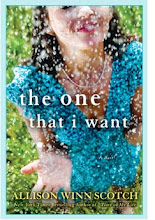
Can you explain why the publishing process takes so long? I see sales on Publishers Marketplace, and then the books don't come out for a year. Why is that?
You know, I really don't know the official answer to this, but I'd love to hear it, so if anyone knows, please chime in!
I can tell you that in my situation, it will be a year and a half (!!!) from the time we sold the ms to the time it will be published. There's been a lot of lag time but things are picking up now. For a little breakdown - we sold in January, I got my revision letter in mid-February, turned in the revisions in March...and then didn't do that much between March and the summer. In August, I got my cover art, last month, we dealt with catalog copy and copy-edits, and in the next few weeks, we're getting the ARCs, which is when the fun really begins. Once I get the galleys, I'll send them out to my editors/contacts/reviewers, and my agent, editor and PR person will send them out to every person whom they deem important too.
I guess part of the reason for the lag is that some magazines/reviewers need about six months lead time, so if you rushed a book to print, you'd miss out on some big plugs. So, for example, I'll get my women's magazine editor the ARCs by Nov/Dec to ensure that the book could receive potential placement in the May or June issues. Additionally, I know that publishers tend to set their release dates about a year in advance, so if you sell your book and hope that it can come out nine months later, the publisher isn't likely to have a slot for it. Now WHY they work this far in advance, I'm not sure. Maybe it just takes that long for the ms to go through all the steps of the process: the editing, the art, the copy-editing, the promotion, the sales to stores, etc. I imagine that some of it also has to do with getting catalogs and the actual BOOKS into booksellers' hands - the sales team needs time to do that, though how long, I really don't know.
Shrug. That's my best guess. Anyone know something that I don't?
Thursday, October 05, 2006
Wednesday, October 04, 2006
Talk to the Hand
I'm feeling a bit discouraged. I'm searching for an agent, and so far, have gotten a few nibbles, including three requests for partials and one for a full, but mostly, I'm getting rejected or not hearing anything at all. I'd like to pretend that the rejection doesn't bother me, but it does. Any tips for hanging in there?
Okay, well, the first thing I'd do - if you feel like your query letter isn't getting the response rate that you'd like - is run it past other writers whom you trust. Don't know where to find other writers whom you trust? Check out Backspace (bksp.org) or even one of the Yahoo writers' groups or writers.net. (Though there are a lot of aspiring authors on writers.net, and I can't vouch for whether or not they'll give you sound advice.) I think that a lot of authors aim for about a 20% success rate from their query letter (correct me if I'm wrong, I could be!), so if yours is coming in waaaaay lower than that, you might want to rethink your pitch. Remember: it's not supposed to be a synopsis of the entire book. It's supposed to highlight your voice, tantalize the agent by offering morsels of an intriguing plot, and ensure them that as a writer, you stand out from the pack.
After that, I'd take a look at your numbers. You don't mention how many agents you've pitched, but plenty of folks have to query well over 50 agents (and higher!) before they find a good match. If you're feeling discouraged after, say, 10 rejections or even 20, then you likely have unrealistic expectations of this process. Yes, I know that everyone thinks that his or her own book is genius, but the truth of the matter is that often times, it's not. Or at least not everyone else will agree that it's genius. (The same can be said of most published books too - it's all subjective, right?) Finding an agent is all about finding that one other person who agrees that your work is indeed genius...and that can take time. Sort of like finding the right person to marry.
Now that you've done the math, it's time to think about your mental health. I've mentioned this before but being a writer requires having a thick skin. A VERY thick skin. And I'm not just talking about during the agent hunt. I'm talking about getting critiques from your writing partners, dealing with editorial comments from the publishing house, recovering from scathing reviews, coping with disappointing sales, writing a second book and not having it sell. Need I go on? If you're going to get demoralized at every turn, this isn't the profession for you.
Which isn't to say that you don't have the right to wallow. You do. What I mean by the above paragraph is that you have the right to wallow, but then you have to pick yourself up and move on. So you're getting rejected. Fine. We know that. But the question becomes: what are you going to do about it? Are you going to tweak your query letter or drown your sorrows with booze? Are you going to refine your agent hunt or cry into your pillow? Are you going to ask for objective criticism and consider that it might actually improve your work or are you going to work yourself up into a defensive frenzy and insist that your writing is spun in gold?
I'm of the belief that rejection is just a stepping stone to making your writing (or your attitude) that much better. Use it to your advantage rather than let it sink you. Because if you do let it sink you, your potential writing career is going to go down the tubes with it.
So how do you guys deal with rejection?
Okay, well, the first thing I'd do - if you feel like your query letter isn't getting the response rate that you'd like - is run it past other writers whom you trust. Don't know where to find other writers whom you trust? Check out Backspace (bksp.org) or even one of the Yahoo writers' groups or writers.net. (Though there are a lot of aspiring authors on writers.net, and I can't vouch for whether or not they'll give you sound advice.) I think that a lot of authors aim for about a 20% success rate from their query letter (correct me if I'm wrong, I could be!), so if yours is coming in waaaaay lower than that, you might want to rethink your pitch. Remember: it's not supposed to be a synopsis of the entire book. It's supposed to highlight your voice, tantalize the agent by offering morsels of an intriguing plot, and ensure them that as a writer, you stand out from the pack.
After that, I'd take a look at your numbers. You don't mention how many agents you've pitched, but plenty of folks have to query well over 50 agents (and higher!) before they find a good match. If you're feeling discouraged after, say, 10 rejections or even 20, then you likely have unrealistic expectations of this process. Yes, I know that everyone thinks that his or her own book is genius, but the truth of the matter is that often times, it's not. Or at least not everyone else will agree that it's genius. (The same can be said of most published books too - it's all subjective, right?) Finding an agent is all about finding that one other person who agrees that your work is indeed genius...and that can take time. Sort of like finding the right person to marry.
Now that you've done the math, it's time to think about your mental health. I've mentioned this before but being a writer requires having a thick skin. A VERY thick skin. And I'm not just talking about during the agent hunt. I'm talking about getting critiques from your writing partners, dealing with editorial comments from the publishing house, recovering from scathing reviews, coping with disappointing sales, writing a second book and not having it sell. Need I go on? If you're going to get demoralized at every turn, this isn't the profession for you.
Which isn't to say that you don't have the right to wallow. You do. What I mean by the above paragraph is that you have the right to wallow, but then you have to pick yourself up and move on. So you're getting rejected. Fine. We know that. But the question becomes: what are you going to do about it? Are you going to tweak your query letter or drown your sorrows with booze? Are you going to refine your agent hunt or cry into your pillow? Are you going to ask for objective criticism and consider that it might actually improve your work or are you going to work yourself up into a defensive frenzy and insist that your writing is spun in gold?
I'm of the belief that rejection is just a stepping stone to making your writing (or your attitude) that much better. Use it to your advantage rather than let it sink you. Because if you do let it sink you, your potential writing career is going to go down the tubes with it.
So how do you guys deal with rejection?
Tuesday, October 03, 2006
I'm Feeling Like a Slug
I'm new to freelancing and am lucky enough to have found some work already. But there are days when I find myself really lacking motivation. How do you keep up your enthusiasm?
Ah, excellent question. And here's my first secret: there are days when I DON'T manage to muster up any enthusiasm. That just like any other worker bee, I want to crawl back into bed or hang out in the company of my Tivo or surf gossip sites all day. More on this later.
But most of the time, yeah, I manage to tackle my work and my assignments with, if not a cheerleader level of energy, then certainly, an adequate amount of enthusiasm that translates into my writing. The first thing I keep in mind (and please forgive me if this is too much of a Hallmark moment for you guys) is how DAMN lucky I am to not only be writing for a living, but to enjoy the fact that I write for a living. How many people trudge off to work every morning with the knowledge that they're really doing what they want to do? Not many, I'd guess, and whenever I'm feeling uninspired, tapping into my good fortune helps spark a little ounce of motivation. The thing is: I KNOW how lucky I am to be in this position - to make a good living working out of my house, to have the flexibility to spend more time with my son, to start with a blank piece of paper and put words on it and spin it into a story and get paid for it. I KNOW this. And reflecting on this every once in a while certainly helps me appreciate things.
The second thing that helps, and I blogged about this a while back when we were just getting started here, is sticking to a schedule. If you're haphazard about when you write, you're probably going to find 100,007 reasons not to write. By establishing a schedule, you'll get yourself into a groove - sort of like going to the gym at a set time - and this can really help boost your motivation. KNOW that you have to work from 10-1, for example, and you're much likelier to do so.
The next thing, and this isn't always possible, is to take on only projects that goose your juice. In other words: if you find an assignment boring, you're probably not going to go at it with your guns a-blazin'. Again, I know this isn't always possible - hell, some of my assignments still bore the hell out of me - but even if it's just one or two that really float your boat, you'll be able to translate that energy over to your other stories.
Finally, and this gets back to my first paragraph, the one about pulling the covers back over my head and bunkering down with Felicity reruns all day, if you really, REALLY can't muster even an iota, a cell, a spark of enthusiasm, then don't. Blow off your day entirely. Give yourself a chance to recharge. I did this one day last week: I simply COULD NOT get myself into first gear, much less fifth. At ten, I swore I would start writing. I read every last spoiler (want to know what's going to happen on ANY show, even shows I don't watch? ask me!) on TelevisionWithoutPity.com instead. At eleven, I swore I would start writing. I drained my brain on YouTube.com instead. At noon, I SWORE I would start writing. Really. I shopped online for new maternity jeans and clothes for my son instead. By one, I gave up, surrendering to the fact that this was simply a freebie day. Hell, I barely had the energy to walk the dog, much less turn around a 1500 word piece that was due a few days later.
And you know what? I woke up the next morning and was raring to go: I got more done in those first few hours of my day than I had in the past few days combined. I just needed to step back, give myself a break and return refreshed. So when in doubt, call in a personal day, even if you're just calling it in to yourself. No one will really mind.
What do you guys do to boost your energy and motivation?
Ah, excellent question. And here's my first secret: there are days when I DON'T manage to muster up any enthusiasm. That just like any other worker bee, I want to crawl back into bed or hang out in the company of my Tivo or surf gossip sites all day. More on this later.
But most of the time, yeah, I manage to tackle my work and my assignments with, if not a cheerleader level of energy, then certainly, an adequate amount of enthusiasm that translates into my writing. The first thing I keep in mind (and please forgive me if this is too much of a Hallmark moment for you guys) is how DAMN lucky I am to not only be writing for a living, but to enjoy the fact that I write for a living. How many people trudge off to work every morning with the knowledge that they're really doing what they want to do? Not many, I'd guess, and whenever I'm feeling uninspired, tapping into my good fortune helps spark a little ounce of motivation. The thing is: I KNOW how lucky I am to be in this position - to make a good living working out of my house, to have the flexibility to spend more time with my son, to start with a blank piece of paper and put words on it and spin it into a story and get paid for it. I KNOW this. And reflecting on this every once in a while certainly helps me appreciate things.
The second thing that helps, and I blogged about this a while back when we were just getting started here, is sticking to a schedule. If you're haphazard about when you write, you're probably going to find 100,007 reasons not to write. By establishing a schedule, you'll get yourself into a groove - sort of like going to the gym at a set time - and this can really help boost your motivation. KNOW that you have to work from 10-1, for example, and you're much likelier to do so.
The next thing, and this isn't always possible, is to take on only projects that goose your juice. In other words: if you find an assignment boring, you're probably not going to go at it with your guns a-blazin'. Again, I know this isn't always possible - hell, some of my assignments still bore the hell out of me - but even if it's just one or two that really float your boat, you'll be able to translate that energy over to your other stories.
Finally, and this gets back to my first paragraph, the one about pulling the covers back over my head and bunkering down with Felicity reruns all day, if you really, REALLY can't muster even an iota, a cell, a spark of enthusiasm, then don't. Blow off your day entirely. Give yourself a chance to recharge. I did this one day last week: I simply COULD NOT get myself into first gear, much less fifth. At ten, I swore I would start writing. I read every last spoiler (want to know what's going to happen on ANY show, even shows I don't watch? ask me!) on TelevisionWithoutPity.com instead. At eleven, I swore I would start writing. I drained my brain on YouTube.com instead. At noon, I SWORE I would start writing. Really. I shopped online for new maternity jeans and clothes for my son instead. By one, I gave up, surrendering to the fact that this was simply a freebie day. Hell, I barely had the energy to walk the dog, much less turn around a 1500 word piece that was due a few days later.
And you know what? I woke up the next morning and was raring to go: I got more done in those first few hours of my day than I had in the past few days combined. I just needed to step back, give myself a break and return refreshed. So when in doubt, call in a personal day, even if you're just calling it in to yourself. No one will really mind.
What do you guys do to boost your energy and motivation?
Monday, October 02, 2006
A Day of Reflection
I'm not a particularly religious person, but I am taking today, Yom Kippur, to reflect on my past year and how I could perhaps strive for a bit more kindness in my life. Given the state of our world, we could all probably stand to do the same, however you choose to worship or whatever your religion. My husband spends the day (or at least the morning!) in synagogue, but I like to be alone with my thoughts, take a long walk and just sort of meditate.
So that's what I'll be doing.
While I know that I'll need some time to mull over my list, here are a few things that I could improve on:
*Be nicer to my husband. We love each other dearly but do tend to fall into the trap of taking each other for granted.
*Be nicer to my parents. Ditto.
A short list, but an important one. And hey, I'm still thinking...
Back tomorrow with more writing insights!
So that's what I'll be doing.
While I know that I'll need some time to mull over my list, here are a few things that I could improve on:
*Be nicer to my husband. We love each other dearly but do tend to fall into the trap of taking each other for granted.
*Be nicer to my parents. Ditto.
A short list, but an important one. And hey, I'm still thinking...
Back tomorrow with more writing insights!
Pre-Interview Query Rehash
When writing a query, do you interview your prospective experts? Do you tell them that you are working on an article or that you are pitching an article? What is the correct way to explain what you are working on to prospective experts?
All good questions. I answered 'em here:
http://allisonwinnscotch.blogspot.com/2006/09/putting-interview-cart-before-query.html
If this doesn't help or you have further questions, definitely let me know! Happy to elaborate if you'd like me to.
All good questions. I answered 'em here:
http://allisonwinnscotch.blogspot.com/2006/09/putting-interview-cart-before-query.html
If this doesn't help or you have further questions, definitely let me know! Happy to elaborate if you'd like me to.
Friday, September 29, 2006
Oops, I Missed It Again
Thanks to everyone for weighing on on the great fall TV choices! I'm sorry I haven't had a chance to respond to all of the comments - crazy day in my parts - and needless to say, I had to settle in to watch The Office (sob, poor Jim!!!), Grey's and Ugly Betty tonight. :) But I'll try to respond tomorrow....
Question of the day: I'm curious to hear how much trouble you think I caused for myself. I got my first assignment from a pretty big magazine, and due to a variety of circumstances, I missed my deadline. My editor said that she understood, and I did get the story into her a week later, but she hasn't assigned anything to me since. How badly did I screw up?
On the richter scale of badly? Well, if I were your editor, I'd say pretty badly. (And that pains me to say because this blog is all about being supportive to writers, but sometimes, I have to deliver the cold truth.) The good thing is, is that I'm NOT your editor, so I can't say for sure.
But I will tell you this: for me and to me, deadlines are non-negotiable. If you've agreed to meet one, then you meet one. Barring major out-of-your-hands catastrophes such as childbirth, a death in the family, complete and total computer meltdowns, being sent off to war...you get the idea...there's really no excuse to miss a deadline. I've been freelancing for about five-six years, and I can honestly say that I have never missed one. Really. I have had two situations in which experts bailed on me at the last minute (this, over the course of half a decade), and immediately informed my editors of the situation, and got the story to them within 24 hours of the pre-established deadline. So really...you're not going to get a lot of sympathy from me for blowing past yours. (Wow, I feel like Miss Snark here with the tough love.)
Here's the thing: deadlines are there for a reason. Editors work on a schedule, and they count on you to help ensure that this schedule hums along. When you fail to file your story on the designated day, you risk throwing your editor's life (okay, not life, but at least day or week) to the dogs. And really, who wants to be the one to do that? And meeting deadlines also gets back to something I've mentioned earlier on the blog: to be taken seriously as a writer, you have to be a consummate professional. Guess what? Not delivering when you said that you would is the opposite of professional, and if I were the editor, I wouldn't work with you again. (God, I'm harsh today!)
One thing that successful writers know in the back of their minds is that, like actors or even athletes, for whom there is a full bench of players waiting to take their place, we are expendable. If you don't have the gusto or the savvyness (is that a word?) or the wherewithal to come through for your editor, someone else will. So don't be the one to drop the ball. End of discussion.
Now, if you really, really want to get back in this editor's good graces, I suppose that it wouldn't hurt to send her a note of apology, explain the circumstances that led to your error, and promise that it won't happen again. If she's kind (and she likes your work), she just might move past it. But if she doesn't get back to you, consider it a lesson learned and then move on. And don't let it happen again.
What do you think? Am I being too hard on this reader? Have you guys blown deadlines and lived to tell about it?
Question of the day: I'm curious to hear how much trouble you think I caused for myself. I got my first assignment from a pretty big magazine, and due to a variety of circumstances, I missed my deadline. My editor said that she understood, and I did get the story into her a week later, but she hasn't assigned anything to me since. How badly did I screw up?
On the richter scale of badly? Well, if I were your editor, I'd say pretty badly. (And that pains me to say because this blog is all about being supportive to writers, but sometimes, I have to deliver the cold truth.) The good thing is, is that I'm NOT your editor, so I can't say for sure.
But I will tell you this: for me and to me, deadlines are non-negotiable. If you've agreed to meet one, then you meet one. Barring major out-of-your-hands catastrophes such as childbirth, a death in the family, complete and total computer meltdowns, being sent off to war...you get the idea...there's really no excuse to miss a deadline. I've been freelancing for about five-six years, and I can honestly say that I have never missed one. Really. I have had two situations in which experts bailed on me at the last minute (this, over the course of half a decade), and immediately informed my editors of the situation, and got the story to them within 24 hours of the pre-established deadline. So really...you're not going to get a lot of sympathy from me for blowing past yours. (Wow, I feel like Miss Snark here with the tough love.)
Here's the thing: deadlines are there for a reason. Editors work on a schedule, and they count on you to help ensure that this schedule hums along. When you fail to file your story on the designated day, you risk throwing your editor's life (okay, not life, but at least day or week) to the dogs. And really, who wants to be the one to do that? And meeting deadlines also gets back to something I've mentioned earlier on the blog: to be taken seriously as a writer, you have to be a consummate professional. Guess what? Not delivering when you said that you would is the opposite of professional, and if I were the editor, I wouldn't work with you again. (God, I'm harsh today!)
One thing that successful writers know in the back of their minds is that, like actors or even athletes, for whom there is a full bench of players waiting to take their place, we are expendable. If you don't have the gusto or the savvyness (is that a word?) or the wherewithal to come through for your editor, someone else will. So don't be the one to drop the ball. End of discussion.
Now, if you really, really want to get back in this editor's good graces, I suppose that it wouldn't hurt to send her a note of apology, explain the circumstances that led to your error, and promise that it won't happen again. If she's kind (and she likes your work), she just might move past it. But if she doesn't get back to you, consider it a lesson learned and then move on. And don't let it happen again.
What do you think? Am I being too hard on this reader? Have you guys blown deadlines and lived to tell about it?
Thursday, September 28, 2006
Must See TV?
Taking a break from the writing world to talk about my other favorite thing...TV! Hee! How sad is it that a voracious reader such as moi would be such a TV addict? What does it say about the state of our world? Hmmm, let's not ponder that too much, especially since I know that plenty o' readers of this blog love the boob-tube as much as I do. So in that spirit, I thought I'd 'fess up about my new fall tv habits: which shows I'm watching, which I'm loving, which I'm totally not feeling. The new tv season always starts out like this - with my Tivo on overdrive, and then I gradually whittle down my options until I settle into the shows I'm obsessed with (which will promptly be canceled by idiot studio execs). Feel free to chime in and let me know what you're loving (or not), and if I'm missing anything good!
Oh, and fear not: I'm not the ultimate couch potato. I tivo nearly all of these, then watch them when I'm working out, folding laundry or doing some other brain-draining task.
Though, this actual conversation did occur tonight in my household.
Me: "Let's watch some of The Office DVD episodes. I'm caught up on all of my shows from the DVR."
My husband: "Wow, that's like saying that you've read every book in Western literature."
That hubby! Such a jokester.
So here we go:
Monday: (aka, my new second-favorite night of TV)
Prison Break: Love it, love it, love it, even if it is totally preposterous and inane. Watch it with the hubby, which makes it more enjoyable. (Though the last two epis have actually sucked.)
Heroes: Tivoed the premiere but will now be watching live. One word: AMAZING.
Studio 60 on the Sunset Strip: Tivo - never watched West Wing, but did catch the premiere and thought it was pretty sharp. Matt Perry is a sure bet for an Emmy nod: you heard it here first.
Tuesday:
Veronica Mars: Tivo and sometimes watch live. Feel compelled to love the show, but I'm not sure if I really do.
House: Don't really watch it, but my husband loves it, so will tune in if I'm totally, totally bored.
**Friday Night Lights: It's gotten good reviews, so I'm intrigued, but don't know if I can tackle another show.
Wednesday:
Lost: Live. (Duh!)
The Nine: Cannot WAIT for this show. I've adored Scott Wolf ever since he was Bailey.
(And I'm happy to report that I've finally kicked my America's Next Top Model habit!)
Project Runway: Tivo. At least for the next few weeks until the winner is crowned.
Thursday:
The Office: Live: if you've followed this blog at all, you'll know that I'm obsessed. OBSESSED. Also now watch with the hubby.
Ugly Betty: Tivo: This has gotten rave reviews, and I love the fact that it's set at a magazine.
Grey's: Live (Duh again!). Mmmmm, McDreamy. That's all I need to say.
Friday:
I got nothin'. I debated taking on Men in Trees, but I just don't have the space for it in my schedule. Instead, I usually catch up on something that I've taped.
Saturday:
Ditto.
Sunday:
The Amazing Race: Live. Love it! Want to be on it! Could never deal with the sleep impairment and would promptly be declared a whiny bitch!
Desperate Housewives: Tivo. Totally lost interest last year, but might muster the energy to give it a second try.
Without a Trace: Tivo. Started watching after I interviewed Hank Steinberg a few years back. Totally nice, normal guy. Also watch this one w/the hubby, so we usually fire it up on a Friday or Saturday when we don't have a sitter. /lame/
So that's my sched...you?
Oh, and fear not: I'm not the ultimate couch potato. I tivo nearly all of these, then watch them when I'm working out, folding laundry or doing some other brain-draining task.
Though, this actual conversation did occur tonight in my household.
Me: "Let's watch some of The Office DVD episodes. I'm caught up on all of my shows from the DVR."
My husband: "Wow, that's like saying that you've read every book in Western literature."
That hubby! Such a jokester.
So here we go:
Monday: (aka, my new second-favorite night of TV)
Prison Break: Love it, love it, love it, even if it is totally preposterous and inane. Watch it with the hubby, which makes it more enjoyable. (Though the last two epis have actually sucked.)
Heroes: Tivoed the premiere but will now be watching live. One word: AMAZING.
Studio 60 on the Sunset Strip: Tivo - never watched West Wing, but did catch the premiere and thought it was pretty sharp. Matt Perry is a sure bet for an Emmy nod: you heard it here first.
Tuesday:
Veronica Mars: Tivo and sometimes watch live. Feel compelled to love the show, but I'm not sure if I really do.
House: Don't really watch it, but my husband loves it, so will tune in if I'm totally, totally bored.
**Friday Night Lights: It's gotten good reviews, so I'm intrigued, but don't know if I can tackle another show.
Wednesday:
Lost: Live. (Duh!)
The Nine: Cannot WAIT for this show. I've adored Scott Wolf ever since he was Bailey.
(And I'm happy to report that I've finally kicked my America's Next Top Model habit!)
Project Runway: Tivo. At least for the next few weeks until the winner is crowned.
Thursday:
The Office: Live: if you've followed this blog at all, you'll know that I'm obsessed. OBSESSED. Also now watch with the hubby.
Ugly Betty: Tivo: This has gotten rave reviews, and I love the fact that it's set at a magazine.
Grey's: Live (Duh again!). Mmmmm, McDreamy. That's all I need to say.
Friday:
I got nothin'. I debated taking on Men in Trees, but I just don't have the space for it in my schedule. Instead, I usually catch up on something that I've taped.
Saturday:
Ditto.
Sunday:
The Amazing Race: Live. Love it! Want to be on it! Could never deal with the sleep impairment and would promptly be declared a whiny bitch!
Desperate Housewives: Tivo. Totally lost interest last year, but might muster the energy to give it a second try.
Without a Trace: Tivo. Started watching after I interviewed Hank Steinberg a few years back. Totally nice, normal guy. Also watch this one w/the hubby, so we usually fire it up on a Friday or Saturday when we don't have a sitter. /lame/
So that's my sched...you?
Wednesday, September 27, 2006
Conquering the World Wide Web
I'm building my first portfolio website and feel like I'm lacking direction. Are websites more helpful for certain kinds of writers? I'm planning on using my site to easily present my work to editors, but can a website really help sell you? Also, would I be violating copyrights by posting the text or images of pages of articles I've had published?
In my mind, and I couldn't feel more strongly about this, a website is a MUST for anyone who is serious about building her platform and taking her business (because remember, writing is a business, people!) to the next level. So you're definitely on the right track.
Let's break down your questions: are website more helpful for certain kinds of writers? Well, unless you want to be the kind of writer who is invisible, then I'd say no. I've surfed over to dozens of fiction writers' websites to learn more about them or their books (or to contact them), and trust me, plenty of magazine editors have surfed over to mine (or other mag writers like me) to learn more about me and my work. And the same logic applies going the other way: I've often tried to hunt down a book author for a magazine interview, and when I couldn't find him or her online, I'd move on to someone else. Your website makes you instantly accessible, and if you're not instantly accessible, and someone needs you NOW or is interested in you NOW, he'll move on to someone whom he can find stat. You know how it goes...snooze = lose.
In addition to this instant access, my website has been an invaluable place to showcase my work to editors. (Something you alluded to above.) If they're interested in hiring me, but haven't seen my clips? Hey, check out my website! If they want to know what sorts of subjects I cover? Hey, check out my website! Not to mention that editors definitely google you when your name has been passed to them by someone else or when they're looking for a specific type of writer (say, a health writer), and they'll track you down this way too.
As far as copyrights, I'll admit that I know zilch about that. This issue comes up every once in a while in one of my writer's boards, and no one ever seems to nail down the right thing to do. I'm sure that someone will chime in here and tell me that I'm breaking the law by posting links/scanned articles, but (and maybe this isn't a good defense!), I can tell you that dozens of editors have seen my site, and no one has complained. And most writers I know who have websites post the articles too, so I dunno, maybe there's safety in numbers? (Or is this akin to jumping off a bridge because your friends are all doing it?)
Want to sing the praises of your website? Or narc me out to the writing police? Sound off.
In my mind, and I couldn't feel more strongly about this, a website is a MUST for anyone who is serious about building her platform and taking her business (because remember, writing is a business, people!) to the next level. So you're definitely on the right track.
Let's break down your questions: are website more helpful for certain kinds of writers? Well, unless you want to be the kind of writer who is invisible, then I'd say no. I've surfed over to dozens of fiction writers' websites to learn more about them or their books (or to contact them), and trust me, plenty of magazine editors have surfed over to mine (or other mag writers like me) to learn more about me and my work. And the same logic applies going the other way: I've often tried to hunt down a book author for a magazine interview, and when I couldn't find him or her online, I'd move on to someone else. Your website makes you instantly accessible, and if you're not instantly accessible, and someone needs you NOW or is interested in you NOW, he'll move on to someone whom he can find stat. You know how it goes...snooze = lose.
In addition to this instant access, my website has been an invaluable place to showcase my work to editors. (Something you alluded to above.) If they're interested in hiring me, but haven't seen my clips? Hey, check out my website! If they want to know what sorts of subjects I cover? Hey, check out my website! Not to mention that editors definitely google you when your name has been passed to them by someone else or when they're looking for a specific type of writer (say, a health writer), and they'll track you down this way too.
As far as copyrights, I'll admit that I know zilch about that. This issue comes up every once in a while in one of my writer's boards, and no one ever seems to nail down the right thing to do. I'm sure that someone will chime in here and tell me that I'm breaking the law by posting links/scanned articles, but (and maybe this isn't a good defense!), I can tell you that dozens of editors have seen my site, and no one has complained. And most writers I know who have websites post the articles too, so I dunno, maybe there's safety in numbers? (Or is this akin to jumping off a bridge because your friends are all doing it?)
Want to sing the praises of your website? Or narc me out to the writing police? Sound off.
Tuesday, September 26, 2006
More on Blurb Etiquette
After I asked someone I really wanted to blurb me and who I felt would blurb me, I found out she only had a month if I wanted her blurb on the cover. Needless to say with her crazy writing schedule I didn't feel like this was fair to her and apologized. Is it worth it to get blurbs knowing they won't make it on the cover?
I wanted to pull this question out from the comments section because I thought it was juicy enough to ask other folks to weigh in on, and feared it might get lost if I didn't.
Here's what I would do (or would have done): I would have still asked said author for the blurb, but with many, many caveats. The first being that you are truly respectful of her time and if she couldn't get to it in less than a month, absolutely no big deal. (I say this to all potential blurbers anyway, since obviously, whether they have a month or six, I'm still asking them to give me their time.) I'd also then include something about how, if she can't make the tight deadline, the blurb would still be included on your website, the press materials and the inside pages of the book. This would then give her the option of whether she felt that reading the ms was a worthwhile use of her time. Why not let her decide rather than dinging yourself from the get-go?
I definitely still have some other authors in mind whom I'd love from whom I'd love to garner blurbs. And if we do get more, that means that someone might not make the back cover. (Right now, I think all six are going to be squeezed on.) But when I asked both my agent and my editor if we should stop soliciting blurbs, they said no - that we'd use them in other capacities, like some of the ways mentioned above. I think - and I'm only speculating here, so please, authors feel free to weigh in- that when you blurb, you do it with the hope that you'll get the back cover, but also recognize that you might be placed inside the book, along with a website, etc. Like anything else in publishing, there are no guarantees. At least, that would be my attitude if I gave someone a blurb...
So those are my thoughts? Would you have handled the situation differently? And for those of you who have been asked for blurbs, how would you like to be informed of a scenario like this? Do you expect the back cover? (I could be totally wrong, frankly.)
I wanted to pull this question out from the comments section because I thought it was juicy enough to ask other folks to weigh in on, and feared it might get lost if I didn't.
Here's what I would do (or would have done): I would have still asked said author for the blurb, but with many, many caveats. The first being that you are truly respectful of her time and if she couldn't get to it in less than a month, absolutely no big deal. (I say this to all potential blurbers anyway, since obviously, whether they have a month or six, I'm still asking them to give me their time.) I'd also then include something about how, if she can't make the tight deadline, the blurb would still be included on your website, the press materials and the inside pages of the book. This would then give her the option of whether she felt that reading the ms was a worthwhile use of her time. Why not let her decide rather than dinging yourself from the get-go?
I definitely still have some other authors in mind whom I'd love from whom I'd love to garner blurbs. And if we do get more, that means that someone might not make the back cover. (Right now, I think all six are going to be squeezed on.) But when I asked both my agent and my editor if we should stop soliciting blurbs, they said no - that we'd use them in other capacities, like some of the ways mentioned above. I think - and I'm only speculating here, so please, authors feel free to weigh in- that when you blurb, you do it with the hope that you'll get the back cover, but also recognize that you might be placed inside the book, along with a website, etc. Like anything else in publishing, there are no guarantees. At least, that would be my attitude if I gave someone a blurb...
So those are my thoughts? Would you have handled the situation differently? And for those of you who have been asked for blurbs, how would you like to be informed of a scenario like this? Do you expect the back cover? (I could be totally wrong, frankly.)
Monday, September 25, 2006
'Scuse Me, Can You Spare a Blurb?
A Grog Not to Be Missed:
Before we get into the question of the day, I wanted to send a shout-out to six of my author friends who have started a group blog called, The Debutantes...each of these authors has a debut novel coming out in '07, thus the title. Get it? Truth be told, I was part of this wise, witty, brilliant grog for a short time (when it was in its planning stages), but found that I could only juggle so much and had to regretfully (and guiltily) bow out...but I know that these gals, including Kristy Kiernan, Anna David, Eileen Cook, Tish Cohen, Jennifer McMahon and Mia King, are going to do just fine (read: kick ass) without me. So head on over and check out The Debutante Ball!
Question of the day: Do you have blurbs from authors ... Oh, never mind, I already know this question! But maybe for others who don't you might want to explain author blurbs and the importance of them, and how to get them (after the sale of a novel, of course!). (Special shout-out to the hilarious - and often drunk - Manic Mom for the question!)
Yes, I do have blurbs, as of now, six of 'em, from various chick lit/women's fiction authors.
Blurbs are an interesting topic because it seems that everyone has a different take on them: new authors are often desperate for them, certain readers despise them, and I'm not sure that anyone - PR depts, authors, etc - really knows how much they actually DO for you, in terms of real, quantifiable terms. But regardless, they do seem important, and here's at least one reason why: when it comes time to fire up your sales force (the folks who shop your ARC around to places like Barnes and Noble, Borders, Amazon, etc), these blurbs can really help. (Or so my agent and editor tell me.) It makes their job a hell of a lot easier...after all, the book has the ringing endorsement of Superstar Bestseller, which might help distinguish it from the 1000s of other books being pushed on the Barnes and Noble buyer. And the Barnes and Noble buyer might also be impressed with the fact that, given these blurbs, he suspects that the book will be an easier sell to readers. After all, all things being equal, it does make sense that a customer will likelier buy a book that's been endorsed by one of her favorite authors than a book that hasn't been.
So, as you can probably tell, I'm someone who subscribes to the fact that blurbs really can only help raise the awareness and sales of your book. Sure, some readers - and some of you might comment on this - find blurbs a turn-off. I don't really understand that, but I guess it's your right. But more often, they'll help distinguish your book from the dozens of others on the shelf. I suspect, and again, I have no proof of this, that they might also help you garner more reviews...again for the same reason that blurbs might boost your sales: if a reviewer sees that it's been well-received by other authors, he might be more likely to pick it up than if not.
Now, some skeptics out there will say that blurbing is sort of like back-scratching: you do me, I'll do you. And thus, they doubt the validity of the blurb. Hell, I've heard people claim that some blurbers don't even read the ms they're blurbing, and the truth is...I'm sure that happens, and it's unfortunate. In my case, I can say with certainty that all of my blurbers read the ms (I could tell from their specific comments), and then offered up whatever comments they so chose.
So how did I get these blurbs? Well, I was proactive. After the revisions of my ms were complete, I emailed about 10 -12 authors whose work I had read (and liked), and with whom I thought I would share similar readers. I didn't know these women from Adam, but wrote them very polite, very flattering (and not just to be flattering! but because I did and do admire their work) notes, explained what my book was about, why I'd love for them to take a peek, and let them know that under no circumstances did I expect an obligatory "yes," or good review. A few didn't have the time to read the ms, but I've gotten great blurbs from most of those who did.
My editor and agent were thrilled, partly because of the quality of the authors who were blurbing, but also because most authors don't get blurbs until the galleys are made. So now, we had these amazing quotes to use on the back of the galleys, as well as in the catalog copy that gets sent out to booksellers. But we're still not done. I get my galleys in a few weeks (yahoo!), and from there, my agent and editor will take the lead, sending out ARCs to a few more authors in hopes of landing even more advanced praise. Because, as my agent told me, you can never have enough positive feedback. I wasn't about to disagree...
Blurbs...love 'em? Hate 'em? Disregard 'em? Gotten 'em? Been asked for them? Who wants to share his or her own opinion on blurbs?
Before we get into the question of the day, I wanted to send a shout-out to six of my author friends who have started a group blog called, The Debutantes...each of these authors has a debut novel coming out in '07, thus the title. Get it? Truth be told, I was part of this wise, witty, brilliant grog for a short time (when it was in its planning stages), but found that I could only juggle so much and had to regretfully (and guiltily) bow out...but I know that these gals, including Kristy Kiernan, Anna David, Eileen Cook, Tish Cohen, Jennifer McMahon and Mia King, are going to do just fine (read: kick ass) without me. So head on over and check out The Debutante Ball!
Question of the day: Do you have blurbs from authors ... Oh, never mind, I already know this question! But maybe for others who don't you might want to explain author blurbs and the importance of them, and how to get them (after the sale of a novel, of course!). (Special shout-out to the hilarious - and often drunk - Manic Mom for the question!)
Yes, I do have blurbs, as of now, six of 'em, from various chick lit/women's fiction authors.
Blurbs are an interesting topic because it seems that everyone has a different take on them: new authors are often desperate for them, certain readers despise them, and I'm not sure that anyone - PR depts, authors, etc - really knows how much they actually DO for you, in terms of real, quantifiable terms. But regardless, they do seem important, and here's at least one reason why: when it comes time to fire up your sales force (the folks who shop your ARC around to places like Barnes and Noble, Borders, Amazon, etc), these blurbs can really help. (Or so my agent and editor tell me.) It makes their job a hell of a lot easier...after all, the book has the ringing endorsement of Superstar Bestseller, which might help distinguish it from the 1000s of other books being pushed on the Barnes and Noble buyer. And the Barnes and Noble buyer might also be impressed with the fact that, given these blurbs, he suspects that the book will be an easier sell to readers. After all, all things being equal, it does make sense that a customer will likelier buy a book that's been endorsed by one of her favorite authors than a book that hasn't been.
So, as you can probably tell, I'm someone who subscribes to the fact that blurbs really can only help raise the awareness and sales of your book. Sure, some readers - and some of you might comment on this - find blurbs a turn-off. I don't really understand that, but I guess it's your right. But more often, they'll help distinguish your book from the dozens of others on the shelf. I suspect, and again, I have no proof of this, that they might also help you garner more reviews...again for the same reason that blurbs might boost your sales: if a reviewer sees that it's been well-received by other authors, he might be more likely to pick it up than if not.
Now, some skeptics out there will say that blurbing is sort of like back-scratching: you do me, I'll do you. And thus, they doubt the validity of the blurb. Hell, I've heard people claim that some blurbers don't even read the ms they're blurbing, and the truth is...I'm sure that happens, and it's unfortunate. In my case, I can say with certainty that all of my blurbers read the ms (I could tell from their specific comments), and then offered up whatever comments they so chose.
So how did I get these blurbs? Well, I was proactive. After the revisions of my ms were complete, I emailed about 10 -12 authors whose work I had read (and liked), and with whom I thought I would share similar readers. I didn't know these women from Adam, but wrote them very polite, very flattering (and not just to be flattering! but because I did and do admire their work) notes, explained what my book was about, why I'd love for them to take a peek, and let them know that under no circumstances did I expect an obligatory "yes," or good review. A few didn't have the time to read the ms, but I've gotten great blurbs from most of those who did.
My editor and agent were thrilled, partly because of the quality of the authors who were blurbing, but also because most authors don't get blurbs until the galleys are made. So now, we had these amazing quotes to use on the back of the galleys, as well as in the catalog copy that gets sent out to booksellers. But we're still not done. I get my galleys in a few weeks (yahoo!), and from there, my agent and editor will take the lead, sending out ARCs to a few more authors in hopes of landing even more advanced praise. Because, as my agent told me, you can never have enough positive feedback. I wasn't about to disagree...
Blurbs...love 'em? Hate 'em? Disregard 'em? Gotten 'em? Been asked for them? Who wants to share his or her own opinion on blurbs?
Friday, September 22, 2006
Words Fail Me
And it take a lot for that to happen. But I'm so elated/emotionally-gutted at the double-return of The Office and Grey's, I'm speechless. Yes, dear readers, this is what rocks my world: the return of fall TV. I don't want to post anything too spoiler-y for those of you who are Tivo-ing, so I'll just say this. Yummy, teary McDreamy! And please, more JAM!!
Alas, since I'm out of words, I'm turning the blog over to you folks today. Here's a question to which I have no answer...other than MediaBistro, which seems so obvious that it's embarrassing because it just demonstrates that I have no answer.
Question: Can you recommend any job boards?
If you guys can kindly help out the reader who is looking for a few good online resources, I'm sure that she would appreciate it!
Alas, since I'm out of words, I'm turning the blog over to you folks today. Here's a question to which I have no answer...other than MediaBistro, which seems so obvious that it's embarrassing because it just demonstrates that I have no answer.
Question: Can you recommend any job boards?
If you guys can kindly help out the reader who is looking for a few good online resources, I'm sure that she would appreciate it!
Thursday, September 21, 2006
12 Hours and Counting...
Until my two favorite shows kick off the season! I cannot WAIT for some JAM-ily goodness, not to mention a dose of McDreamy medicine, but in the meantime, I'll settle for these. If you haven't seen them (um, not that I've watched either more than once...or twice), and you're a fan of either The Office or of Grey's Anatomy, I suggest you check 'em out!
The Office: Jim and Pam Forevah!
Grey's: The Fray video
Enjoy! (And for writing stuff, keep reading below....)
The Office: Jim and Pam Forevah!
Grey's: The Fray video
Enjoy! (And for writing stuff, keep reading below....)
And I'd Like to Thank...
I was hoping you could cover something I haven't seen anywhere else: Expert/source etiquette. a) How do you thank them? b) Do they get copies of what you've written from the magazine itself, or should you as a courtesy provide them a copy? c) If you decide to spin your original interview material in a different direction for different articles, do you need to seek their permission? Any help would be appreciated.
a) I usually simply thank them profusely (and often) both at the beginning of the phone call and at the end. Letting them know that I know their time is valuable, and I appreciate what they're doing for me. I often send a similar note of thanks via email after the interview or after we've swapped emails with my follow-up questions. I do know some writers who, I think, send out hand-written thank you notes, but I'll be honest: I wish I had the time to do something like that, but alas, I don't. And I don't think that these experts expect it either. I think you employ common graciousness (and then some), and you're fine. I really do go out of my way to let them know how appreciative I am of their assistance, and that's that.
b) Depends. Some magazines ask for an expert's address to send him a contributor's copy (or in some cases, I can provide the addy and my editor will send out a copy), and some don't. Hell, some don't even send me a copy, much less my source. What I most often do, and I'll admit to the fact that when I'm super-swamped, this sometimes gets sidelined (which I feel terribly about), is send the expert a link to the article, either from my website or when available, from the magazine's website. Most seem plenty happy with this: they just want to be alerted that the story has been published. If they do then request a hard copy, I'll make a color xerox of the copy that I have (one that I've bought or has been sent to me), and drop it in the mail. Everyone seems fairly satisfied with this method.
c) I'm not sure that you NEED to seek their permission to use it again, but just as a courtesy, I like to give them a heads-up. Frankly, they're almost always thrilled: they get more bang for their buck, and on the off-chance (okay, is that hyphenated? now I'm all paranoid since someone posted in the comments section that I use too many hyphens!) that they're not thrilled or if say, they're on an advisory board of a competing magazine, you'll be forewarned before you write the piece. But again, I've never had anyone balk at the chance of getting more publicity, so most time, it's not a problem.
How do you guys notify your sources of upcoming articles? Do you stay 100% on top of it or can you make me feel a little less guilty and admit that this sometimes falls by the wayside.
a) I usually simply thank them profusely (and often) both at the beginning of the phone call and at the end. Letting them know that I know their time is valuable, and I appreciate what they're doing for me. I often send a similar note of thanks via email after the interview or after we've swapped emails with my follow-up questions. I do know some writers who, I think, send out hand-written thank you notes, but I'll be honest: I wish I had the time to do something like that, but alas, I don't. And I don't think that these experts expect it either. I think you employ common graciousness (and then some), and you're fine. I really do go out of my way to let them know how appreciative I am of their assistance, and that's that.
b) Depends. Some magazines ask for an expert's address to send him a contributor's copy (or in some cases, I can provide the addy and my editor will send out a copy), and some don't. Hell, some don't even send me a copy, much less my source. What I most often do, and I'll admit to the fact that when I'm super-swamped, this sometimes gets sidelined (which I feel terribly about), is send the expert a link to the article, either from my website or when available, from the magazine's website. Most seem plenty happy with this: they just want to be alerted that the story has been published. If they do then request a hard copy, I'll make a color xerox of the copy that I have (one that I've bought or has been sent to me), and drop it in the mail. Everyone seems fairly satisfied with this method.
c) I'm not sure that you NEED to seek their permission to use it again, but just as a courtesy, I like to give them a heads-up. Frankly, they're almost always thrilled: they get more bang for their buck, and on the off-chance (okay, is that hyphenated? now I'm all paranoid since someone posted in the comments section that I use too many hyphens!) that they're not thrilled or if say, they're on an advisory board of a competing magazine, you'll be forewarned before you write the piece. But again, I've never had anyone balk at the chance of getting more publicity, so most time, it's not a problem.
How do you guys notify your sources of upcoming articles? Do you stay 100% on top of it or can you make me feel a little less guilty and admit that this sometimes falls by the wayside.
Wednesday, September 20, 2006
Putting the Interview Cart Before the Query Horse
I do mostly corporate work, but I am trying to break into magazines. My questions are do I approach my sources before I do my query letter or do I wait until my query is accepted before approaching potential sources? I have a magazine in mind, but I feel that I should speak to the sources first. I think it would make my query stronger; however, I donÂ’t have the assignment yet. Any clarification you could provide would be greatly appreciated.
This can go either way. Obviously, the stronger your initiall query and the better researched it is, the more likely you are to catch an editor's eye. So certainly, it doesn't hurt to do some pre-query research. When you set up these pre-interviews, however, you do need to make it clear that this isn't yet an assigned piece, and you need to respect that your sources might not want to give you their time until it is. Most often, they do anyway, but sometimes, they don't. C'est la vie.
When I'm scheduling pre-query interviews, I usually just say something like, "This is for a potential article for Magazine X. Right now, I'm just looking for some initial information, so I don't expect this to take up too much of your time. Should the story get the green light, I will, of course, cite you as a source and circle back to set up a longer, more in-depth interview." This assures people that they won't be stuck on the phone with you for an hour, and that you'll be happy to give them the publicity when the article is approved. When I do opt for a pre-query interview, it's also almost always with an expert I've used in the past - a Ph.D, M.D, etc, who knows that I am indeed reliable, and that should this fall through, that I'll try to make it up to him or her in the future. I dunno, it just makes me feel better about taking up his/her time on something that might not fly.
If you're not comfortable with pre-interviews, you can (and should) still provide the editor with a list of potential experts/sources. After you've spelled out the idea and why it would work for him/her, you should merely include a sentence that says, "Potential experts for this piece include, X, Y, and Z." True, they might not all pan out, but some will, and perhaps more importantly, you're demonstrating to your editor that a) you know how to sniff out the right resources for the article and that b) the proposed topic is indeed newsworthy/worth exploring.
How often do you guys do pre-query interviews? Any other tips for the person who asked?
This can go either way. Obviously, the stronger your initiall query and the better researched it is, the more likely you are to catch an editor's eye. So certainly, it doesn't hurt to do some pre-query research. When you set up these pre-interviews, however, you do need to make it clear that this isn't yet an assigned piece, and you need to respect that your sources might not want to give you their time until it is. Most often, they do anyway, but sometimes, they don't. C'est la vie.
When I'm scheduling pre-query interviews, I usually just say something like, "This is for a potential article for Magazine X. Right now, I'm just looking for some initial information, so I don't expect this to take up too much of your time. Should the story get the green light, I will, of course, cite you as a source and circle back to set up a longer, more in-depth interview." This assures people that they won't be stuck on the phone with you for an hour, and that you'll be happy to give them the publicity when the article is approved. When I do opt for a pre-query interview, it's also almost always with an expert I've used in the past - a Ph.D, M.D, etc, who knows that I am indeed reliable, and that should this fall through, that I'll try to make it up to him or her in the future. I dunno, it just makes me feel better about taking up his/her time on something that might not fly.
If you're not comfortable with pre-interviews, you can (and should) still provide the editor with a list of potential experts/sources. After you've spelled out the idea and why it would work for him/her, you should merely include a sentence that says, "Potential experts for this piece include, X, Y, and Z." True, they might not all pan out, but some will, and perhaps more importantly, you're demonstrating to your editor that a) you know how to sniff out the right resources for the article and that b) the proposed topic is indeed newsworthy/worth exploring.
How often do you guys do pre-query interviews? Any other tips for the person who asked?
Tuesday, September 19, 2006
Parting is Such Sweet Sorrow
Yesterday's post on writing for free garned a lot of insightful comments. Thanks to everyone who chimed in! For more on writing for peanuts, check out Kerri Fivecoat-Campbell's blog this week: she's holding a contest on the best response to people who ask you to pen something for a smile. Check it out here: www.kcwrite4u.blogspot.com.
Okay, on with the questions.
Thanks for sharing your story on how you left your first agent. I'm curious: how did you have the guts to do it? I'm contemplating doing the same thing, but I can't seem to work up the nerve to do so. What was your deal-breaker?
Well, I'll start by saying that I'm not the type of person who likes to linger in murky situations (actually, who does?), so I'm usually pretty proactive about resolving them. But even if you're NOT this type of person, it would serve you well to strap on an alter ego and have a frank conversation with your agent. I don't know the specifics of your particular situation, but I can share the specifics of mine, and maybe that will help.
As I've mentioned before, my first ms failed to sell. We got a lot of positive feedback and some requests for rewrites, but my agent thought it would be more prudent to ditch book #1 and just write #2. So I did: in a matter of months, I wrote what would become TDLF. When I handed in the first draft, she didn't love it, and we had our first "where is this relationship going" conversation. In that conversation, we agreed that I'd revise the ms, and if she still wasn't happy with it (or if I disagreed with her assessment), we'd amicably part ways. But looking back, it seems clear that even at this stage, the bloom was slightly off her rose, in terms of where I now fell on her client priority list. (And I don't say this blamefully: maybe it's a natural reaction, I dunno, I'm not an agent. But if you can't sell someone's work, it's entirely possible that you're just not as gung-ho on them anymore.)
So I got busy revising and handed in a second draft pretty quickly. It took her a really long time to read this version (and respond to my emails), but she finally emailed that she liked this draft much more, or so she told me. I made a few other tweaks, but basically, we were both satisfied - she just wanted to get one last opinion from someone else at her firm. Well, I have no idea what that other person said, but she obviously didn't like the book, because my agent hemmed and hawed until I finally emailed her saying, "I need to know where I stand with you b/c I feel like I'm getting the shaft and being ignored." (Though I said it in much nicer terms.) She responded and apologized, and we agreed to talk the next day.
And in that talk, she admitted that she still wasn't passionate about TDLF, and gave me several options: revise book #1 and go back out with it, write an entirely new book, or try to find new representation for TDLF. We all know which option I chose.
So why did I walk away? My agent was perfectly nice, but the bottom line was that I think, to quote Kristin Nelson's blog from last week, "she'd lost that loving feeling." She was trigger-shy after not selling my first book, and now doubted my writing and perhaps her ability to sell my writing. She didn't say any of this, but it seemed obvious: my emails and phone calls got shelved, she took longer to read my revisions, and her enthusiasm in general just seemed to wane. (For example, she made it clear that TDLF wasn't, in her opinion, a hardcover book...which was sort of her way of saying that she didn't think it was as strong as book #1, which she did deem hardcover-worthy.) Now, I harbor no ill will toward her, and I wish her much success. This was just a case of two people reaching a crossroads and recognizing that we'd gone as far as we could go with each other.
So I'd urge you to consider this when deciding whether or not to leave your current agent. Is she still a champion of your work? Will she push just as hard for you and your writing as she would have in the past? Have you had any previous success with her? Is she still giving you the attention you feel like you deserve? (And yes, you do deserve it. She might be the agent, but she works for you. Period.)
In my case, the answers to all of the above questions were resounding "nos," and it was clear that I needed to move on, scary as it was. Mostly, I found it exhilarating. I knew that my agent had lost enthusiasm, and I really looked forward to finding someone who believed in my work as much as I did. And I'm fortunate that I did. Let's put it this way: if my current agent told me that she didn't love my WIP or didn't think she could sell it, I'd never consider leaving her. I'd either work with her to revamp the WIP or I'd start something fresh. That's how much I trust her. And that's how much I know she's in my corner. If you don't get the sense that your agent is 100% in your corner, you're going into the ring without proper protection, and you're likely to get pummeled. It's time to get out.
Anyone else out there ditched their agent? Or repaired a potentially broken agent-client relationship and had it work out positively?
Okay, on with the questions.
Thanks for sharing your story on how you left your first agent. I'm curious: how did you have the guts to do it? I'm contemplating doing the same thing, but I can't seem to work up the nerve to do so. What was your deal-breaker?
Well, I'll start by saying that I'm not the type of person who likes to linger in murky situations (actually, who does?), so I'm usually pretty proactive about resolving them. But even if you're NOT this type of person, it would serve you well to strap on an alter ego and have a frank conversation with your agent. I don't know the specifics of your particular situation, but I can share the specifics of mine, and maybe that will help.
As I've mentioned before, my first ms failed to sell. We got a lot of positive feedback and some requests for rewrites, but my agent thought it would be more prudent to ditch book #1 and just write #2. So I did: in a matter of months, I wrote what would become TDLF. When I handed in the first draft, she didn't love it, and we had our first "where is this relationship going" conversation. In that conversation, we agreed that I'd revise the ms, and if she still wasn't happy with it (or if I disagreed with her assessment), we'd amicably part ways. But looking back, it seems clear that even at this stage, the bloom was slightly off her rose, in terms of where I now fell on her client priority list. (And I don't say this blamefully: maybe it's a natural reaction, I dunno, I'm not an agent. But if you can't sell someone's work, it's entirely possible that you're just not as gung-ho on them anymore.)
So I got busy revising and handed in a second draft pretty quickly. It took her a really long time to read this version (and respond to my emails), but she finally emailed that she liked this draft much more, or so she told me. I made a few other tweaks, but basically, we were both satisfied - she just wanted to get one last opinion from someone else at her firm. Well, I have no idea what that other person said, but she obviously didn't like the book, because my agent hemmed and hawed until I finally emailed her saying, "I need to know where I stand with you b/c I feel like I'm getting the shaft and being ignored." (Though I said it in much nicer terms.) She responded and apologized, and we agreed to talk the next day.
And in that talk, she admitted that she still wasn't passionate about TDLF, and gave me several options: revise book #1 and go back out with it, write an entirely new book, or try to find new representation for TDLF. We all know which option I chose.
So why did I walk away? My agent was perfectly nice, but the bottom line was that I think, to quote Kristin Nelson's blog from last week, "she'd lost that loving feeling." She was trigger-shy after not selling my first book, and now doubted my writing and perhaps her ability to sell my writing. She didn't say any of this, but it seemed obvious: my emails and phone calls got shelved, she took longer to read my revisions, and her enthusiasm in general just seemed to wane. (For example, she made it clear that TDLF wasn't, in her opinion, a hardcover book...which was sort of her way of saying that she didn't think it was as strong as book #1, which she did deem hardcover-worthy.) Now, I harbor no ill will toward her, and I wish her much success. This was just a case of two people reaching a crossroads and recognizing that we'd gone as far as we could go with each other.
So I'd urge you to consider this when deciding whether or not to leave your current agent. Is she still a champion of your work? Will she push just as hard for you and your writing as she would have in the past? Have you had any previous success with her? Is she still giving you the attention you feel like you deserve? (And yes, you do deserve it. She might be the agent, but she works for you. Period.)
In my case, the answers to all of the above questions were resounding "nos," and it was clear that I needed to move on, scary as it was. Mostly, I found it exhilarating. I knew that my agent had lost enthusiasm, and I really looked forward to finding someone who believed in my work as much as I did. And I'm fortunate that I did. Let's put it this way: if my current agent told me that she didn't love my WIP or didn't think she could sell it, I'd never consider leaving her. I'd either work with her to revamp the WIP or I'd start something fresh. That's how much I trust her. And that's how much I know she's in my corner. If you don't get the sense that your agent is 100% in your corner, you're going into the ring without proper protection, and you're likely to get pummeled. It's time to get out.
Anyone else out there ditched their agent? Or repaired a potentially broken agent-client relationship and had it work out positively?
Monday, September 18, 2006
Can You Spare Some Change?
I've been offered the chance to write a story on spec, so I'd like to hear what you think about spec or writing for free. I feel like it's the only chance I have to write anything that might be published, so is it a totally bad thing to do?
Hmmm, this is a tricky question, and I'd certainly love for other writers to weigh in with their responses. Tricky because I have a pretty hard line about writing for free: namely, I don't do it. (Charity and non-profit work that I support is, of course, an exception.) Why don't I do it? For several reasons.
1) I think that writers have a hard enough time proving that they are professionals. Too many people perceive us to be broke, lazy couch-potatoes, and these are often the same people who figure that we should be grateful to them for offering us work, even if they can't toss a bit of compensation our way.
2) Along those same lines, there are very few other professions in which people work for free. You don't ask your doctor to comp your check-up, and you don't ask your plumber to unclog your drain for a smile. Writers provide a service, and if that service were so easy for others to duplicate, there wouldn't be a demand for us. But guess what? I'd bet dollars to donuts that just as my obgyn is an expert in her field, she can't write a magazine article for crap. That's because she's good at what she does, and I'm good at what I do. And just as she should be paid for my pap smear, I should be paid for my services too.
3) When you agree to work for free, you undercut your own value and self-worth. You're telling the editor (or whomever is asking) that your skills/services aren't worth even five bucks. And that will signal something not just to the editor ("Hey! what a great deal I have going here! No need to ever pay her in the future either!), but also to yourself. ("Sure, I got something published, but it's not as if I were paid for it, so maybe I'm not so good at this.")
Okay, before you go all bananas on me and say, "Well, then how the hell am I supposed to build my clips??," let me acknowledge that I know that I'm in a position to say all of these things because I don't have to work for free. I get it, I do. You need clips, so if you have to write a few things for free, then isn't the payoff worth the sacrifice? The hazy answer is that I really don't know, and that's something that only you can sort out for yourself. BUT. There are very few publications or organizations who can't afford to offer you something in return. I don't care if it's $20 or a gift certificate to a restaurant or even free membership to their website. The point is that the deal should be a business exchange: you're providing a service, and they're giving you something for that service. They don't have to know (or care) that this might be your first published clip - the only thing that should matter to them is that you are providing a service that they need. So don't even for one second think that they're the ones doing you the favor. They're not. There are no favors in a business exchange. They want something from you, and you want something from them. Period. Demand it. (See point #3 above as to why.)
I will say, however, that I'm more in support of writing for free than I am of writing on spec. (Which isn't saying much, I know.) With spec, you're likely to do a ton of work and still have the story quashed, whereas if you've been contracted for a story, even if you're not paid, at the very least, you'll get a clip.
So...other writers out there, how do you feel about writing for free? Agree? Disagree?
Hmmm, this is a tricky question, and I'd certainly love for other writers to weigh in with their responses. Tricky because I have a pretty hard line about writing for free: namely, I don't do it. (Charity and non-profit work that I support is, of course, an exception.) Why don't I do it? For several reasons.
1) I think that writers have a hard enough time proving that they are professionals. Too many people perceive us to be broke, lazy couch-potatoes, and these are often the same people who figure that we should be grateful to them for offering us work, even if they can't toss a bit of compensation our way.
2) Along those same lines, there are very few other professions in which people work for free. You don't ask your doctor to comp your check-up, and you don't ask your plumber to unclog your drain for a smile. Writers provide a service, and if that service were so easy for others to duplicate, there wouldn't be a demand for us. But guess what? I'd bet dollars to donuts that just as my obgyn is an expert in her field, she can't write a magazine article for crap. That's because she's good at what she does, and I'm good at what I do. And just as she should be paid for my pap smear, I should be paid for my services too.
3) When you agree to work for free, you undercut your own value and self-worth. You're telling the editor (or whomever is asking) that your skills/services aren't worth even five bucks. And that will signal something not just to the editor ("Hey! what a great deal I have going here! No need to ever pay her in the future either!), but also to yourself. ("Sure, I got something published, but it's not as if I were paid for it, so maybe I'm not so good at this.")
Okay, before you go all bananas on me and say, "Well, then how the hell am I supposed to build my clips??," let me acknowledge that I know that I'm in a position to say all of these things because I don't have to work for free. I get it, I do. You need clips, so if you have to write a few things for free, then isn't the payoff worth the sacrifice? The hazy answer is that I really don't know, and that's something that only you can sort out for yourself. BUT. There are very few publications or organizations who can't afford to offer you something in return. I don't care if it's $20 or a gift certificate to a restaurant or even free membership to their website. The point is that the deal should be a business exchange: you're providing a service, and they're giving you something for that service. They don't have to know (or care) that this might be your first published clip - the only thing that should matter to them is that you are providing a service that they need. So don't even for one second think that they're the ones doing you the favor. They're not. There are no favors in a business exchange. They want something from you, and you want something from them. Period. Demand it. (See point #3 above as to why.)
I will say, however, that I'm more in support of writing for free than I am of writing on spec. (Which isn't saying much, I know.) With spec, you're likely to do a ton of work and still have the story quashed, whereas if you've been contracted for a story, even if you're not paid, at the very least, you'll get a clip.
So...other writers out there, how do you feel about writing for free? Agree? Disagree?
Friday, September 15, 2006
Guess What? I'm a Comedienne!
I am working on getting published for the first time, but I'm having difficulty in figuring out how to query articles that are humorous. Some of my articles would be both informative and humorous, while others are basically humorous essays. Do you have any suggestions? I know that the query process will be the same as for non-humorous articles, but how do I pitch ideas for articles and say "hey, this is funny"? This seems to be a special case, to me.
Here's the thing: it's not really a special case, not if you've done your homework.
First off, if you're querying a humor piece, I'll assume that you're querying the right editor. And by that I mean the editor who oversees the humor column or whatever column it is that you think your idea is right for. So if you're querying the right editor/column, he'll already know that this is supposed to be a chuckle-a-minute story.
Second of all, you convey that it's a humor piece by the tone of your query. I've said this in the past, but pitches aren't there just to impart information on the potential article to the editor, they're there to give the editor a sense of your writing style and voice. And this is particularly important with a humor piece. After all, humor is totally subjective (i.e, my husband loves Ali G, while I've never sat through a more grating 22-minutes in my lifetime), and the editor is going to want to assess whether or not he finds you funny, not just take your word for it that you find yourself hilarious. Make sense? Therefore, I'd write your query in the same voice that you'd write the piece itself in. Let the editor see how you'll bust his gut, and you won't have to sound the alarm that "this is a humor piece."
That said, after your initial paragraph or two, you certainly can sum up the proposed story and mention that it's for a humor column. For example, you might want to say, "Tickling My Funny Bone would be a light-hearted, poignant yet funny essay on how my doctor operated on the wrong side of my brain." Or whatever. The editor will get the point.
Any humor experts out there want to weigh in?
Here's the thing: it's not really a special case, not if you've done your homework.
First off, if you're querying a humor piece, I'll assume that you're querying the right editor. And by that I mean the editor who oversees the humor column or whatever column it is that you think your idea is right for. So if you're querying the right editor/column, he'll already know that this is supposed to be a chuckle-a-minute story.
Second of all, you convey that it's a humor piece by the tone of your query. I've said this in the past, but pitches aren't there just to impart information on the potential article to the editor, they're there to give the editor a sense of your writing style and voice. And this is particularly important with a humor piece. After all, humor is totally subjective (i.e, my husband loves Ali G, while I've never sat through a more grating 22-minutes in my lifetime), and the editor is going to want to assess whether or not he finds you funny, not just take your word for it that you find yourself hilarious. Make sense? Therefore, I'd write your query in the same voice that you'd write the piece itself in. Let the editor see how you'll bust his gut, and you won't have to sound the alarm that "this is a humor piece."
That said, after your initial paragraph or two, you certainly can sum up the proposed story and mention that it's for a humor column. For example, you might want to say, "Tickling My Funny Bone would be a light-hearted, poignant yet funny essay on how my doctor operated on the wrong side of my brain." Or whatever. The editor will get the point.
Any humor experts out there want to weigh in?


Thursday, September 14, 2006
Source Hunting
I have trouble sometimes getting anecdotal sources for the articles I'm assigned (writing for an on-line mag). I belong to several writers groups where I do post asking for article help, but sometimes that's just not enough, especially if I'm assigned kind of an uncommon topic. So, where do I get these real-life sources? Any hints for us relative newbies??
Ah yes, the eternal source troll. I feel your pain. It seems like I email every friend/acquaintance/family member at least once a week saying, "If you know a red-headed, half-Asian, half-Ethiopian 33 year-old who has not only suffered from infertility but also battled cancer and MS, and has subsequently given birth to triplets and is a CEO of a Fortune 500 company, please let me know!"
I hate finding sources; I just do. But that doesn't mean that it's not possible.
As noted above, I always start with my email list - sending out a blast to as many people as I can, and asking them to forward it on to anyone who might fit my criteria. From there, like you, I also post to my writers' groups. After that, you have to start to get creative. One excellent resource would be any associations that are affiliated with the subject you're covering: if you're looking for breast cancer survivors, for example, there are dozens of non-profits who are happy to help you find interview subjects, or if you need to find people who have quit smoking, try the American Heart Association or one of the national quit lines. Another great place is to check Yahoo or other message boards. For example, I recently needed to find some new parenting sources (I've quoted all of my friends, and all of their friends by now!), so I put up a note on one of the Yahoo toddler boards and got a few replies. The only caveat with doing this is that, if possible, you should ask the moderator for permission first so they don't think that you're a horrible spammer or whatever.
Along those same lines, many websites will allow you to post a message to their members, even if the site isn't set up specifically as a message board. For example, once you've asked permission, you can often post a note to BabyCenter.com members, and MommaSaid.net has a page for journalists to post their call for interviews. (I realize that these examples are catering to specific markets, but I'm sure that there are other examples for every subject, whether it's autos or skin care or whatever.)
Other possibilities: send a note out on Profnet. Yes, Profnet is most often used to track down experts such as M.Ds, Ph.Ds, etc, but if you send something out just looking for regular people, you'll likely get a lot of answers. I did this for a Glamour article I wrote on what changes after marriage and was totally inundated with replies. True, most of them came from PR folks (to whom the queries are blasted), but it didn't matter to me. I got good quotes, and my editor was happy.
Those are the ones that spring to mind immediately. Who else wants to share where he or she tracks down those elusive sources?
Ah yes, the eternal source troll. I feel your pain. It seems like I email every friend/acquaintance/family member at least once a week saying, "If you know a red-headed, half-Asian, half-Ethiopian 33 year-old who has not only suffered from infertility but also battled cancer and MS, and has subsequently given birth to triplets and is a CEO of a Fortune 500 company, please let me know!"
I hate finding sources; I just do. But that doesn't mean that it's not possible.
As noted above, I always start with my email list - sending out a blast to as many people as I can, and asking them to forward it on to anyone who might fit my criteria. From there, like you, I also post to my writers' groups. After that, you have to start to get creative. One excellent resource would be any associations that are affiliated with the subject you're covering: if you're looking for breast cancer survivors, for example, there are dozens of non-profits who are happy to help you find interview subjects, or if you need to find people who have quit smoking, try the American Heart Association or one of the national quit lines. Another great place is to check Yahoo or other message boards. For example, I recently needed to find some new parenting sources (I've quoted all of my friends, and all of their friends by now!), so I put up a note on one of the Yahoo toddler boards and got a few replies. The only caveat with doing this is that, if possible, you should ask the moderator for permission first so they don't think that you're a horrible spammer or whatever.
Along those same lines, many websites will allow you to post a message to their members, even if the site isn't set up specifically as a message board. For example, once you've asked permission, you can often post a note to BabyCenter.com members, and MommaSaid.net has a page for journalists to post their call for interviews. (I realize that these examples are catering to specific markets, but I'm sure that there are other examples for every subject, whether it's autos or skin care or whatever.)
Other possibilities: send a note out on Profnet. Yes, Profnet is most often used to track down experts such as M.Ds, Ph.Ds, etc, but if you send something out just looking for regular people, you'll likely get a lot of answers. I did this for a Glamour article I wrote on what changes after marriage and was totally inundated with replies. True, most of them came from PR folks (to whom the queries are blasted), but it didn't matter to me. I got good quotes, and my editor was happy.
Those are the ones that spring to mind immediately. Who else wants to share where he or she tracks down those elusive sources?
Wednesday, September 13, 2006
How Much Can I Earn Anyway?
You've mention in the past that you shouldn't expect to earn much when you write for newspapers. How much can I expect a magazine to pay? Do they pay by article, word, column?
The amount that magazines pay will vary wildly, contingent on the publisher, the circulation, the budget, etc. Most of the national magazines that I write for, however, pay from about $1-2 dollars a word...usually not less, occasionally (very occasionally), a little more. But don't believe the Carrie Bradshaw-hype...remember when she landed a column at Vogue for $4 a word? Reallly, reallly doesn't happen. (I think Reader's Digest might be the sole exception.) I mean, sure, maybe if you're, like, the most coveted author in America, and Vanity Fair is beating down your door (though God, let's hope they don't use that same sycophantic imbecile who interviewed Tom Cruise this month), then you'll garner that rate, but let's put it this way: I don't know anyone who has.
Regional and local publications, which have smaller budgets than the huge publishing companies, will probably pay less...who knows - anywhere from 25-50 cents a word. Ditto those mags that come from smaller or independent presses.
For the most part, nearly all magazine stories pay per word. What this means - at least most often - is that your editor will give you a word count for an assignment, say 1000 words, and even if you write 1150 words, she'll pay you for the $1000. It's unusual that they pay you for what they end up publishing, and in my opinion, you're better off getting paid for the agreed-upon word count anyway. Too often, a mag might slash your piece in half or thirds or quarters (happens ALL the time), and if they were only going to pay you for what they ran, you'd take a big financial hit.
One arena that often pays for a project fee, rather than a word count fee (at least in my experience) is the online market. Often times, an editor will just say, "$500 for this article," because websites aren't constricted by page layouts in the same way that magazines are. So you have the luxury of writing long (or short), as long as you satisfy the requirements that your editor requested.
But all of this per-word talk can really throw you off the larger picture, and that's really what you earn per hour on a project. Most writers I know use their per-hour rate as the barometer of whether or not a story is worth their time. For example, I used to do a lot of writing for a big online portal. They paid me, I think, something like $400-500 an article. Which means I'd have to write a gajillion of these articles to make a decent living. But...here's the catch. Those articles usually took me no more than two hours to write and almost never had any revisions. Thus, really, I was pocketing $200+ an hour. Not bad, right? The flip side of this might be a particularly gruesome consumer magazine article that requires lots of source interviews and several rounds of rewrites. Sure, I might be making $4k+ or whatever, but my hourly rate probably won't be nearly as high. So these bigger feature articles aren't always worth it, which is one reason that several writers I know, writers who have made very good livings working exclusively in the consumer magazine field, are eliminating their consumer magazine clients and taking on more custom publishing work or trade magazine work. It really comes down to the per-hour rate. And while it's a total thrill to see your byline in your favorite magazine, it's not necessarily the most lucrative gig out there.
Does that clarify any money questions? Or open up others? If you have 'em, ask 'em!
The amount that magazines pay will vary wildly, contingent on the publisher, the circulation, the budget, etc. Most of the national magazines that I write for, however, pay from about $1-2 dollars a word...usually not less, occasionally (very occasionally), a little more. But don't believe the Carrie Bradshaw-hype...remember when she landed a column at Vogue for $4 a word? Reallly, reallly doesn't happen. (I think Reader's Digest might be the sole exception.) I mean, sure, maybe if you're, like, the most coveted author in America, and Vanity Fair is beating down your door (though God, let's hope they don't use that same sycophantic imbecile who interviewed Tom Cruise this month), then you'll garner that rate, but let's put it this way: I don't know anyone who has.
Regional and local publications, which have smaller budgets than the huge publishing companies, will probably pay less...who knows - anywhere from 25-50 cents a word. Ditto those mags that come from smaller or independent presses.
For the most part, nearly all magazine stories pay per word. What this means - at least most often - is that your editor will give you a word count for an assignment, say 1000 words, and even if you write 1150 words, she'll pay you for the $1000. It's unusual that they pay you for what they end up publishing, and in my opinion, you're better off getting paid for the agreed-upon word count anyway. Too often, a mag might slash your piece in half or thirds or quarters (happens ALL the time), and if they were only going to pay you for what they ran, you'd take a big financial hit.
One arena that often pays for a project fee, rather than a word count fee (at least in my experience) is the online market. Often times, an editor will just say, "$500 for this article," because websites aren't constricted by page layouts in the same way that magazines are. So you have the luxury of writing long (or short), as long as you satisfy the requirements that your editor requested.
But all of this per-word talk can really throw you off the larger picture, and that's really what you earn per hour on a project. Most writers I know use their per-hour rate as the barometer of whether or not a story is worth their time. For example, I used to do a lot of writing for a big online portal. They paid me, I think, something like $400-500 an article. Which means I'd have to write a gajillion of these articles to make a decent living. But...here's the catch. Those articles usually took me no more than two hours to write and almost never had any revisions. Thus, really, I was pocketing $200+ an hour. Not bad, right? The flip side of this might be a particularly gruesome consumer magazine article that requires lots of source interviews and several rounds of rewrites. Sure, I might be making $4k+ or whatever, but my hourly rate probably won't be nearly as high. So these bigger feature articles aren't always worth it, which is one reason that several writers I know, writers who have made very good livings working exclusively in the consumer magazine field, are eliminating their consumer magazine clients and taking on more custom publishing work or trade magazine work. It really comes down to the per-hour rate. And while it's a total thrill to see your byline in your favorite magazine, it's not necessarily the most lucrative gig out there.
Does that clarify any money questions? Or open up others? If you have 'em, ask 'em!
Tuesday, September 12, 2006
Breaking Up With Your Editor, Part Two
To continue with Friday's post about sticky situations with editors, I thought I'd offer this story.
I received an email from an editor at a huge magazine, one that I'd never written for, and though I wasn't such an avid reader of the mag, I was flattered that they'd thought of and approached me for a story.
The editor laid out what she needed pretty clearly: this wasn't rocket science, rather a dating piece that I could handle without much of a problem. (I think it was on ways to spice up those first few dates or something like that.) She asked, however, that I submit a list of 20 or so scenarios for the story, which they would then whittle down to five to ten. Oookay. Whatever, I did it. I called top dating/relationship experts, got their opinions, came up with a list, and fired it off to my editor.
I got a note back a few days later saying that they'd changed the angle of the story (the story idea that they had come up with in the first place!), and could I come up with a new set of 20 asap, which meant, literally, within a day. I gritted my teeth and made another round of calls, to the previously-used experts, as well as some new ones too.
Guess what? After 40 scenarios - all supplied by experts - my editor still wasn't satisfied. She asked me to scratch all of the already interviewed experts/authors and find new ones who might present different ideas/situations/scenarios. Think I was annoyed yet? They were only paying me about $1.50 per word, and already, the money wasn't worth my time. But, because this was my first time working with this publication AND because they had approached ME, so I didn't want to mar their good impression of my reputation, I kept going.
I made frantic last-minute calls, prodded busy experts, and finally resubmitted some ideas to my editor. Now, keep in mind that at this point, she had well over FIFTY different situations from which to choose - all of which came from or were, at times, pried out of, Ph.Ds and other experts, who seemed to know what they were talking about. So after all of this, my editor gets back to me with a list of ten or so dating scenarios that SHE and HER OTHER EDITORS have come up with - screw my research or what the experts had to say - and she then wanted me to get the experts to agree with what the editors thought.
For example, "Making Yourself Seem Less Intelligent On a Date Will Turn a Guy On."
Ahem. I'm not kidding.
Well, needless to say, I couldn't get the experts to back up most of the editors' ideas. Hell, I was mortified calling these people back for what was now the third or fourth time and saying, "um, is there ever a time when you might advise a patient to tone down her intelligence?" When I explained to my editor that none of the experts were willing to corroborate her (and her other editors') opinions/examples, she told me that I must be a shoddy reporter. Seriously. And then she told me to continue hunting down other experts until I found some who DID agree with her ideas.
Huh.
I received an email from an editor at a huge magazine, one that I'd never written for, and though I wasn't such an avid reader of the mag, I was flattered that they'd thought of and approached me for a story.
The editor laid out what she needed pretty clearly: this wasn't rocket science, rather a dating piece that I could handle without much of a problem. (I think it was on ways to spice up those first few dates or something like that.) She asked, however, that I submit a list of 20 or so scenarios for the story, which they would then whittle down to five to ten. Oookay. Whatever, I did it. I called top dating/relationship experts, got their opinions, came up with a list, and fired it off to my editor.
I got a note back a few days later saying that they'd changed the angle of the story (the story idea that they had come up with in the first place!), and could I come up with a new set of 20 asap, which meant, literally, within a day. I gritted my teeth and made another round of calls, to the previously-used experts, as well as some new ones too.
Guess what? After 40 scenarios - all supplied by experts - my editor still wasn't satisfied. She asked me to scratch all of the already interviewed experts/authors and find new ones who might present different ideas/situations/scenarios. Think I was annoyed yet? They were only paying me about $1.50 per word, and already, the money wasn't worth my time. But, because this was my first time working with this publication AND because they had approached ME, so I didn't want to mar their good impression of my reputation, I kept going.
I made frantic last-minute calls, prodded busy experts, and finally resubmitted some ideas to my editor. Now, keep in mind that at this point, she had well over FIFTY different situations from which to choose - all of which came from or were, at times, pried out of, Ph.Ds and other experts, who seemed to know what they were talking about. So after all of this, my editor gets back to me with a list of ten or so dating scenarios that SHE and HER OTHER EDITORS have come up with - screw my research or what the experts had to say - and she then wanted me to get the experts to agree with what the editors thought.
For example, "Making Yourself Seem Less Intelligent On a Date Will Turn a Guy On."
Ahem. I'm not kidding.
Well, needless to say, I couldn't get the experts to back up most of the editors' ideas. Hell, I was mortified calling these people back for what was now the third or fourth time and saying, "um, is there ever a time when you might advise a patient to tone down her intelligence?" When I explained to my editor that none of the experts were willing to corroborate her (and her other editors') opinions/examples, she told me that I must be a shoddy reporter. Seriously. And then she told me to continue hunting down other experts until I found some who DID agree with her ideas.
Huh.
So I tried...I think we went through three drafts in which the experts' opinions still weren't emphatic enough for my editor. Could it be because, hmmm, her ideas/scenarios were inane and no reasonable expert could support them? You think??
After yet another snarky note by her with yet another last minute revision/request for additional interviews, I'd had it. So, rather than continue on this fruitless quest, what I did instead was send her a note requesting a kill fee, explaining that I couldn't possibly continue with a story that I so strongly disagreed with, and asking that my byline be removed from anything that they might publish in relation to my research. I said it all very politely and professionally, and kept my swearing and vitriol for the ears of my husband and a few writer friends.
In retrospect, I've spoken with another editor at this magazine who said this was a common problem with said editor, and I've spoken with dozens of writers who claim this is status-quo for the mag in general.
All I know is that I'll never write for them again. I have no problem writing fluffy, fun dating pieces. I *do* have a problem with degrading messages, ridiculous editorial demands and condescending editors who ask you to pull a rabbit out of a hat when there isn't a hat there to begin with. (In other words, ask you to invent a story and theories that no reasonably intelligent expert can agree with.)
-Loss of lifetime income from burning the bridge at this magazine: at least several thousand
-Kill fee: $500
-Maintaining both my professional and personal integrity: priceless
Monday, September 11, 2006
Writing Challenge: How's it Going?
So...how'd you do this week? Come on, guys, we only have a few more weeks until we're done! (We're going through the end of Sept.) So get motivated! Since my WIP is currently in with my agent, I devoted my fiction time this week to my copy-edits for TDLF. Oof. NOT FUN. For those who don't know, after you've sold your book and before it goes to the printer, you get a copy of your ms back in which every last error or potential grammatically-incorrect phrase (like slang or creatively used adjectives or whatever) has been red-lined. You then have to go through it and approve or deny each change. Yay, that sounds like a lot of run, right? Only not. Oh well. Means to an end and all of that.
Okay, we had a nutso weekend, so I'm limiting this post to writing challenge updates. I'll be back tomorrow with more on breaking up with an editor and all of that good stuff. In the meantime, can I just say that I finally finished my Entertainment Weekly Fall TV Preview, and my crush on Patrick Dempsey is back in full-force? Wow. If you haven't picked up a copy, do so stat and check out his photo spread. Wow once again. In fact, one of the characters in TDLF is based on him, and it's my wildest dream that he'll play the character in the (potential!) movie. Damn, if that man isn't a picture of aging well, I don't know who is.
Swoon.
I also want to say, on a heavier note, that today marks the 5-year anniversary of what was the most gruesome day in the lives of many NYC-ers, myself included. It's hard to live here and not think of the attacks in some capacity nearly every day, like when my husband rides the subway during rush hour or when you hear a perilously low-flying plane. However you do it, please take a moment today to honor the memory of those who had the horrid misfortune of standing in the paths of men who seem to equate ruthless, mindless murder with their quest for righteousness and martyrdom.
Anyway. How'd you do this week?
Okay, we had a nutso weekend, so I'm limiting this post to writing challenge updates. I'll be back tomorrow with more on breaking up with an editor and all of that good stuff. In the meantime, can I just say that I finally finished my Entertainment Weekly Fall TV Preview, and my crush on Patrick Dempsey is back in full-force? Wow. If you haven't picked up a copy, do so stat and check out his photo spread. Wow once again. In fact, one of the characters in TDLF is based on him, and it's my wildest dream that he'll play the character in the (potential!) movie. Damn, if that man isn't a picture of aging well, I don't know who is.
Swoon.
I also want to say, on a heavier note, that today marks the 5-year anniversary of what was the most gruesome day in the lives of many NYC-ers, myself included. It's hard to live here and not think of the attacks in some capacity nearly every day, like when my husband rides the subway during rush hour or when you hear a perilously low-flying plane. However you do it, please take a moment today to honor the memory of those who had the horrid misfortune of standing in the paths of men who seem to equate ruthless, mindless murder with their quest for righteousness and martyrdom.
Anyway. How'd you do this week?
Friday, September 08, 2006
Breaking Up With An Editor, Part One
You had mentioned not wanting to burn bridges with editors when freelancing. Have you ever found yourself just not clicking with an editor? Do you try to win them over or just move on? Have you ever ended up in "hot water" or pissing off an editor? I know that there are many different personalities in magazines and sometimes egos can get a little bit big. Do you have any stories from the trenches?
A few caveats before I answer this question. :) First, I've mentioned this before, but I think that often times, writers take things far too personally, and many of us need to develop thicker skins. I definitely know writers who have issues with *a lot* of editors, and I think if you consistently run into problems or are constantly griping about editors, then you should probably do a little self-evaluation. After all, everyone can't be wrong but you. Right? Second, I'm a pretty easy-going person: it takes a lot to ruffle my feathers and chap my hide. A lot. Which I think is part of the reason that editors like working with me - you're not going to hear me complain about much, not because I'm a doormat but because most things really don't bother me to the point of complaining. SO. If I've put an editor on my black list, I probably have a pretty good reason to. And yes, I do have a black list. Third, I want to note that savvy editors - and I work with plenty of them - take your work and enhance it: they push you to be a better writer and a better reporter, and with their help, you can draw out a bang-up article. I have a lot respect for my editors, and I've learned even more from them over the years than they probably realize.
All of this said, certainly, there are both editors and magazines who are easier to work with than others. Many of the women's magazines edit by committee, which means that you get comments back from not just your direct editor, but three or four others as well. Which doesn't necessarily make it more complicated, but certainly CAN make it more complicated. But on the other hand, some of my women's mag editors are dolls, and I'd never give up writing for them.
These days, I'm in the very fortunate position of now being able to pick and choose whom I write for. Specifically, I've axed off all of the pain-in-the-ass editors or magazines who weren't worth my time (or money). But it wasn't always this way. For the first few years of my career, I pitched anyone and everyone and accepted everything that came into my inbox. Thus, yes, I have a few stories from the trenches. I'll post one today and one on next week. Both are good examples of knowing your limits and learning from your mistakes so you don't fall into the same traps the next time out.
Story Number Uno:
I was a very green freelancer and just landed one of my first national assignments. I was ELATED. Big time magazine that I also happened to subscribe to. Yahoo, right? Not so fast. I got the go-ahead call from the editor, only it wasn't quite a go-ahead call. What she wanted instead was for me to draft half of the story on spec, under the guise of "they've never seen me write anything like this before and wanted to make sure that I could do it." Now, what's spec, you ask? Spec is when you write a piece for no money, and then the editor gets to decide if she wants to pay you for it. (Sort of like if someone painted your house, and then you decided whether or not you felt like paying them for it. Seems fair, right? Only not.) I adamantly disagree with writing ANYTHING on spec, but back then, it seemed like a good idea. After all, I wanted to impress said editor more than anything in my life.
So I drafted about half of the piece for her - did a bunch of interviews and wrote it up just as I would have if I'd had a contract in hand. A few weeks later, I received the official go-ahead call. Yahoo, right? Not so fast. While on the phone, the editor proceeded to tell me how she wanted me to approach the piece and where to take the article, only she told me this in the most ambiguous terms possible, which means she didn't tell me anything about the approach or how to tackle the piece. She literally said at least three times, "I'm not really sure what I'm saying here or what I mean, but YOU know what I mean, right?" To which I replied, "of course I know what you mean," even though I had NO FREAKING IDEA what she meant. How in the hell could I have known what she meant or what she wanted when SHE didn't even know what she meant or what she wanted?? I'm an excellent freelancer; I am not, however, an excellent clairvoyant. When we hung up the phone, I was left with a feeling of total malaise - mostly because the editor had failed to give me any real direction on the story, and I, too intimidated or too stupid, had failed to squeeze anything out of her.
Whatever, I thought. I'm good at this! I'm smart! I don't fail! I'll just do this anyway! And so I did. I wrote what I thought was - and what I still believe to be - a kick-ass story. Cited numerous sources. Culled real life examples. Broke it down exactly as I proposed in my pitch letter. Triple-checked it for grammar. And sent it in.
A month later, said editor called me back. "We're killing your story," she said. "It just didn't work. I can't explain why." Really? Well, no shit! Between your incompetent direction and my cowardice to ask you to actually explain what you wanted, it's no wonder that you weren't pleased. Of course, I didn't say any of this to her. What I said instead was: "I'm mortified, sorry, apologetic, want to kill myself, etc," and then proceeded to never, EVER pitch her again. To this day, I avoid her.
A couple of lessons learned. 1) Always, ALWAYS ask for specific details when getting an assignment. It doesn't make you look dumb; it makes you look smart. Especially when you hand in a story that the editor is pleased with. 2) Learn what is and isn't a fair kill fee. Kill fees are written into your contract: they're a percentage of the total contracted fee that are doled out should the publication ax your story. However, magazines might try hand you a kill fee for terms that have nothing to do with your writing, which isn't kosher: the EIC changed her mind, the story now feels outdated, etc, etc, etc,. In this case, I should have been allowed a rewrite, but it was so clear that the editor had NO idea what she wanted from this piece (in retrospect, this was obvious from the get-go), that she didn't want to salvage it. 3) Snoop around about editors, if possible, before you pitch them. Talk to other writers. Find message boards or writers groups that share info. Turns out that my experience with this editor was not at all unique, and even today, I know plenty of writers who deem her too PIA (pain-in-the-ass) to work with her. And in that same vein, there are plenty of editors who receive good reviews from other writers as well. And trust me, editors are doing the same thing about us.
Years later, I can look back on this and sort of giggle. Sort of. At the time, however, it was horrifying. Simply horrifying. But you know what? In the scheme of things, it didn't matter much. So what if one editor thought my story sucked? I happen to be one writer who thought that SHE sucked, so we were even. And hey, good lessons were learned along the way. Which I can now pass on to you. :)
A few caveats before I answer this question. :) First, I've mentioned this before, but I think that often times, writers take things far too personally, and many of us need to develop thicker skins. I definitely know writers who have issues with *a lot* of editors, and I think if you consistently run into problems or are constantly griping about editors, then you should probably do a little self-evaluation. After all, everyone can't be wrong but you. Right? Second, I'm a pretty easy-going person: it takes a lot to ruffle my feathers and chap my hide. A lot. Which I think is part of the reason that editors like working with me - you're not going to hear me complain about much, not because I'm a doormat but because most things really don't bother me to the point of complaining. SO. If I've put an editor on my black list, I probably have a pretty good reason to. And yes, I do have a black list. Third, I want to note that savvy editors - and I work with plenty of them - take your work and enhance it: they push you to be a better writer and a better reporter, and with their help, you can draw out a bang-up article. I have a lot respect for my editors, and I've learned even more from them over the years than they probably realize.
All of this said, certainly, there are both editors and magazines who are easier to work with than others. Many of the women's magazines edit by committee, which means that you get comments back from not just your direct editor, but three or four others as well. Which doesn't necessarily make it more complicated, but certainly CAN make it more complicated. But on the other hand, some of my women's mag editors are dolls, and I'd never give up writing for them.
These days, I'm in the very fortunate position of now being able to pick and choose whom I write for. Specifically, I've axed off all of the pain-in-the-ass editors or magazines who weren't worth my time (or money). But it wasn't always this way. For the first few years of my career, I pitched anyone and everyone and accepted everything that came into my inbox. Thus, yes, I have a few stories from the trenches. I'll post one today and one on next week. Both are good examples of knowing your limits and learning from your mistakes so you don't fall into the same traps the next time out.
Story Number Uno:
I was a very green freelancer and just landed one of my first national assignments. I was ELATED. Big time magazine that I also happened to subscribe to. Yahoo, right? Not so fast. I got the go-ahead call from the editor, only it wasn't quite a go-ahead call. What she wanted instead was for me to draft half of the story on spec, under the guise of "they've never seen me write anything like this before and wanted to make sure that I could do it." Now, what's spec, you ask? Spec is when you write a piece for no money, and then the editor gets to decide if she wants to pay you for it. (Sort of like if someone painted your house, and then you decided whether or not you felt like paying them for it. Seems fair, right? Only not.) I adamantly disagree with writing ANYTHING on spec, but back then, it seemed like a good idea. After all, I wanted to impress said editor more than anything in my life.
So I drafted about half of the piece for her - did a bunch of interviews and wrote it up just as I would have if I'd had a contract in hand. A few weeks later, I received the official go-ahead call. Yahoo, right? Not so fast. While on the phone, the editor proceeded to tell me how she wanted me to approach the piece and where to take the article, only she told me this in the most ambiguous terms possible, which means she didn't tell me anything about the approach or how to tackle the piece. She literally said at least three times, "I'm not really sure what I'm saying here or what I mean, but YOU know what I mean, right?" To which I replied, "of course I know what you mean," even though I had NO FREAKING IDEA what she meant. How in the hell could I have known what she meant or what she wanted when SHE didn't even know what she meant or what she wanted?? I'm an excellent freelancer; I am not, however, an excellent clairvoyant. When we hung up the phone, I was left with a feeling of total malaise - mostly because the editor had failed to give me any real direction on the story, and I, too intimidated or too stupid, had failed to squeeze anything out of her.
Whatever, I thought. I'm good at this! I'm smart! I don't fail! I'll just do this anyway! And so I did. I wrote what I thought was - and what I still believe to be - a kick-ass story. Cited numerous sources. Culled real life examples. Broke it down exactly as I proposed in my pitch letter. Triple-checked it for grammar. And sent it in.
A month later, said editor called me back. "We're killing your story," she said. "It just didn't work. I can't explain why." Really? Well, no shit! Between your incompetent direction and my cowardice to ask you to actually explain what you wanted, it's no wonder that you weren't pleased. Of course, I didn't say any of this to her. What I said instead was: "I'm mortified, sorry, apologetic, want to kill myself, etc," and then proceeded to never, EVER pitch her again. To this day, I avoid her.
A couple of lessons learned. 1) Always, ALWAYS ask for specific details when getting an assignment. It doesn't make you look dumb; it makes you look smart. Especially when you hand in a story that the editor is pleased with. 2) Learn what is and isn't a fair kill fee. Kill fees are written into your contract: they're a percentage of the total contracted fee that are doled out should the publication ax your story. However, magazines might try hand you a kill fee for terms that have nothing to do with your writing, which isn't kosher: the EIC changed her mind, the story now feels outdated, etc, etc, etc,. In this case, I should have been allowed a rewrite, but it was so clear that the editor had NO idea what she wanted from this piece (in retrospect, this was obvious from the get-go), that she didn't want to salvage it. 3) Snoop around about editors, if possible, before you pitch them. Talk to other writers. Find message boards or writers groups that share info. Turns out that my experience with this editor was not at all unique, and even today, I know plenty of writers who deem her too PIA (pain-in-the-ass) to work with her. And in that same vein, there are plenty of editors who receive good reviews from other writers as well. And trust me, editors are doing the same thing about us.
Years later, I can look back on this and sort of giggle. Sort of. At the time, however, it was horrifying. Simply horrifying. But you know what? In the scheme of things, it didn't matter much. So what if one editor thought my story sucked? I happen to be one writer who thought that SHE sucked, so we were even. And hey, good lessons were learned along the way. Which I can now pass on to you. :)
Thursday, September 07, 2006
Hitting an Editorial Bulls-eye
I'd love to hear your advice on how best to track down and connect with the right magazine editors. Writers Market? Or searching on the publications website? Also do you always e-mail query? Do you ever snail mail?
The best way to track down the right editor is to look at the magazine's masthead. Or go to mastheads.org and pay a small fee for access. If you're unsure which editor handles which dept, simply call the magazine and ask. Sometimes, these things are self-explanatory (i.e., the beauty editor), and sometimes, they're not (i.e., senior editor). Now, I know, I know, what could be more intimidating than calling a magazine? Well, to be honest, a lot of things. Seriously, in the overall scheme of things, picking up the phone, heart beating through your chest and asking whom to contact, really isn't THAT big of a deal. So before you talk yourself out of it, have a little perspective: calling and asking won't make you look like an idiot. Who cares if the receptionist is a bitch? Who cares if she's a condescending snarkster? You need this info, so go get it. Chances are, she'll be plenty nice, and besides, it's not like she's taking names and reporting them to editors who then create a blackball list.
Anyway, moving on...I find Writers Market to be terribly outdated and really not that specific. As I've mentioned in the past, someone at the magazine is responsible for including a listing in Writers Market, and it's not like this person is interested in advertising specific names and email addresses so that these editors can be inundated with random emails from potential beginning writers. So they'll often lob in a generic email addy, or worse, a generic snail mail addy, and this automatically serves as a filter. After all, if a query is coming into that addy, they know that the person got the info from WM. It's much, MUCH better to make the extra effort and track down a specific name and address. I've emphasized this before, but part of being a successful journalist is having the skills and the energy to go the extra mile when it comes to researching, and trust me, by sending your query into the generic querys@greatmagazine.com address, you're basically tossing your name (and idea) into the slush pile (read: garbage).
In case you haven't figured this out from the above comments, I only query via email. ONLY. And, in fact, unlike some book agents who are still on the anti-technology horse, magazine editors really rely on email. In fact, none of the successful journalists I know use anything BUT email for their queries. Snail mail is like the horse and buggy in our industry: outdated and pointless. Sure, some editors might ask for a few snailed clips once you've made initial contact, but that's it. Our industry is all about expediency, and snail mail certainly isn't expedient, right? Thus, the nickname, snail mail.
Anyone have any other brilliant ideas as to how to track down specific editors?
The best way to track down the right editor is to look at the magazine's masthead. Or go to mastheads.org and pay a small fee for access. If you're unsure which editor handles which dept, simply call the magazine and ask. Sometimes, these things are self-explanatory (i.e., the beauty editor), and sometimes, they're not (i.e., senior editor). Now, I know, I know, what could be more intimidating than calling a magazine? Well, to be honest, a lot of things. Seriously, in the overall scheme of things, picking up the phone, heart beating through your chest and asking whom to contact, really isn't THAT big of a deal. So before you talk yourself out of it, have a little perspective: calling and asking won't make you look like an idiot. Who cares if the receptionist is a bitch? Who cares if she's a condescending snarkster? You need this info, so go get it. Chances are, she'll be plenty nice, and besides, it's not like she's taking names and reporting them to editors who then create a blackball list.
Anyway, moving on...I find Writers Market to be terribly outdated and really not that specific. As I've mentioned in the past, someone at the magazine is responsible for including a listing in Writers Market, and it's not like this person is interested in advertising specific names and email addresses so that these editors can be inundated with random emails from potential beginning writers. So they'll often lob in a generic email addy, or worse, a generic snail mail addy, and this automatically serves as a filter. After all, if a query is coming into that addy, they know that the person got the info from WM. It's much, MUCH better to make the extra effort and track down a specific name and address. I've emphasized this before, but part of being a successful journalist is having the skills and the energy to go the extra mile when it comes to researching, and trust me, by sending your query into the generic querys@greatmagazine.com address, you're basically tossing your name (and idea) into the slush pile (read: garbage).
In case you haven't figured this out from the above comments, I only query via email. ONLY. And, in fact, unlike some book agents who are still on the anti-technology horse, magazine editors really rely on email. In fact, none of the successful journalists I know use anything BUT email for their queries. Snail mail is like the horse and buggy in our industry: outdated and pointless. Sure, some editors might ask for a few snailed clips once you've made initial contact, but that's it. Our industry is all about expediency, and snail mail certainly isn't expedient, right? Thus, the nickname, snail mail.
Anyone have any other brilliant ideas as to how to track down specific editors?
Wednesday, September 06, 2006
The Sale: A Timeline
I was wondering how long it took to sell your book from the time your agent sent it out to when it sold. Also, how often were you talking to your agent during this process? Would you mind sharing?
Happy to share. Officially, it took ten days. Unofficially, it took a little longer. Why? Because my agent was savvy. The ms was ready to go toward mid-December, but she didn't want to send it out during the dead period of the holidays. So what she did instead was call all of the editors who were on her list a few days before they left for their vacation, telling them that it would land on their desks on Jan 3rd, the first day they were back. Her enthusiasm must have transfered over the telephone line because a few editors requested a sneak peek, which meant that they toted it home with them over the Christmas holiday. So by the time everyone got back to their offices and cracked open the ms, we already had a few requests for second reads and a lot of positive feedback. Which meant that all of the other editors, who might normally have tucked the ms at the bottom of their bags and gotten to it when they got to it, read it within a few days. Thus, we had four offers about a week later.
Keep in mind, however, that there really isn't a set timeline for how quickly a ms should or will sell. I remember reading that Meghan Daum's The Quality of Life Report sold in, like, a day (seriously!), and that James Frey's A Million Little Pieces (I know, I know) was rejected by 13 imprints before Nan Talese made an offer. Whatever you think of Frey and his book, it's still an example that it only takes ONE offer, and that offer might be the first or last one you get. Who cares, really? As long as it's an offer.
As far as how much contact I had with my agent during the submission process, well, I had a lot, which I think I've mentioned on the blog before. We emailed or spoke on the phone every day, even if it were only for her to calm my nerves. But again, this will vary. I chose my agent in part because I liked her collaborative approach: I'm a hands-on type of gal, so it was important to me that a) my agent knew this and b) she was cool with my involvement. She was and she still is. We still talk fairly often, whether it's about the cover art or film rights or whatever. If you're on the agent hunt and want to be more actively involved, ASK your agent HOW she feels about this. If you don't, and you find yourself shut out, you really can't complain much.
Any other authors out there want to share their own timelines? I really do think that each one is individual and will vary. So don't panic if your ms hasn't sold overnight!
Happy to share. Officially, it took ten days. Unofficially, it took a little longer. Why? Because my agent was savvy. The ms was ready to go toward mid-December, but she didn't want to send it out during the dead period of the holidays. So what she did instead was call all of the editors who were on her list a few days before they left for their vacation, telling them that it would land on their desks on Jan 3rd, the first day they were back. Her enthusiasm must have transfered over the telephone line because a few editors requested a sneak peek, which meant that they toted it home with them over the Christmas holiday. So by the time everyone got back to their offices and cracked open the ms, we already had a few requests for second reads and a lot of positive feedback. Which meant that all of the other editors, who might normally have tucked the ms at the bottom of their bags and gotten to it when they got to it, read it within a few days. Thus, we had four offers about a week later.
Keep in mind, however, that there really isn't a set timeline for how quickly a ms should or will sell. I remember reading that Meghan Daum's The Quality of Life Report sold in, like, a day (seriously!), and that James Frey's A Million Little Pieces (I know, I know) was rejected by 13 imprints before Nan Talese made an offer. Whatever you think of Frey and his book, it's still an example that it only takes ONE offer, and that offer might be the first or last one you get. Who cares, really? As long as it's an offer.
As far as how much contact I had with my agent during the submission process, well, I had a lot, which I think I've mentioned on the blog before. We emailed or spoke on the phone every day, even if it were only for her to calm my nerves. But again, this will vary. I chose my agent in part because I liked her collaborative approach: I'm a hands-on type of gal, so it was important to me that a) my agent knew this and b) she was cool with my involvement. She was and she still is. We still talk fairly often, whether it's about the cover art or film rights or whatever. If you're on the agent hunt and want to be more actively involved, ASK your agent HOW she feels about this. If you don't, and you find yourself shut out, you really can't complain much.
Any other authors out there want to share their own timelines? I really do think that each one is individual and will vary. So don't panic if your ms hasn't sold overnight!
Monday, September 04, 2006
Writing Challenge: Post Your Progress
Yep, I'm still on vacay, but I've logged on for the first time in five days - a record in our household! - to touch base with you guys on your progress.
Here's mine: I polished my WIP and sent it into my agent with 1000 caveats about how it might suck and how I'm happy to abandon it if she deems it suck-worthy. We had a long convo about how tough the second book is, especially when the first book has been deemed "special," (her word, not mine) by so many people. Hearing her say these things definitely made me feel a bit better, because that's the exact pressure I've been feeling while writing...which hasn't allowed me to enjoy the process so much. I read Happiness Sold Separately this weekend, Lolly Winston's second book, and I suspect she felt much of the same. (I say this because I think I read that she struggled with motivation on #2 as well.) Oh well, at least I'm in good company!
So...I met my goal. How did you do?
I'll be back in a day or so with more questions and answers. Until then, enjoy your Labor Day and any extra vacation time that you can squeeze in! I know that I will.
Here's mine: I polished my WIP and sent it into my agent with 1000 caveats about how it might suck and how I'm happy to abandon it if she deems it suck-worthy. We had a long convo about how tough the second book is, especially when the first book has been deemed "special," (her word, not mine) by so many people. Hearing her say these things definitely made me feel a bit better, because that's the exact pressure I've been feeling while writing...which hasn't allowed me to enjoy the process so much. I read Happiness Sold Separately this weekend, Lolly Winston's second book, and I suspect she felt much of the same. (I say this because I think I read that she struggled with motivation on #2 as well.) Oh well, at least I'm in good company!
So...I met my goal. How did you do?
I'll be back in a day or so with more questions and answers. Until then, enjoy your Labor Day and any extra vacation time that you can squeeze in! I know that I will.
Thursday, August 31, 2006
Quick and Dirty Q and As
Peeps - I know that some of you are waiting (patiently!) for answers. I'm so, so, so, so sorry! This week has been hell, and we're headed out for vacation this afternoon. (Ha, screw you, Ernesto! We're coming anyway.) I promise to answer all of them when I get back. So for today, I'm tacking a bunch of easier questions that I don't have to wax poetic on. Here ya go. Happy long weekend!
Oh, and I'm thrilled to report that I just received my final cover art. I heart it to death! I'm so, so pleased - the art dept at Harper rocks!
How early should I begin sending in seasonal ideas?
If we're talking major monthly mags (and I assume that we are), you'll want about six months. For example, it's now August. I'm working on stories for late-winter and early-spring. So this might be a good time to pitch something on, say, anything from Valentine's Day to Easter. Or anything in between. (Yes, we write our holiday articles in the middle of the summer!)
Okay, so let's say I have a great query and I am ready to send it in. I get the masthead information only to find a bunch of different editors. For example, I am looking at Parents. There is the articles editor, news editor, food editor, associate editor, assistant editors and so on. Who exactly do I send my query to? Take the query you posted on your blog- the one for Parents about gas. Which editor would that have gone to?
The best way to be certain is to actually call the magazine and ask. Parents, for example, is particularly tricky because a different editor oversees each different age group. 0-1, 1-2, 2-3, etc, are all editor by different folks. In general, however, the features editor usually handles the bigger articles that you see toward the middle/back of the magazine, the entertainment editor handles the celeb stuff, and associate or assistant editors might handle FOBs. One person who doesn't assign at all is the managing editor. In fact, the higher up you go on the masthead, the less likely that person is to assign.
I was wondering if you know anything about film rights? I know I retained mine in my name, but do I then have to use my lit agent as my film agency since the co. does handle film rights? Or do I get a separate Hollywood agent?
What happens most often is that your lit agent farms them out to a film agent with whom he or she is partnered. For example, your agent might have a relationship with CAA, and CAA will handle the rights. One look at Publishers Marketplace makes this clear: nearly all of the film rights say something like, "TDLF sold to Warner Brothers by Genius Agent at CAA on behalf of Genius Agent at Trident Media." Or whatever. I think it's pretty unusual for an author to go seek film representation on her own. If you think that your book has movie potential, I'd simply raise the issue with your agent: she'd know best.
I've written about a hundred pages of a novel, but I'm not sure how to go about finding a good agent. Do I start querying before it's all done? Is there any similarity between querying for a mag. article and querying for a novel?
Bad news: you have to finish your novel completely before submitting it to agents. Why? Because it's a hell of a lot easier to start a novel than to complete it. (Example A: moi. My first ms lingered on my hard drive for FOUR YEARS until I finally banged out the ending.) Not to mention that a book that starts out as brilliant might dissolve into total drivel by the time you've reached the second (or third) act. Agents know this, and they're not going to pin their hopes on a partially written novel: it's simply a waste of their energy (and time). Now, if we're talking non-fiction, then it's a whole different ballgame, but for fiction, you gotta go the distance.
As far as similarities between mag queries and novel queries, well, I think it's really important to show your voice in both. What makes my queries successful (again, I think!), is that editors and agents get/got a real sense of my writing style via the pitch letter, and if they were drawn to that style, they'd probably be drawn to the book (or mag article). So while the specifics of what you include in the letter are obviously going to be quite different, the overall tone probably wouldn't be. Does that make sense?
So...there you have it. Some quick and dirty questions and answers. Anyone have any questions?
Oh, and I'm thrilled to report that I just received my final cover art. I heart it to death! I'm so, so pleased - the art dept at Harper rocks!
How early should I begin sending in seasonal ideas?
If we're talking major monthly mags (and I assume that we are), you'll want about six months. For example, it's now August. I'm working on stories for late-winter and early-spring. So this might be a good time to pitch something on, say, anything from Valentine's Day to Easter. Or anything in between. (Yes, we write our holiday articles in the middle of the summer!)
Okay, so let's say I have a great query and I am ready to send it in. I get the masthead information only to find a bunch of different editors. For example, I am looking at Parents. There is the articles editor, news editor, food editor, associate editor, assistant editors and so on. Who exactly do I send my query to? Take the query you posted on your blog- the one for Parents about gas. Which editor would that have gone to?
The best way to be certain is to actually call the magazine and ask. Parents, for example, is particularly tricky because a different editor oversees each different age group. 0-1, 1-2, 2-3, etc, are all editor by different folks. In general, however, the features editor usually handles the bigger articles that you see toward the middle/back of the magazine, the entertainment editor handles the celeb stuff, and associate or assistant editors might handle FOBs. One person who doesn't assign at all is the managing editor. In fact, the higher up you go on the masthead, the less likely that person is to assign.
I was wondering if you know anything about film rights? I know I retained mine in my name, but do I then have to use my lit agent as my film agency since the co. does handle film rights? Or do I get a separate Hollywood agent?
What happens most often is that your lit agent farms them out to a film agent with whom he or she is partnered. For example, your agent might have a relationship with CAA, and CAA will handle the rights. One look at Publishers Marketplace makes this clear: nearly all of the film rights say something like, "TDLF sold to Warner Brothers by Genius Agent at CAA on behalf of Genius Agent at Trident Media." Or whatever. I think it's pretty unusual for an author to go seek film representation on her own. If you think that your book has movie potential, I'd simply raise the issue with your agent: she'd know best.
I've written about a hundred pages of a novel, but I'm not sure how to go about finding a good agent. Do I start querying before it's all done? Is there any similarity between querying for a mag. article and querying for a novel?
Bad news: you have to finish your novel completely before submitting it to agents. Why? Because it's a hell of a lot easier to start a novel than to complete it. (Example A: moi. My first ms lingered on my hard drive for FOUR YEARS until I finally banged out the ending.) Not to mention that a book that starts out as brilliant might dissolve into total drivel by the time you've reached the second (or third) act. Agents know this, and they're not going to pin their hopes on a partially written novel: it's simply a waste of their energy (and time). Now, if we're talking non-fiction, then it's a whole different ballgame, but for fiction, you gotta go the distance.
As far as similarities between mag queries and novel queries, well, I think it's really important to show your voice in both. What makes my queries successful (again, I think!), is that editors and agents get/got a real sense of my writing style via the pitch letter, and if they were drawn to that style, they'd probably be drawn to the book (or mag article). So while the specifics of what you include in the letter are obviously going to be quite different, the overall tone probably wouldn't be. Does that make sense?
So...there you have it. Some quick and dirty questions and answers. Anyone have any questions?
Wednesday, August 30, 2006
Looking For a Few Good Books
Would you mind sharing with me what you think are the best written chick-lit books of the past five years or so? I've started a novel, have decided it's going to be unabashedly chick-lit (for lack of a better term -- talent is talent), and I'm looking for inspiration. I've finally managed to read Good Grief and loved it, and that's the kind of thing I'm shooting for.
You've started off with a good one. Good Grief is one of my all-time favorite books, and I think Lolly Winston's voice and plot are sheer perfection. In fact, TDLF has frequently been compared to GG, and geez, that makes me nervous because it's such a high standard to live up to.
Okay, well, it goes without saying that I have to plug the gals who have all blurbed my novel. Pamela Redmond Satran, Val Frankel, Jen Lancaster, Cara Lockwood, Claire Cook and Johanna Edwards. Each has found a way to stand out in the inundated chick lit/women's fiction market, and in this market, that's saying a lot. I also read two women's fiction novels that stood out this summer: Finishing Touches by Deanna Kizis and London is the Best City in America by Laura Dave.
But beyond those plugs, here are some books that every aspiring author in this genre should read:
-Little Earthquakes by Jennifer Weiner: clearly, Weiner is the queen bee of this catagory, and while Good In Bed launched her career, I actually think that LE is the most complex of her work so far, weaving in four different plot lines and dealing with some very real and hard issues
-How to Be Lost by Amanda Eyre Ward: so good that I read it in one night.
-The Big Love by Sarah Dunn: seemingly simple chick lit that isn't simple but is indeed perfection.
-The Dive From Clausen's Pier by Ann Packer: one of my favorite books of all-time. Period.
-My Sister's Keeper by Jodi Picoult: the best, in my opinion, of Picoult's work. Riveting, so well-written, just incredible.
-Something Borrowed by Emily Giffin: my favorite of Giffin's three book, she took a classic chick lit theme - wanting someone else's guy - and spun it in a totally new way. Really absorbing.
-Sophie Kinsella's books. I admit that I actually haven't read these, but I've heard that they're smart, witty and engaging, and I'm definitely going to pick one up as soon as I get through my must-read pile that's built up on my nightstand.
I know as soon as I post this that I'm going to think of DOZENS more. And I'm annoyed at myself for not being able to rattle others off the top of my head (but I'm admittedly really brain-dead this week).
So I'll let other readers chime in: what have been your favorite books from the past few years?
You've started off with a good one. Good Grief is one of my all-time favorite books, and I think Lolly Winston's voice and plot are sheer perfection. In fact, TDLF has frequently been compared to GG, and geez, that makes me nervous because it's such a high standard to live up to.
Okay, well, it goes without saying that I have to plug the gals who have all blurbed my novel. Pamela Redmond Satran, Val Frankel, Jen Lancaster, Cara Lockwood, Claire Cook and Johanna Edwards. Each has found a way to stand out in the inundated chick lit/women's fiction market, and in this market, that's saying a lot. I also read two women's fiction novels that stood out this summer: Finishing Touches by Deanna Kizis and London is the Best City in America by Laura Dave.
But beyond those plugs, here are some books that every aspiring author in this genre should read:
-Little Earthquakes by Jennifer Weiner: clearly, Weiner is the queen bee of this catagory, and while Good In Bed launched her career, I actually think that LE is the most complex of her work so far, weaving in four different plot lines and dealing with some very real and hard issues
-How to Be Lost by Amanda Eyre Ward: so good that I read it in one night.
-The Big Love by Sarah Dunn: seemingly simple chick lit that isn't simple but is indeed perfection.
-The Dive From Clausen's Pier by Ann Packer: one of my favorite books of all-time. Period.
-My Sister's Keeper by Jodi Picoult: the best, in my opinion, of Picoult's work. Riveting, so well-written, just incredible.
-Something Borrowed by Emily Giffin: my favorite of Giffin's three book, she took a classic chick lit theme - wanting someone else's guy - and spun it in a totally new way. Really absorbing.
-Sophie Kinsella's books. I admit that I actually haven't read these, but I've heard that they're smart, witty and engaging, and I'm definitely going to pick one up as soon as I get through my must-read pile that's built up on my nightstand.
I know as soon as I post this that I'm going to think of DOZENS more. And I'm annoyed at myself for not being able to rattle others off the top of my head (but I'm admittedly really brain-dead this week).
So I'll let other readers chime in: what have been your favorite books from the past few years?
Tuesday, August 29, 2006
Plot Poaching
They say that there are only a handful of plots and that everything is in some way a variation of another, but did you ever worry while you were working on DEPARTMENT that someone would come out with a similiar plot? Have you ever been working on a story idea only to find that someone else is working on something very similiar? Is it the plot that sells the story or the writing?
Well, there are a couple of things to address in this question. This first is to define plot. To me, plot isn't the overall idea or theme behind the book, it's the actual action that takes place and the story that unfolds. So...while I do agree that there are only so many themes behind a book - reinvention, redemption, saving the world, finding yourself, etc - there are a gajillion different ways to go about spinning these themes.
To that end, yes, I guess in the back of my mind, I was slightly concerned that someone might write a "breast cancer book" before mine came out. BUT, I also knew that I how I told the story was pretty unique, and I wasn't so worried that someone was going to be able to mirror my plotting or how my heroine's situation unfolded.
Let's be honest: in the world of early chick lit, there were 1000 different (but not so different) books about women who were a) jilted at the altar, b) jilting someone at the altar or c) considering doing either a or b. And along the way, there was a lot of chat about shoes, shopping and various Prince Charmings. I read so many of them that I finally declared a moritorium on anything even remotely similar. One more pink or blue-colored cover, and I'd officially lose brain cells.
The industry caught on too - and now, it's no secret that it's much harder to sell a chick lit or women's fiction book. You have to bring something unique to the table. When my book was being shopped around to editors, we repeatedly heard that they'd never seen anything quite like it. Maybe it was because I broke the book up into chemo rounds, maybe it was because they'd read about 30-year olds who needed life makeovers but never read about one who needed a life makeover because she developed breast cancer...I don't know. The point is that someone could write another breast cancer book and it could completely tank, but it probably wouldn't tank because I've already written one. It would tank for a million other reasons.
Another example: Jennifer Weiner's Good In Bed, was, I think, the first chick lit book with a plus-sized heroine. Since then, plenty of others have come out: some have been successful, some haven't been. Johanna Edwards' The Next Big Thing took the plus-sized heroine idea and played with a totally different plot than GIB - and hers went on to be a bestseller, while dozens of others didn't. Now, I can't claim to have read the dozens that didn't, but it's probably not a huge stretch to think that they really didn't distinguish themselves from each other in any tangible way, whereas Edwards' book did.
To answer your question: have I ever worked on a story to find out that someone else was working on something similar? If you're talking about magazines, of course. There's such an overlap that it's nearly impossible NOT to find a similar story to yours. (Which is why newbie writers often assume that editors have "stolen" their idea, when, in fact, their idea simply wasn't anything unique and someone else came up with it. Happens 400 times a day at magazines.) In terms of fiction, my first book (my current WIP) was shot down at one imprint because it was too similar to one of their upcoming releases, which turned out to be The Myth of You and Me. After I read TMOYAM, I certainly did see the similarities. Shrug. What can I do? The other imprints who read it didn't mention anything like that and now that I'm revamping it, I think the plotting will speak for itself.
Is it the plot or the writing that sells the book? It has to be both. A book can be painfully beautifully written and go absolutely nowhere. You know what that is? A snooze-fest. (And not likely to draw me past about page 40.) Alternatively, a book can read like virtual crap but whiz along in a plot. That book might actually sell (or even become a best-seller, since The DaVinci Code comes to mind), but I think this is still a rarity. Editors and agents are inundated with books that are both well-written and well-plotted. Why should they settle for one or the other? As a reader, I don't.
But the bottom line is this: there are a MILLION things that you can worry about in the publishing process. Whether or not someone else will come out with a similar book really shouldn't be one of them. Why? Because it's absolutely nothing you can control. You can control how tight your writing is, how well you spin your plot, how effectively you target potential agents, how carefully you pour over your revisions, etc. But you simply cannot, cannot worry that somewhere out there, someone else is frantically trying to beat you to the punch. It's wasted energy. And to thrive in this business, you'll need to hone all of the energy you can.
Agree? Disagree? How does one book really stand out from the pack these days? Thoughts?
Well, there are a couple of things to address in this question. This first is to define plot. To me, plot isn't the overall idea or theme behind the book, it's the actual action that takes place and the story that unfolds. So...while I do agree that there are only so many themes behind a book - reinvention, redemption, saving the world, finding yourself, etc - there are a gajillion different ways to go about spinning these themes.
To that end, yes, I guess in the back of my mind, I was slightly concerned that someone might write a "breast cancer book" before mine came out. BUT, I also knew that I how I told the story was pretty unique, and I wasn't so worried that someone was going to be able to mirror my plotting or how my heroine's situation unfolded.
Let's be honest: in the world of early chick lit, there were 1000 different (but not so different) books about women who were a) jilted at the altar, b) jilting someone at the altar or c) considering doing either a or b. And along the way, there was a lot of chat about shoes, shopping and various Prince Charmings. I read so many of them that I finally declared a moritorium on anything even remotely similar. One more pink or blue-colored cover, and I'd officially lose brain cells.
The industry caught on too - and now, it's no secret that it's much harder to sell a chick lit or women's fiction book. You have to bring something unique to the table. When my book was being shopped around to editors, we repeatedly heard that they'd never seen anything quite like it. Maybe it was because I broke the book up into chemo rounds, maybe it was because they'd read about 30-year olds who needed life makeovers but never read about one who needed a life makeover because she developed breast cancer...I don't know. The point is that someone could write another breast cancer book and it could completely tank, but it probably wouldn't tank because I've already written one. It would tank for a million other reasons.
Another example: Jennifer Weiner's Good In Bed, was, I think, the first chick lit book with a plus-sized heroine. Since then, plenty of others have come out: some have been successful, some haven't been. Johanna Edwards' The Next Big Thing took the plus-sized heroine idea and played with a totally different plot than GIB - and hers went on to be a bestseller, while dozens of others didn't. Now, I can't claim to have read the dozens that didn't, but it's probably not a huge stretch to think that they really didn't distinguish themselves from each other in any tangible way, whereas Edwards' book did.
To answer your question: have I ever worked on a story to find out that someone else was working on something similar? If you're talking about magazines, of course. There's such an overlap that it's nearly impossible NOT to find a similar story to yours. (Which is why newbie writers often assume that editors have "stolen" their idea, when, in fact, their idea simply wasn't anything unique and someone else came up with it. Happens 400 times a day at magazines.) In terms of fiction, my first book (my current WIP) was shot down at one imprint because it was too similar to one of their upcoming releases, which turned out to be The Myth of You and Me. After I read TMOYAM, I certainly did see the similarities. Shrug. What can I do? The other imprints who read it didn't mention anything like that and now that I'm revamping it, I think the plotting will speak for itself.
Is it the plot or the writing that sells the book? It has to be both. A book can be painfully beautifully written and go absolutely nowhere. You know what that is? A snooze-fest. (And not likely to draw me past about page 40.) Alternatively, a book can read like virtual crap but whiz along in a plot. That book might actually sell (or even become a best-seller, since The DaVinci Code comes to mind), but I think this is still a rarity. Editors and agents are inundated with books that are both well-written and well-plotted. Why should they settle for one or the other? As a reader, I don't.
But the bottom line is this: there are a MILLION things that you can worry about in the publishing process. Whether or not someone else will come out with a similar book really shouldn't be one of them. Why? Because it's absolutely nothing you can control. You can control how tight your writing is, how well you spin your plot, how effectively you target potential agents, how carefully you pour over your revisions, etc. But you simply cannot, cannot worry that somewhere out there, someone else is frantically trying to beat you to the punch. It's wasted energy. And to thrive in this business, you'll need to hone all of the energy you can.
Agree? Disagree? How does one book really stand out from the pack these days? Thoughts?
Monday, August 28, 2006
Conan O'Brien is a Genius (But The Emmys SUCK)
As promised, we're taking a break from the writing world to dish on the Emmys. I know, I know, I swore back in the very first post of this blog that I'd probably boycott due to the total and complete crap nominations, but what can I say? I'm a sucker.
This doesn't mean, however, that you don't have to post your progress from last week's challenge. So...how'd you do? Did you meet your goal? I'm happy to say that I did. The first half of my WIP is nearly wrapped, and will be in my agent's hands before the long weekend. This week, I'm just polishing and fixing a few continuity issues before we leave for a vacation (which may be ruined by that damn hurricane, but that's another rant altogether). So what's your goal for the week? (Note to newbies: come join the challenge. Every week, we post our goal for the following week: whether that's adding a certain amount of words or pages a day or just getting out more queries.)
Okay, Emmy thoughts. I was totally underwhelmed with the red carpet. No one blew me away. Here were some random musings:
The I Have to Get Her Make-Up Artist Award: Heidi Klum. Wow! I'm nearly as prego as her, and well, yeah, let's just leave it at that.
The Who Knew She Was So Pretty Award: Amy Poehler. Totally can't tell that she has that cute little bod on SNL. Runner up: Tina Fey.
The Proves that Motherhood is Still Sexy Award: Mariska Hargitay. How great did she look, just two months after popping out a 10-pound child!
The Tara Lipinski Wore It On Ice Award: Cheryl Hines. I love the gal on Curb, but man, that dress looked like it belonged in the Olympics, not the Emmys.
The Love the Gown, Hate the Make-up Award: Katherine Heigl. Tammy Faye, anyone?
The Best In Purple Award: Evangiline Lily
The Worst In Purple Award: Ellen Pompeo. Really didn't like the hair. So circa-1984 when I was in sixth grade.
The Waaaay Too Close to a Wardrobe Malfunction Award: Virginia Madsen
The His Ego is So Big, He Ignored His Stylist's Advice Award: Jeremy Piven. An ascot?? Enough said.
The Wow Nick Lachey Can Really Do Better Award: Vanessa Minillo. That dress? God f-ing awful. One step shy of ESPN's cheerleading championship.
The Who Let Her Out In Public Award: Paula Abdul's handlers. Seriously? I don't think I've ever seen wasted like that on national TV.
The Looks Better than She Has In a Long Time Award: Debra Messing.
The Tried To Love It But Just Couldn't Award: Sandra Oh. Thought the jewelry was too much upon first (and second glance), and still thought so upon third glance.
The Why Can't My Doctor Look Like That Award: Patrick Dempsey (duh). With Justin Chambers chasing right behind.
The HOLY CRAP That Man Fills Out a Tux Award: Wentworth Miller. HOLY CRAP. Can we get him breaking into a black-tie function or something this season?
Okay, enough with fashion. Seriously, I LOVE Conan. That opening bit had my husband checking in on me to make sure that I was still breathing. A Lost spoof? A 24 spoof? An Office spoof? Could this man be more of a genius?? And then, as if that weren't like Christmas in April, the Tom Cruise spoof. I almost died. DIED.
The awards are still going on as I write this, so I'll chime in tomorrow with more thoughts on those. But needless to say, it's been a snooze-fest. No Jaime Pressley? No Gregory Itzin? Whatevs. If Steve Carell loses, screw it: these awards are dead to me. (Yeah, right.)
Okay, so...sound off! What did you think?
And tomorrow, we'll be back to reality: i.e, more questions and more answers!
Update: TONY SHALOUB??? Tony SHALOUB?? WTF? Ok, that's it. Clearly, these voters don't even watch TV. Why on earth are they voting on it??
This doesn't mean, however, that you don't have to post your progress from last week's challenge. So...how'd you do? Did you meet your goal? I'm happy to say that I did. The first half of my WIP is nearly wrapped, and will be in my agent's hands before the long weekend. This week, I'm just polishing and fixing a few continuity issues before we leave for a vacation (which may be ruined by that damn hurricane, but that's another rant altogether). So what's your goal for the week? (Note to newbies: come join the challenge. Every week, we post our goal for the following week: whether that's adding a certain amount of words or pages a day or just getting out more queries.)
Okay, Emmy thoughts. I was totally underwhelmed with the red carpet. No one blew me away. Here were some random musings:
The I Have to Get Her Make-Up Artist Award: Heidi Klum. Wow! I'm nearly as prego as her, and well, yeah, let's just leave it at that.
The Who Knew She Was So Pretty Award: Amy Poehler. Totally can't tell that she has that cute little bod on SNL. Runner up: Tina Fey.
The Proves that Motherhood is Still Sexy Award: Mariska Hargitay. How great did she look, just two months after popping out a 10-pound child!
The Tara Lipinski Wore It On Ice Award: Cheryl Hines. I love the gal on Curb, but man, that dress looked like it belonged in the Olympics, not the Emmys.
The Love the Gown, Hate the Make-up Award: Katherine Heigl. Tammy Faye, anyone?
The Best In Purple Award: Evangiline Lily
The Worst In Purple Award: Ellen Pompeo. Really didn't like the hair. So circa-1984 when I was in sixth grade.
The Waaaay Too Close to a Wardrobe Malfunction Award: Virginia Madsen
The His Ego is So Big, He Ignored His Stylist's Advice Award: Jeremy Piven. An ascot?? Enough said.
The Wow Nick Lachey Can Really Do Better Award: Vanessa Minillo. That dress? God f-ing awful. One step shy of ESPN's cheerleading championship.
The Who Let Her Out In Public Award: Paula Abdul's handlers. Seriously? I don't think I've ever seen wasted like that on national TV.
The Looks Better than She Has In a Long Time Award: Debra Messing.
The Tried To Love It But Just Couldn't Award: Sandra Oh. Thought the jewelry was too much upon first (and second glance), and still thought so upon third glance.
The Why Can't My Doctor Look Like That Award: Patrick Dempsey (duh). With Justin Chambers chasing right behind.
The HOLY CRAP That Man Fills Out a Tux Award: Wentworth Miller. HOLY CRAP. Can we get him breaking into a black-tie function or something this season?
Okay, enough with fashion. Seriously, I LOVE Conan. That opening bit had my husband checking in on me to make sure that I was still breathing. A Lost spoof? A 24 spoof? An Office spoof? Could this man be more of a genius?? And then, as if that weren't like Christmas in April, the Tom Cruise spoof. I almost died. DIED.
The awards are still going on as I write this, so I'll chime in tomorrow with more thoughts on those. But needless to say, it's been a snooze-fest. No Jaime Pressley? No Gregory Itzin? Whatevs. If Steve Carell loses, screw it: these awards are dead to me. (Yeah, right.)
Okay, so...sound off! What did you think?
And tomorrow, we'll be back to reality: i.e, more questions and more answers!
Update: TONY SHALOUB??? Tony SHALOUB?? WTF? Ok, that's it. Clearly, these voters don't even watch TV. Why on earth are they voting on it??
Subscribe to:
Posts (Atom)